

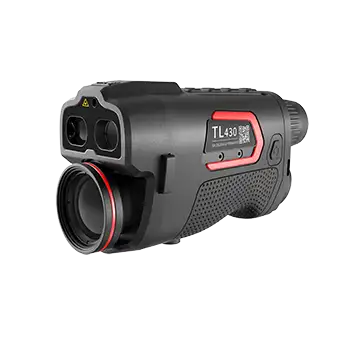


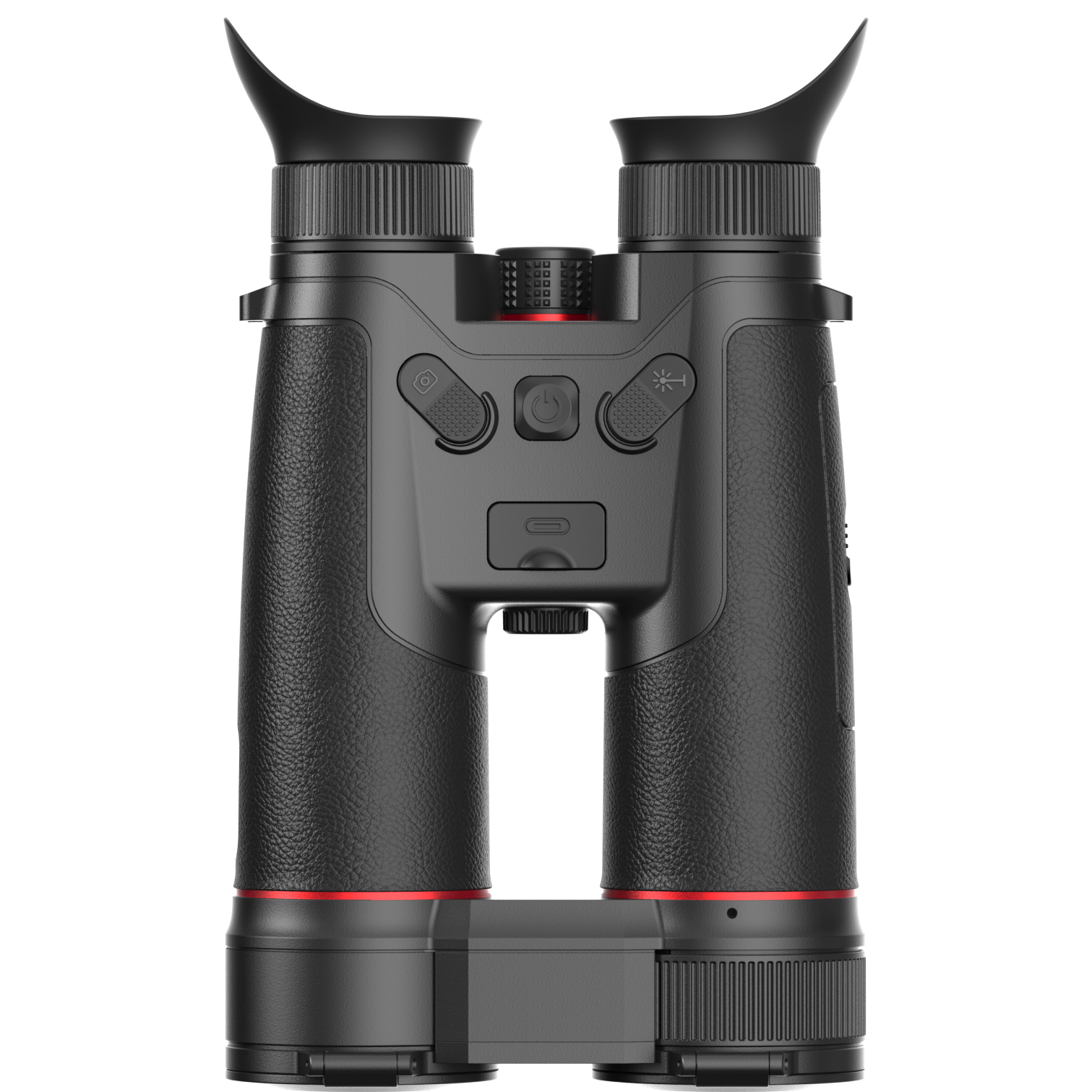
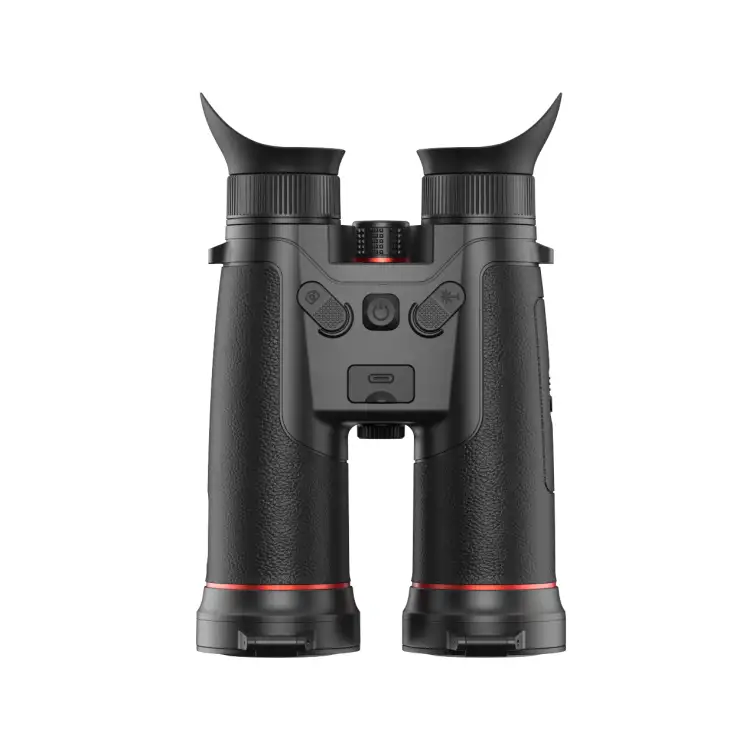
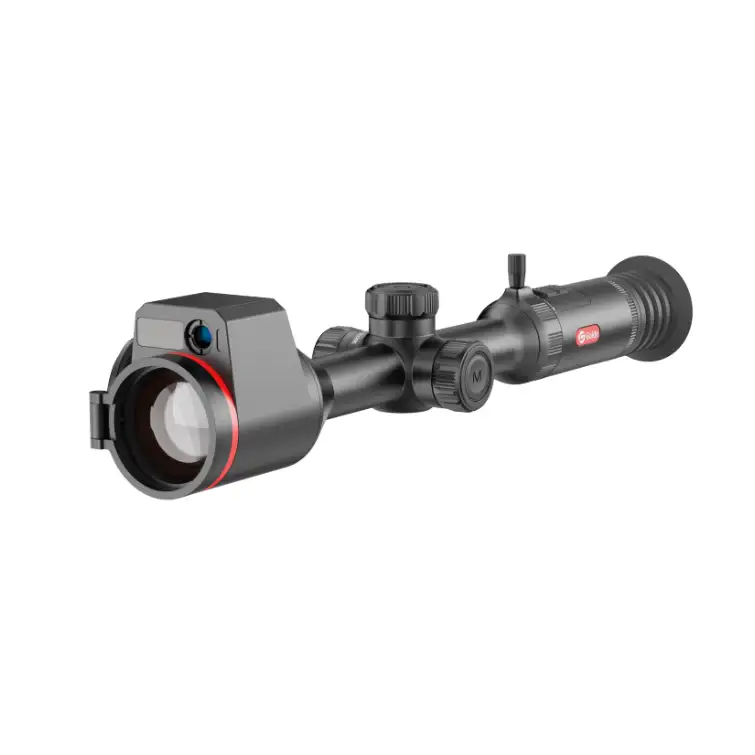
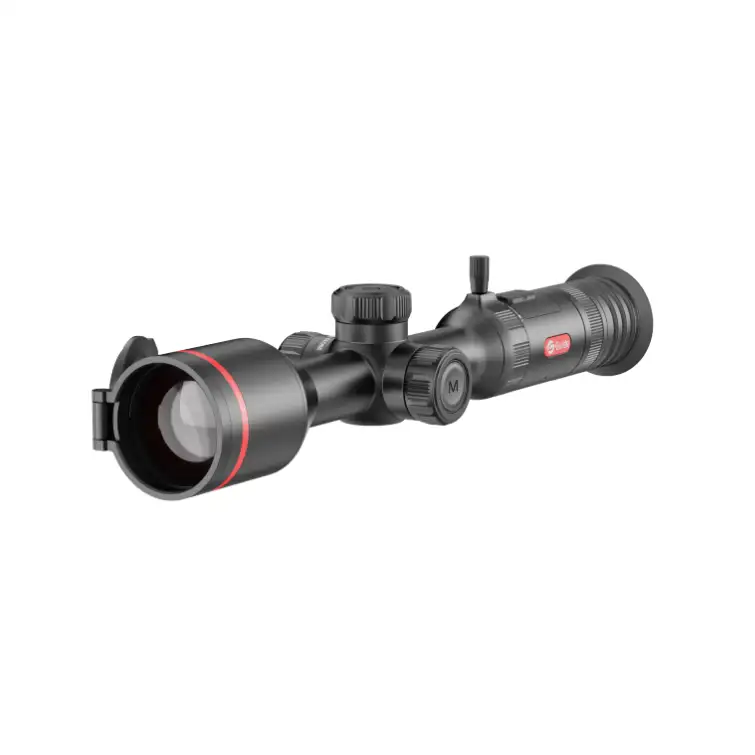
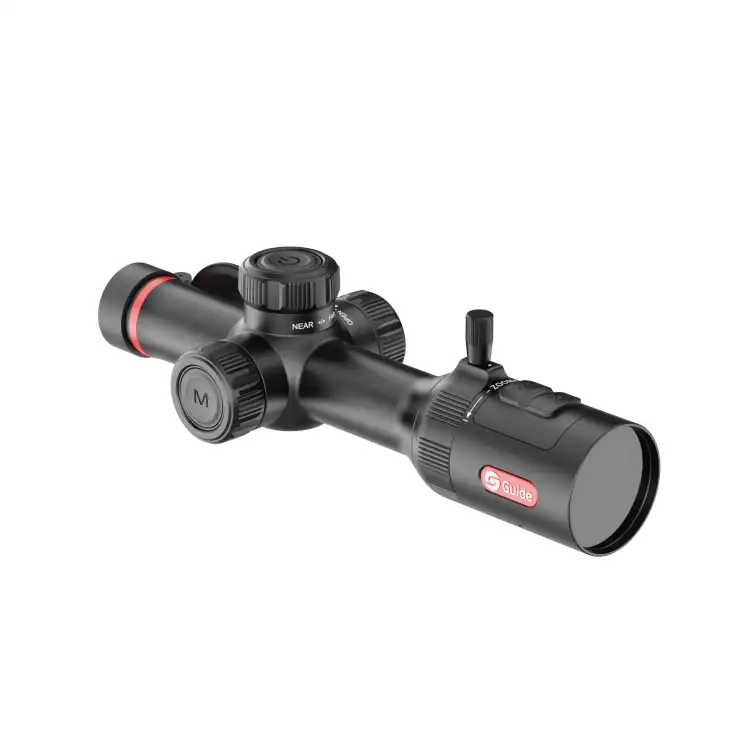
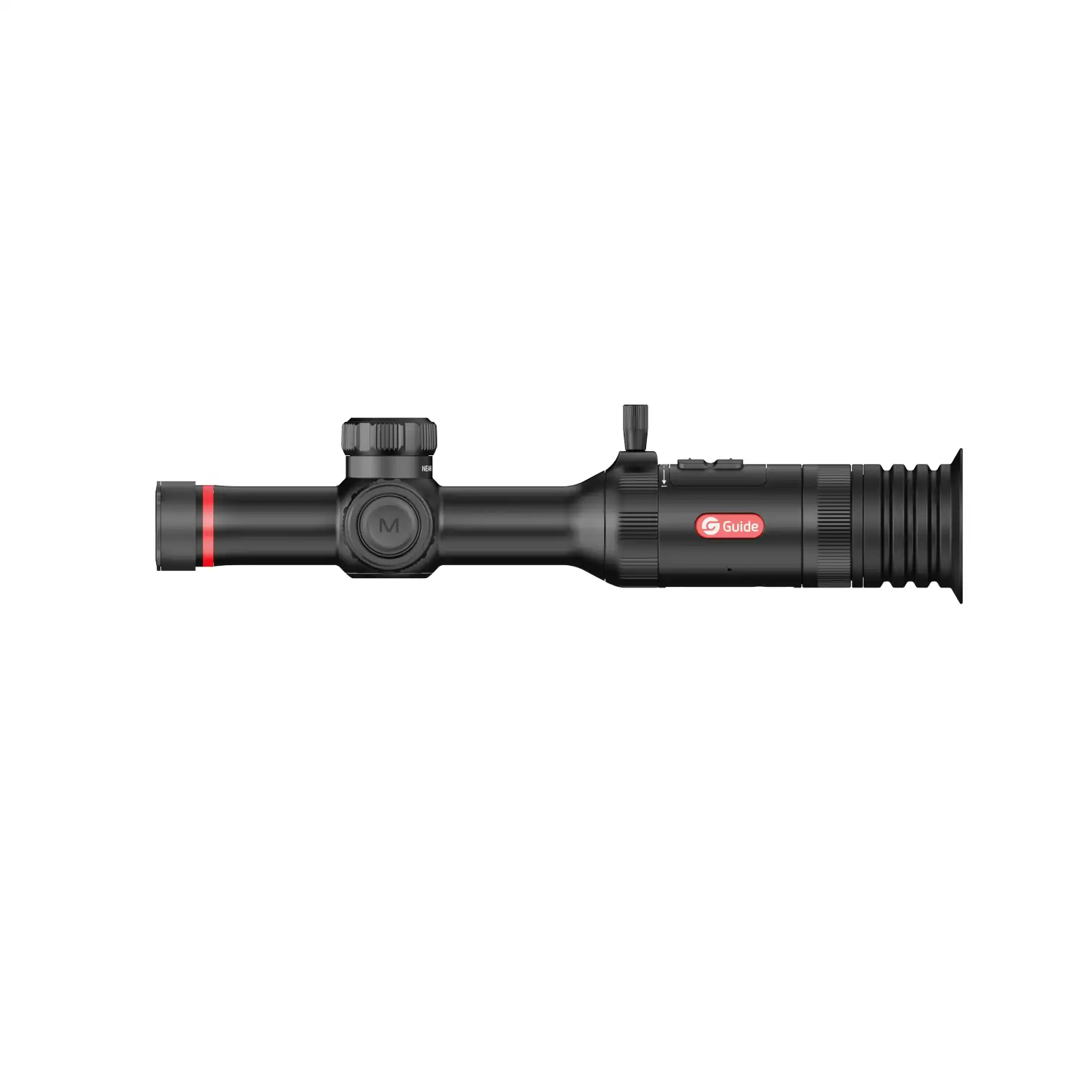
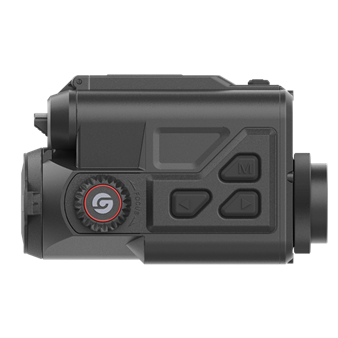
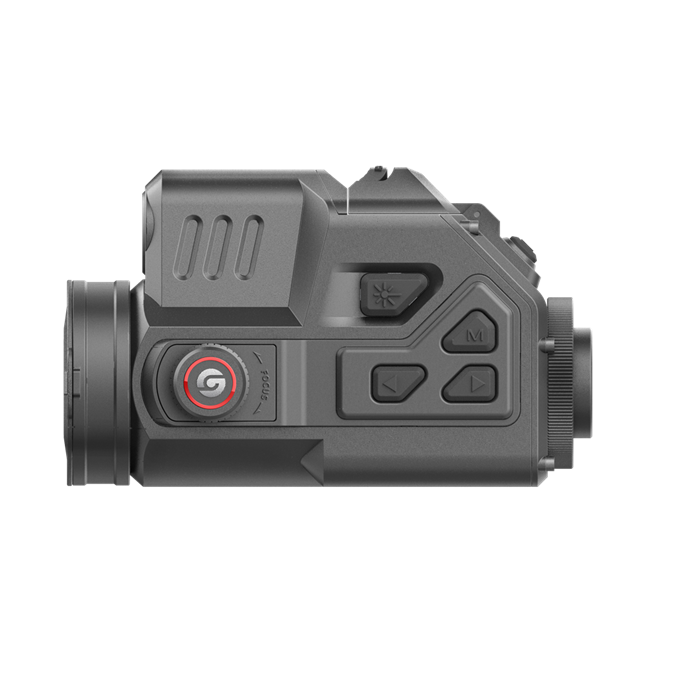
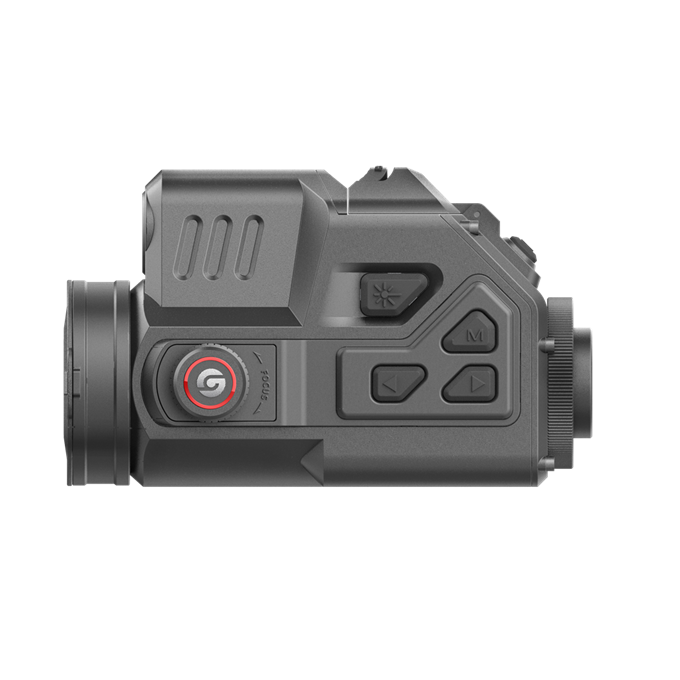
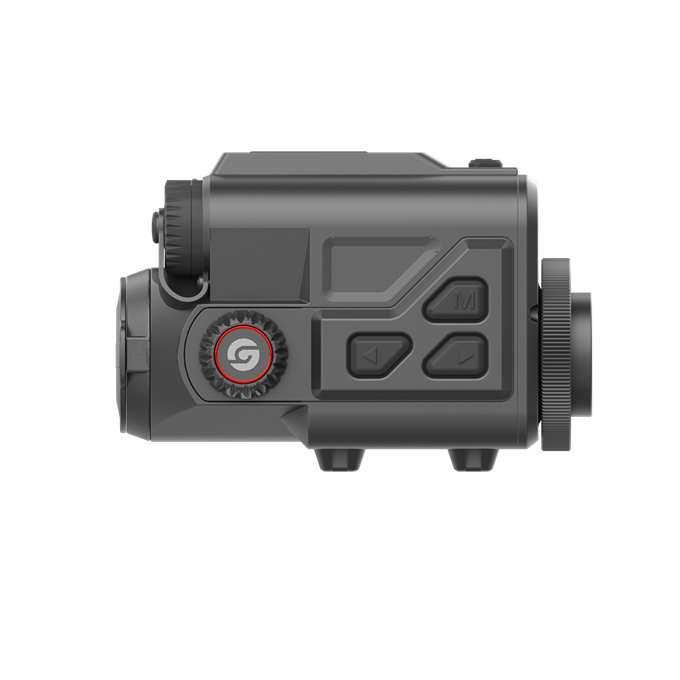



Thermal Monocular: Reduce Missed Targets in Low Visibility
Release Time 2026-05-22

Low visibility is one of the biggest challenges in outdoor environments. Whether amidst the darkness of night, dense fog, thick jungle, or rugged terrain, it is difficult to clearly observe dynamic movements or identify targets using traditional optical equipment.
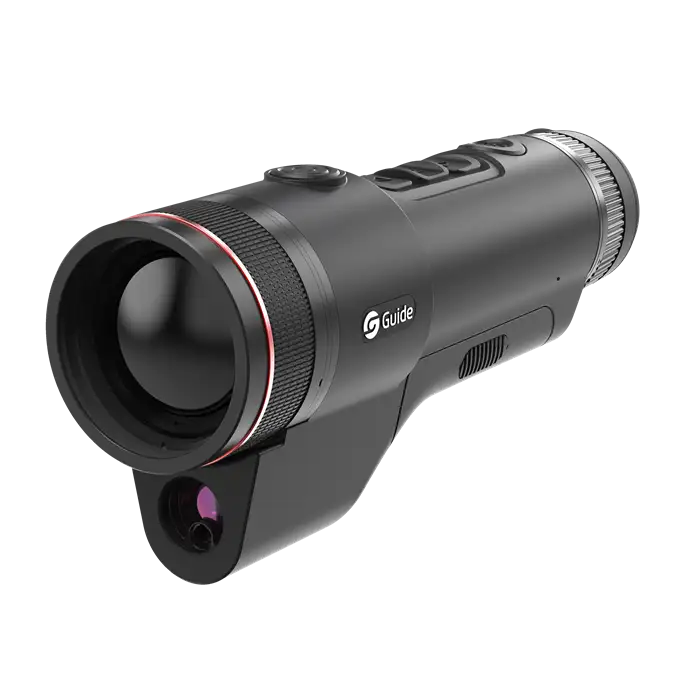
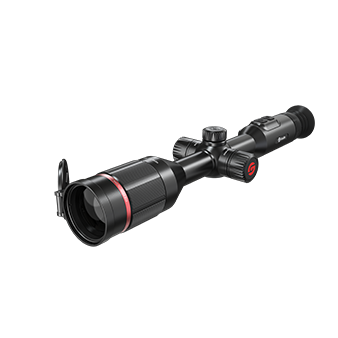
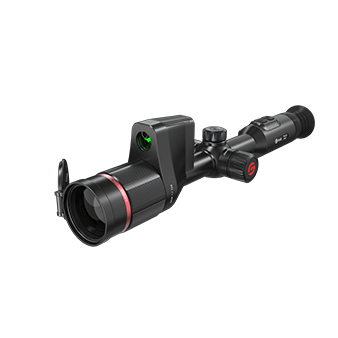
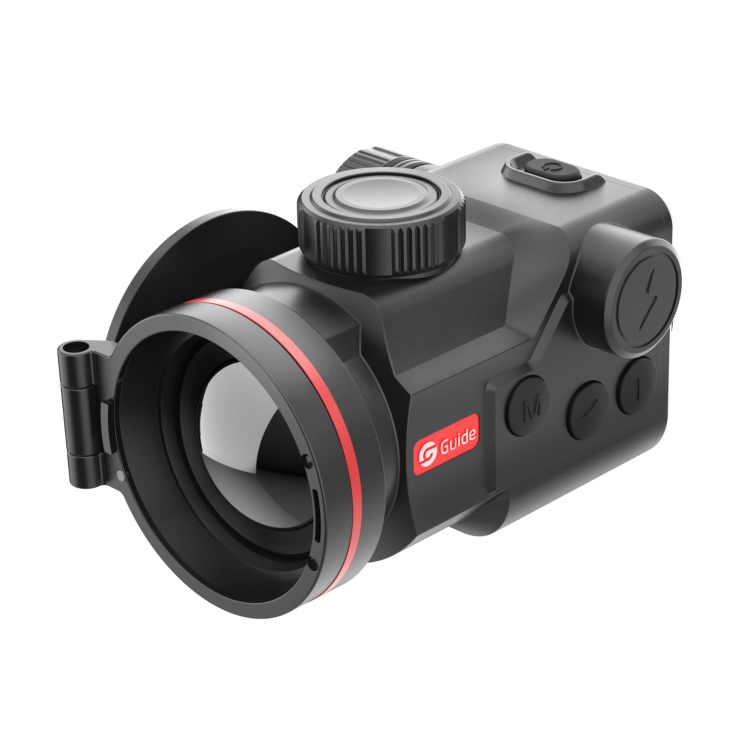
Thermal monoculars offer a practical solution by detecting heat rather than relying on visible light. This allows users to detect animals, people, or moving objects, even in dim environments or when their line of sight is obstructed.
For hunters and outdoor enthusiasts, minimizing missed shots is not merely a matter of superior equipment; rather, it lies in enhancing situational awareness and reaction speed within real-world field environments.
Why Low Visibility Leads to Missed Targets
In low-visibility environments, the visual acuity of the human eye declines rapidly. Darkness reduces contrast, causing objects to blend seamlessly into their background. Even with the help of moonlight and artificial illumination, the details of objects may remain indistinct.
Dense vegetation further exacerbates this issue. Animals or targets move silently through thick brush or complex terrain, making them difficult to clearly detect.
The consequence is that users are unable to notice the activity in time due to the delayed response, or even miss the target completely.
How Thermal Imaging Monoculars Enhance Detection Capabilities
Thermal imaging monoculars work by detecting infrared thermal signals. Every living object emits heat; even when concealed within darkness or vegetation, this heat remains detectable.
What the user sees is not shape or color, but thermal contrast. The warm bodies appear clearly against a cooler background.
This makes it easier to quickly and accurately detect movement.
Faster Response in Field Environments
A key advantage of thermal monoculars lies in their ability to facilitate a faster response.
In low visibility conditions, hesitation often leads to missed opportunities. Users may struggle to determine whether the silhouette before them is a genuine target or merely a movement within the background.
Thermal imaging technology eliminates much of this uncertainty. Once a heat source is detected, it becomes easier to determine what course of action to take.
This helps to improve overall response speed in real-world outdoor environments.
Superior Performance in Dense Terrain
Forests, dense brush, and rugged terrain create visual obstructions that make it hard for traditional optical equipment to overcome.
Animals usually remain partially concealed behind vegetation or move through narrow gaps, thereby making it difficult to capture them clearly.
Thermal imaging monoculars can help overcome this limitation, highlighting thermal signatures even when objects are partially obscured.
This enhances detection reliability in complex environments.
Suitable for Both Short-range and Long-range Scanning
Thermal imaging monoculars are not limited to a single range of detection.
At close range, they help users quickly detect movement within dense cover; at longer distances, they aid in scanning vast open terrain to search for heat signatures.
This versatility makes them suitable for a wide array of outdoor scenarios, particularly in conditions where visibility is subject to rapid fluctuations.
Reducing Eye Fatigue During Prolonged Observation
Performing prolonged observations in low light environments often leads to eye fatigue, particularly when attempting to discern minute or indistinct details.
Thermal imaging technology simplifies the visual information presented to the user. Rather than having to process complex visual details, users can focus solely on thermal contrasts.
This helps alleviate mental strain and enables users to maintain a high level of alertness during extended outdoor observation tasks.
Make Decisions with Greater Confidence
Uncertainty is always a problem in low visibility areas. Without clear visual confirmation, users often hesitate and may even miss out on opportunities.
Thermal hunting monoculars provide clearer information through thermal detection technology, giving users more confidence in what they see regarding the objects under observation.
This facilitates the making of more precise decisions during field operations.
Practical Outdoor Applications
Thermal monoculars serve an important role in a wide range of practical outdoor scenarios:
l Night hunting
l Wildlife observation
l Dynamic tracking in forested environments
l Terrain scanning in low-visibility conditions
l General outdoor exploration in dark settings
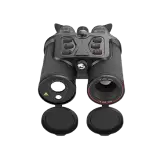
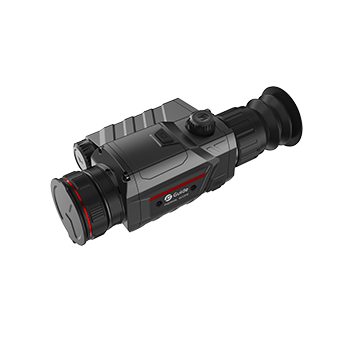
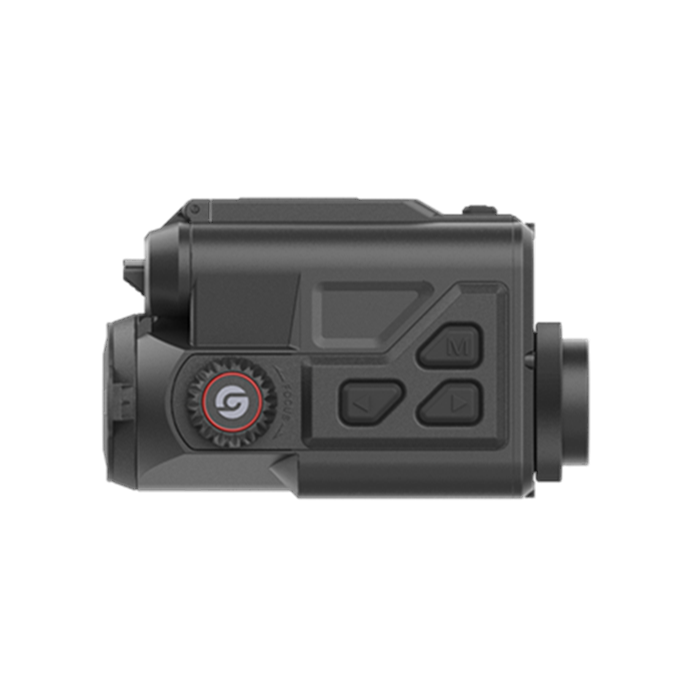
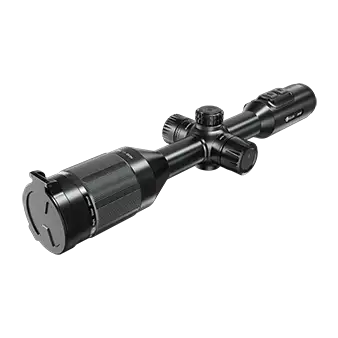
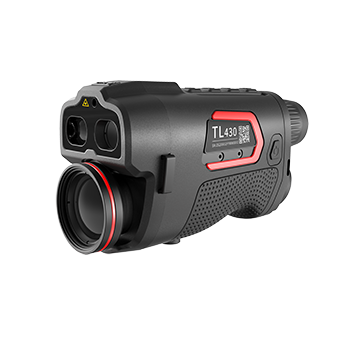
Thanks to their compact and portable design, users can easily carry and utilize them whenever enhanced visibility is required.
Conclusion
In low-visibility environments, a thermal imaging monocular serves as an effective tool for significantly reducing the likelihood of missing targets. By detecting thermal radiation rather than relying on visible light, it substantially enhances detection speed, accuracy, and overall situational awareness.
Whether in dense jungles, pitch-black darkness, heavy fog, or rugged and complex terrain, this device enables users to more reliably identify activity and make swifter decisions.
For outdoor enthusiasts seeking improved visibility and wishing to minimize missed opportunities, a thermal imaging monocular undoubtedly represents a solution that is both practical and highly valuable.