



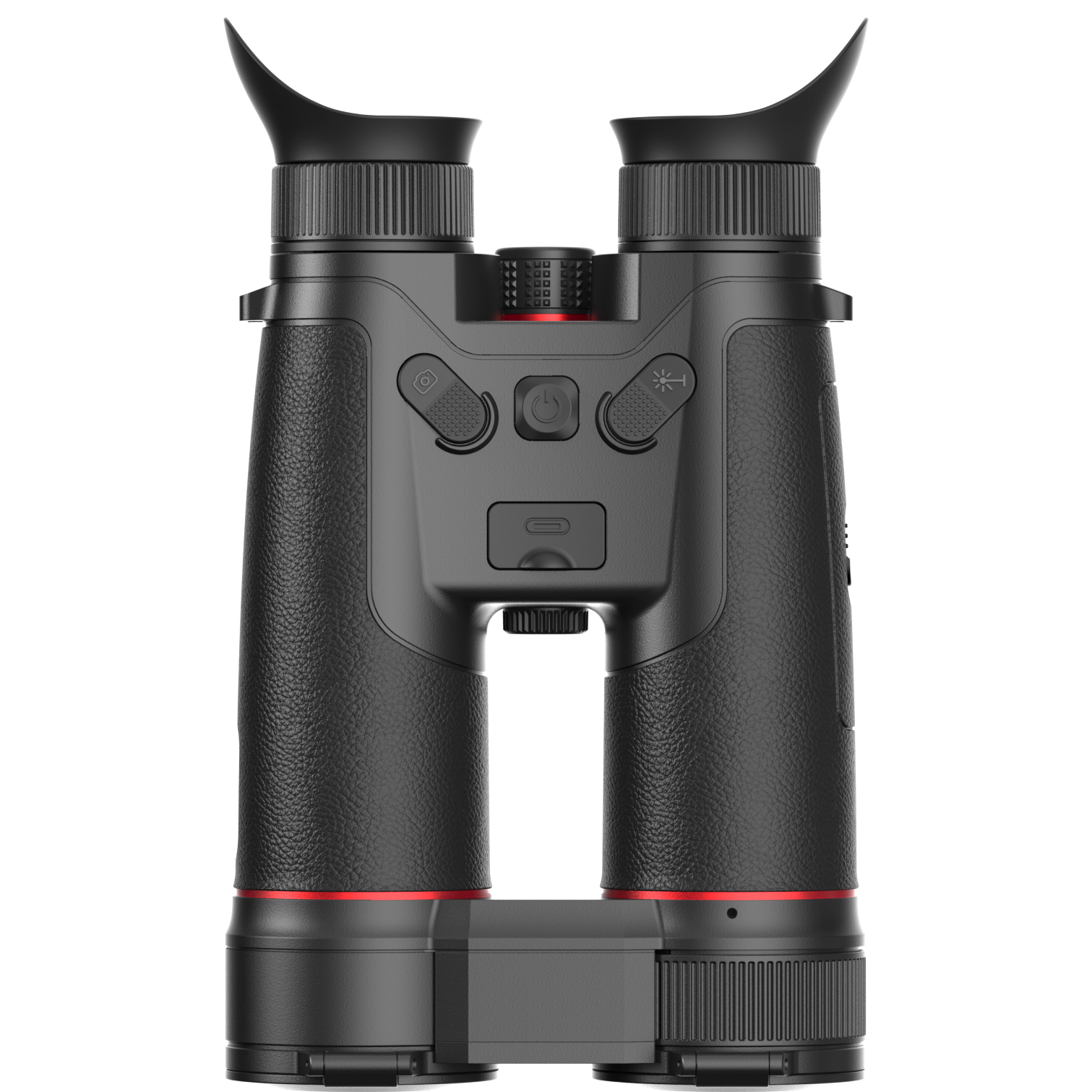
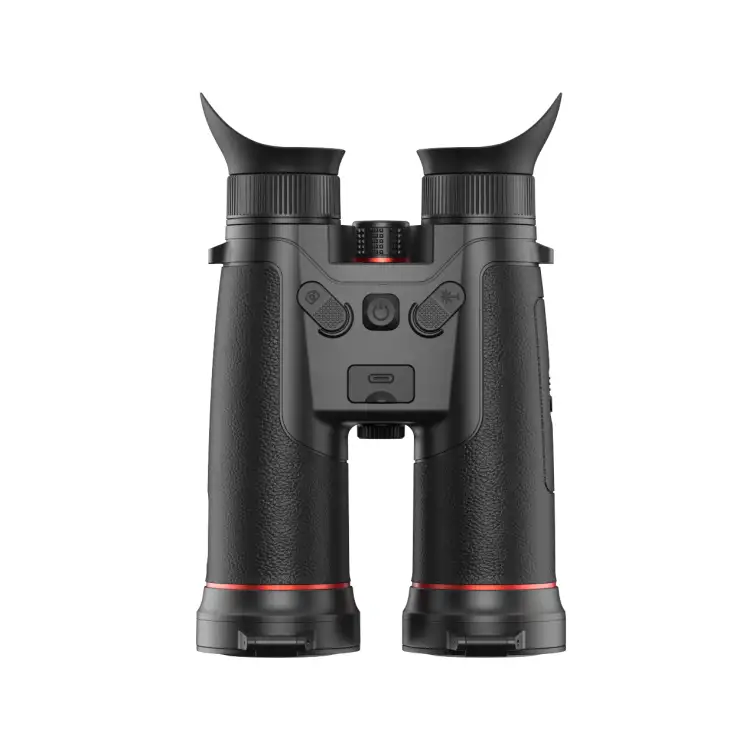
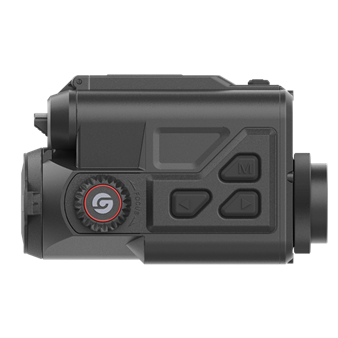
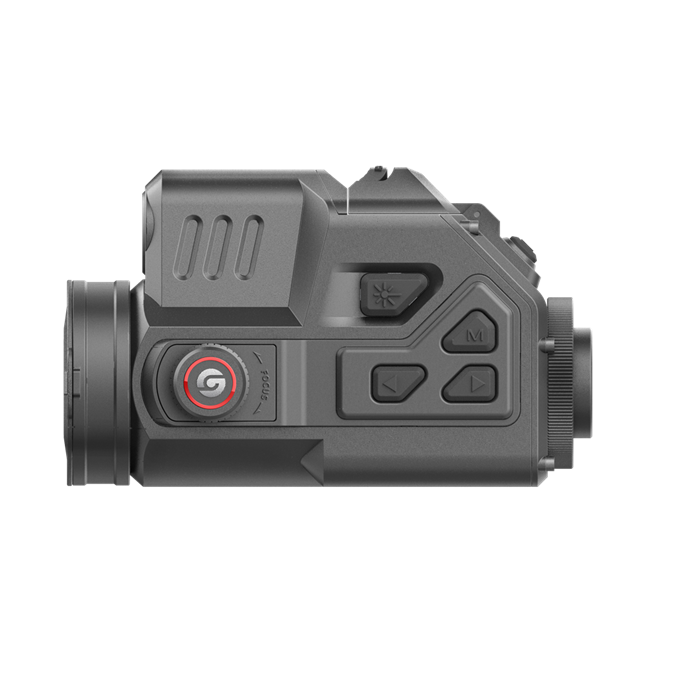
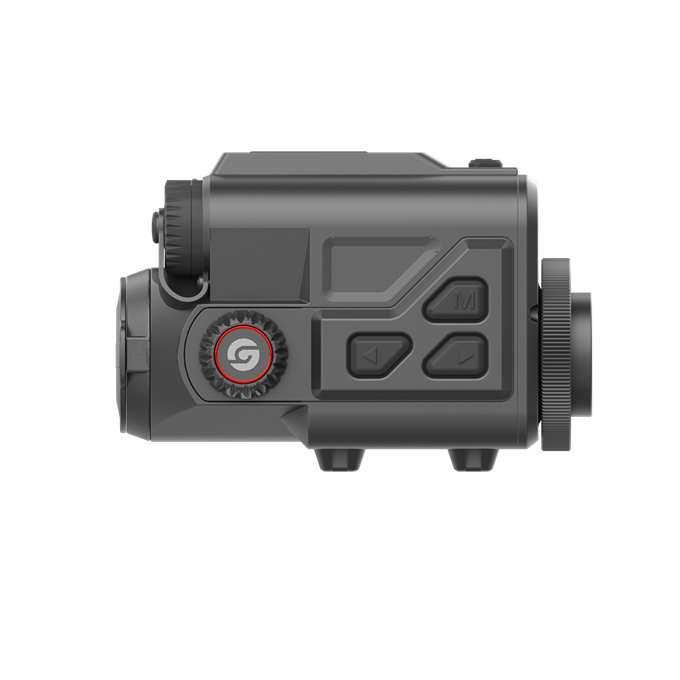



Thermal Imaging Attachment for Users Who Need Fast Field Decisions
Release Time 2026-05-22

In outdoor environments, rapid decision-making is often critical. Whether scanning open terrain, navigating dense undergrowth, or observing activity at night, delays in detection can reduce efficiency and compromise situational awareness.
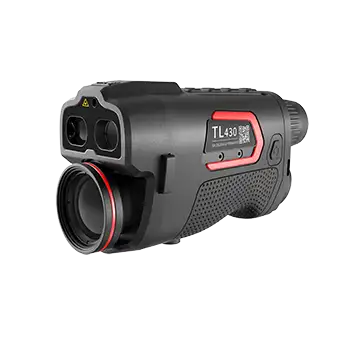
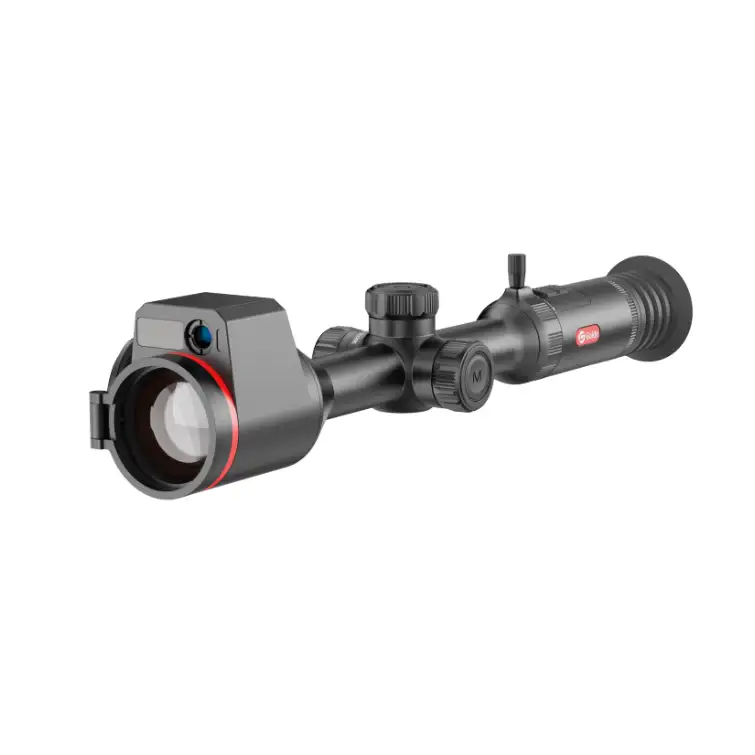
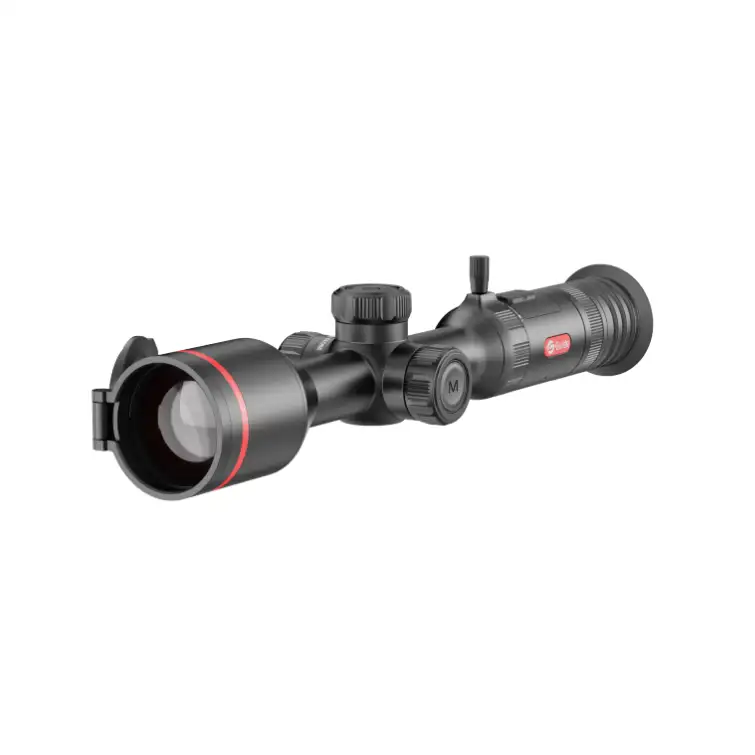
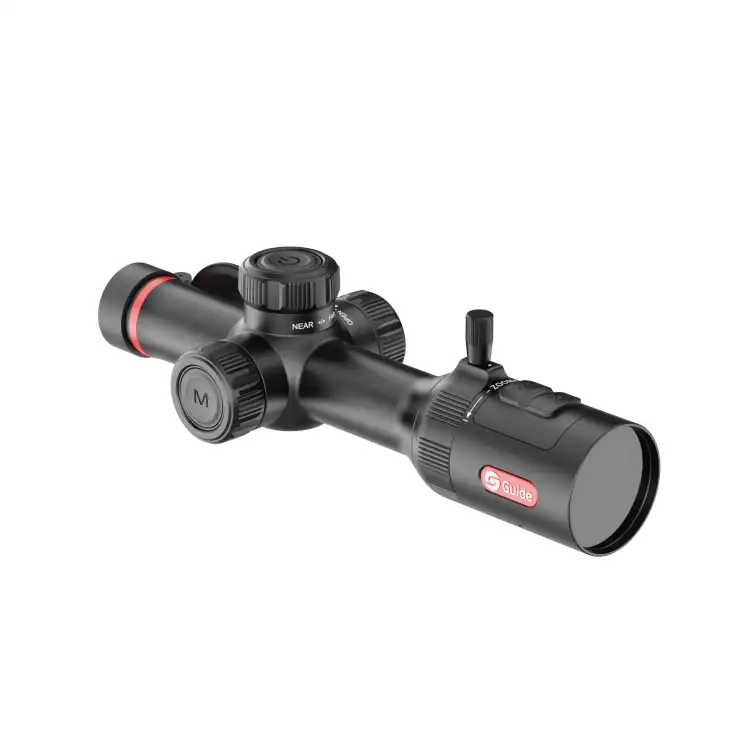
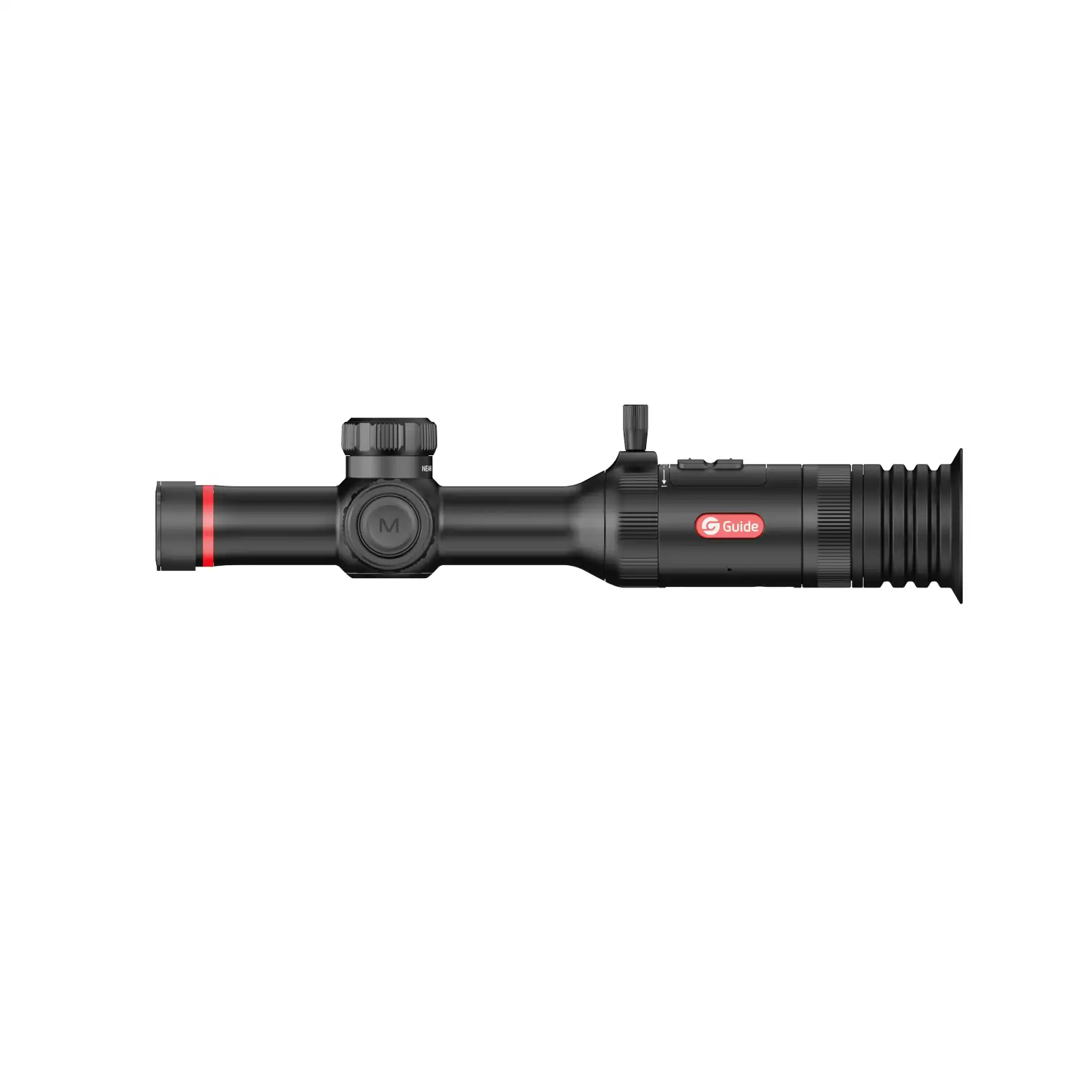
This is why many outdoor users have begun to use thermal imaging attachments. These gadgets enable users to rapidly identify thermal signatures, even in low-light or completely dark conditions. Thermal imaging technology no longer relies solely on visible light; instead, it functions by detecting heat, thereby making targets easier to locate in harsh environments.
For those who need to make rapid decisions in the field, thermal imaging attachments offer speed, flexibility, and practical performance without adding unnecessary complexity.
Rapid Detection Under Low Visibility Conditions
Low visibility is the biggest challenge that users face in the outdoors. Darkness, thick fog, shadows, and dense vegetation can all render normal observation difficult.
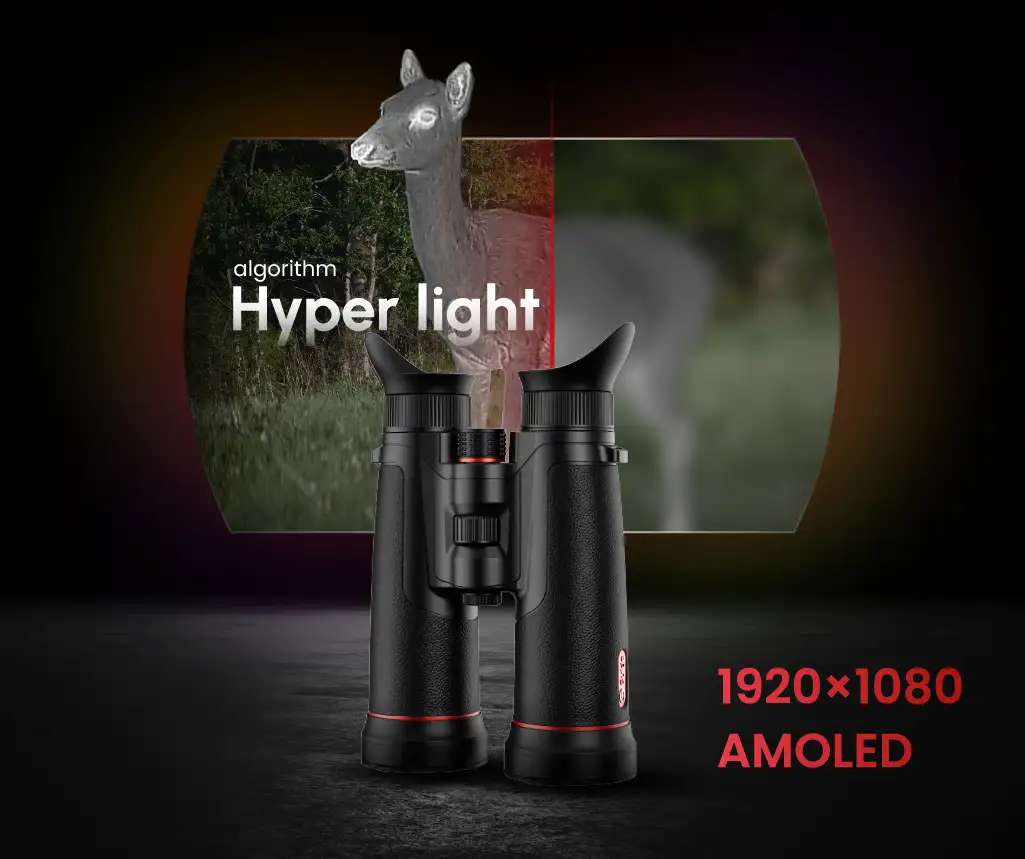
Thermal imaging attachments assist in solving this challenge by highlighting thermal signatures against cooler backgrounds. Animals, people, and moving objects become easier to detect, even when they are partially concealed.
This helps users to spot activity more quickly and react with greater speed in rapidly evolving situations.
For those working in the field, faster detection often translates into the ability to make more informed decisions.
Quick Setup Without Replacing Existing Optics
A major advantage of thermal attachments lies in their convenience.
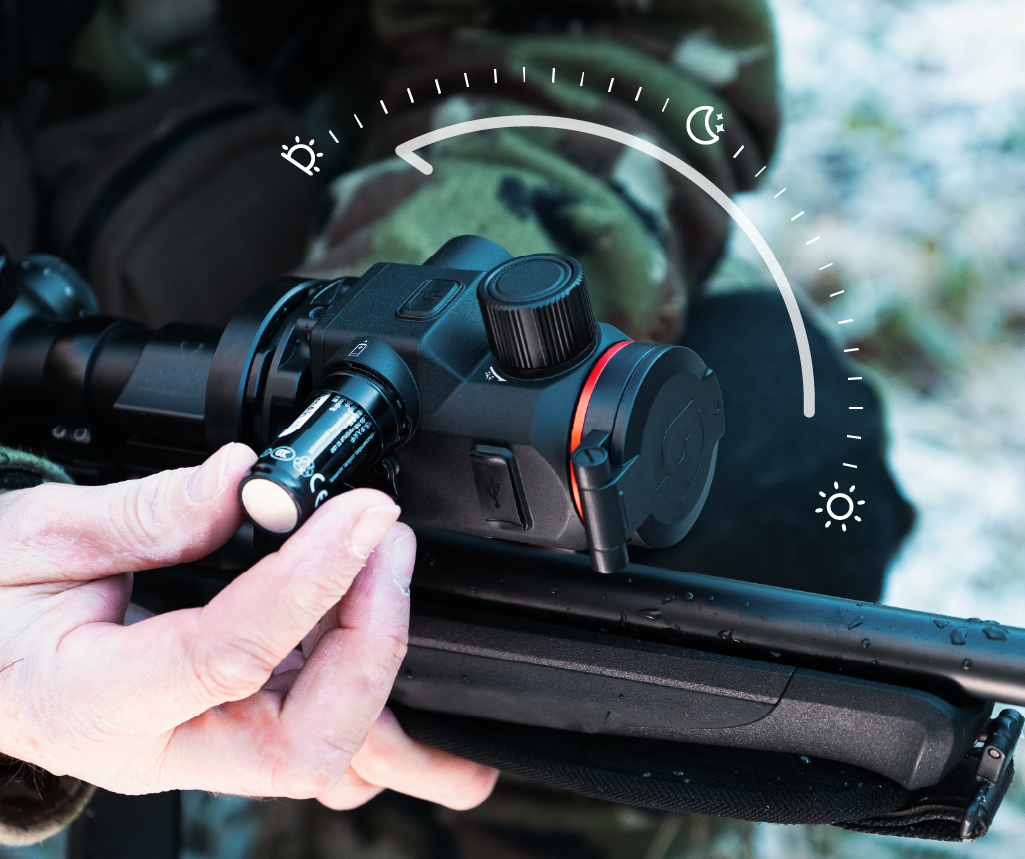
Users do not need to change their entire optical system; the attachment works seamlessly with existing equipment. This allows users to add thermal imaging capabilities while continuing to utilize the scopes or optical devices they are already familiar with.
This reduces adjustment time, allowing users to focus on their surroundings without having to learn a completely new set of settings.
In the rapidly changing outdoor environment, simple gear is often the most effective.
Enhanced Visibility for Nighttime Operations
Nighttime environments impose severe limitations on visibility.
While traditional optical equipment depends heavily on ambient light, thermal imaging technology operates by detecting heat. This ensures users maintain effective observation capabilities even after sunset or in conditions of total darkness.
Thermal attachments improve situational awareness by assisting users in rapidly identifying heat sources in open terrain, brush, or wooded areas.
When visibility is reduced, thermal imaging technology helps maintain situational awareness.
Faster Response to Moving Targets
Outdoor environments are constantly changing. Moving targets often remain visible for only a few seconds before disappearing behind objects or terrain.
With thermal imaging attachments, users can react more quickly, as thermal signatures stand out far more prominently within a thermal field of view compared to traditional optical devices.
Rather than wasting precious time on visual scanning, users can direct their attention immediately to the specific area where a heat source has been detected.
This not only improves efficiency but also effectively minimizes hesitation during critical moments.
Suitable for Mobile Outdoor Applications
Many outdoor users prefer lightweight and portable equipment.
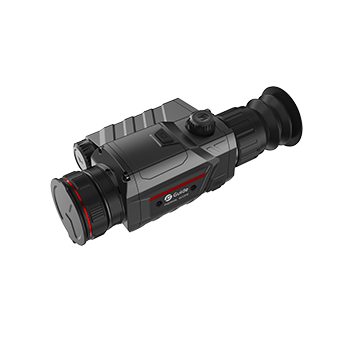
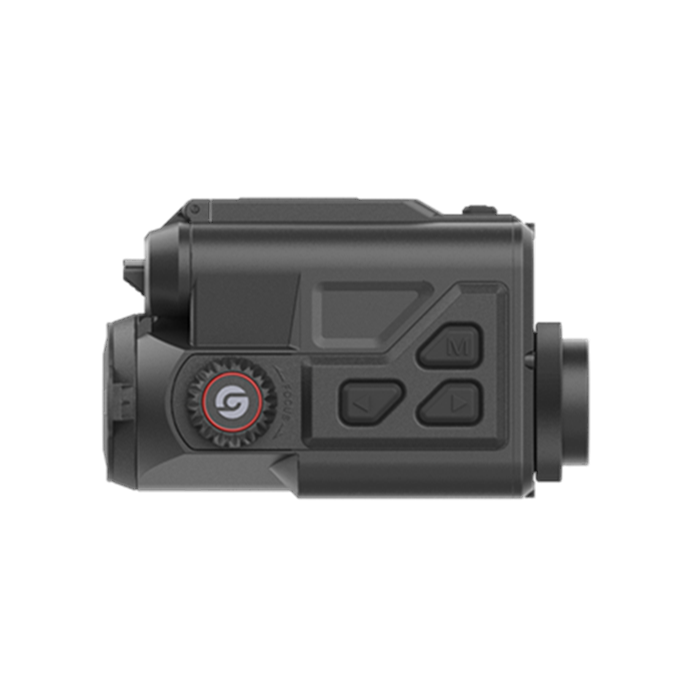
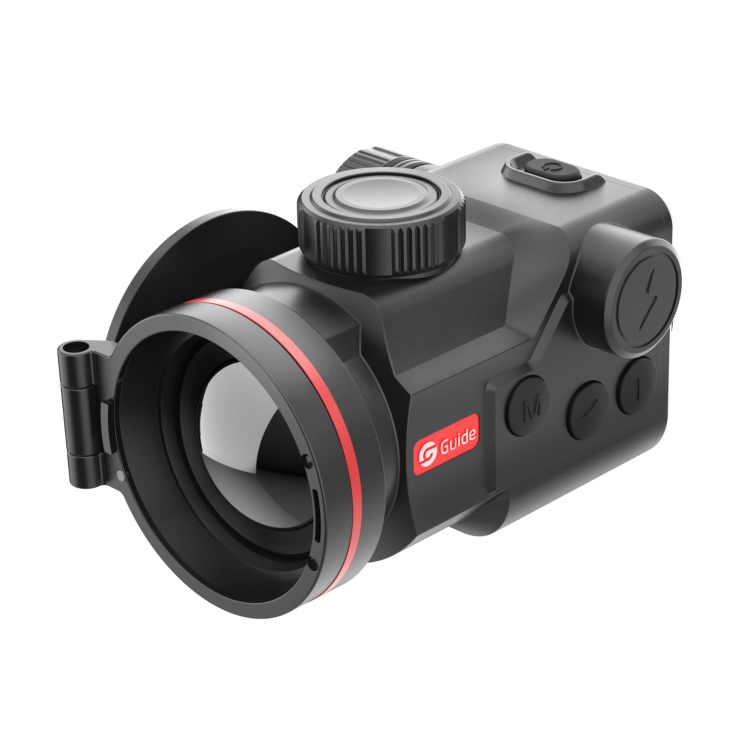
Thermal clip-ons are designed to add thermal imaging capabilities to a device without having to carry any additional equipment. Their compact design makes them particularly practical when traversing fields, trails, forests, and rugged terrain.
Users can not only reduce the overall burden of the gear they carry but also switch rapidly between scanning and observation modes.
For those who need to cover extensive ground across vast outdoor areas, equipment mobility becomes very crucial.
Suitable for Complex Outdoor Environments
Real-world outdoor environments are rarely perfect.
Dense fog, humidity, thick undergrowth, shadows, and rugged terrain can all impair visibility. In such scenarios, especially after dark, traditional optical devices often prove inadequate.
Thermal imaging attachments help maintain a clear field of view because they capture thermal signatures rather than relying solely on visible light.
This is why thermal imaging equipment can be extremely useful when conventional observation methods become difficult.
Reducing Uncertainty in Field Environments
When visibility is poor, making rapid decisions outdoors becomes significantly more challenging.
Users may hear sounds or perceive silhouettes, yet be unable to clearly identify them. Thermal imaging technology assists in reducing this uncertainty by providing clear imagery based on thermal signatures.
This enables users to confirm activity more quickly and make decisions with greater confidence.
Clearer information often translates into superior performance in real-world field operations.
Increase Efficiency Without Complicated Technology
Many outdoor technology gadgets can feel overly cumbersome, especially in actual outdoor environments.
Thermal attachments owe their widespread popularity precisely to their ability to effectively enhance visual clarity without forcing users to completely alter their existing operational habits.
Once installed, the system operates in conjunction with existing optical equipment, thereby streamlining the process of nighttime observation.
For many users, this balance struck between performance and simplicity undoubtedly represents a significant advantage.
Conclusion
For individuals who have to make quick decisions in harsh outdoor environments, thermal imaging attachments serve as an exceptionally practical tool.
By enhancing visual clarity, highlighting thermal signatures, and reducing detection times, these devices enable users to react more swiftly and maintain heightened situational awareness in low-light and nighttime conditions.
Thanks to their quick installation, lightweight portability, and reliable thermal imaging capabilities, thermal imaging attachments have become an increasingly vital solution in the fields of modern outdoor observation and field operations.