

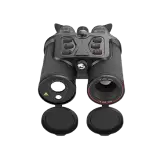
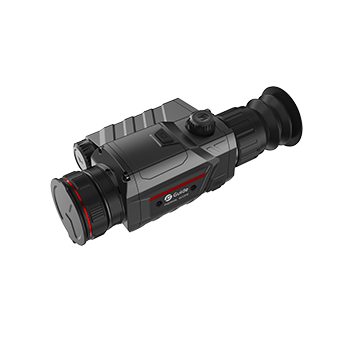
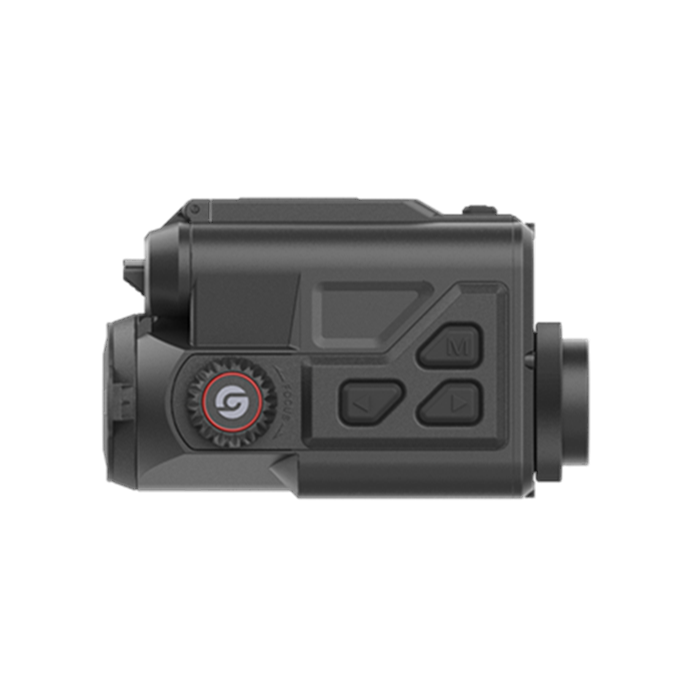
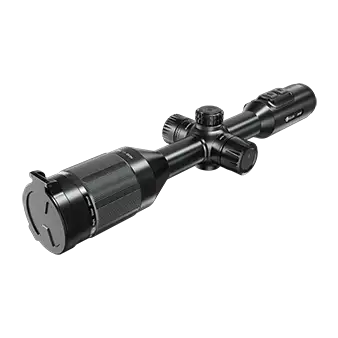
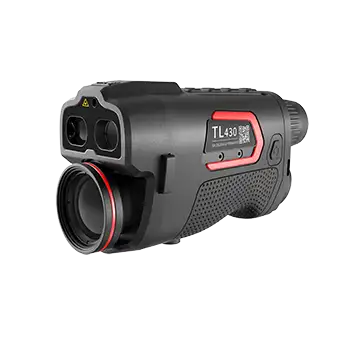


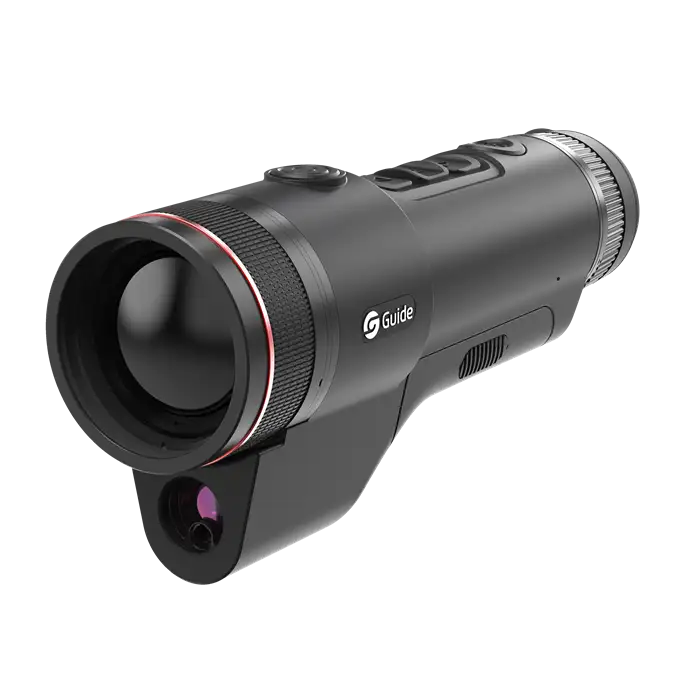
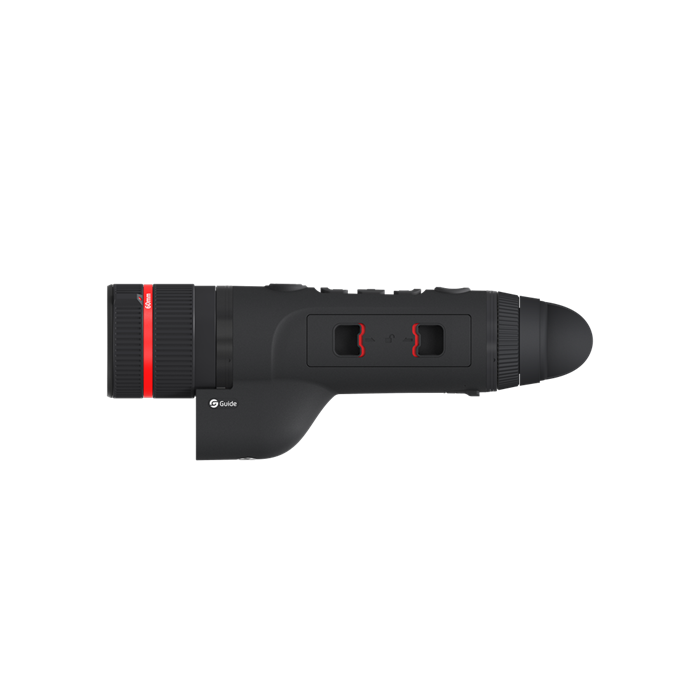
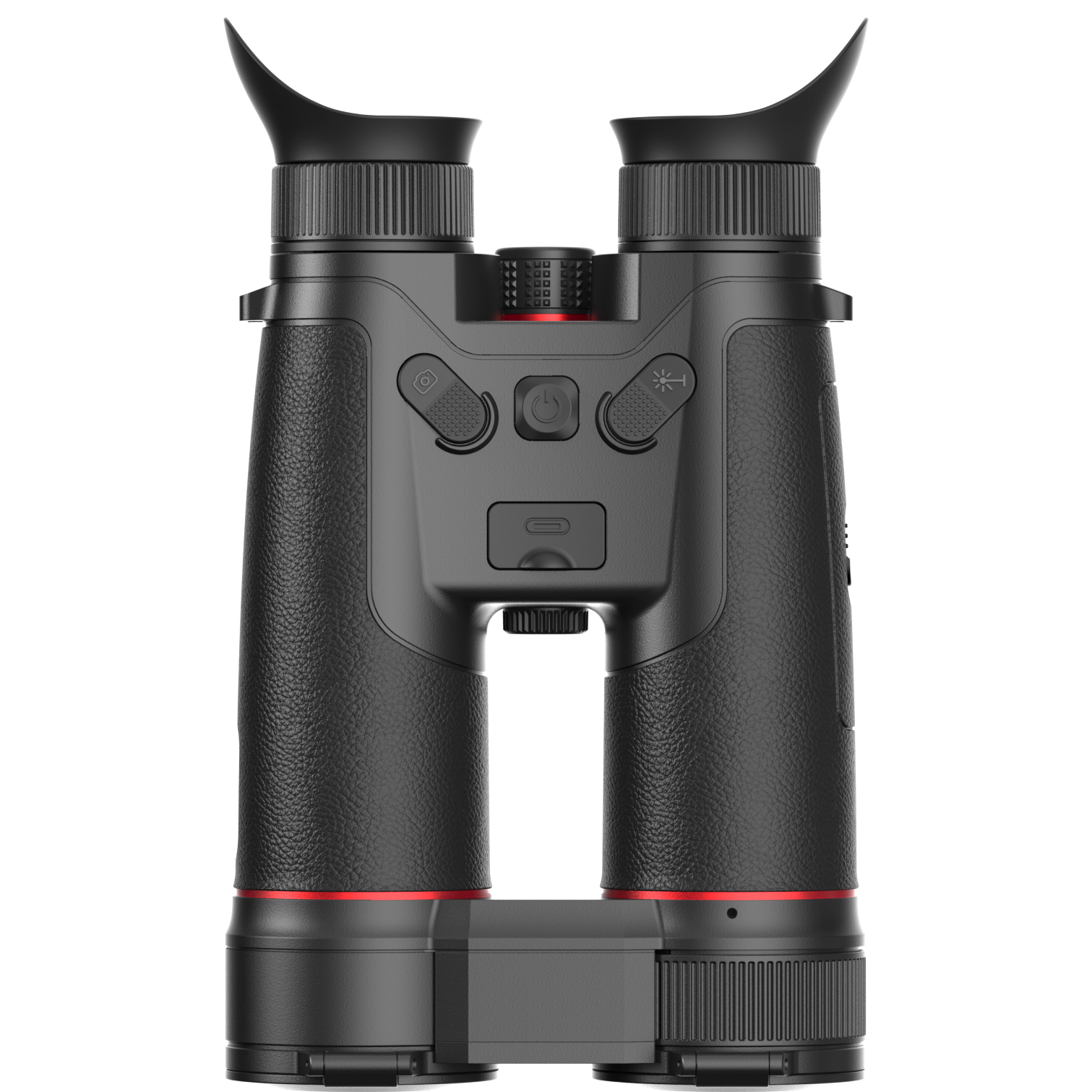
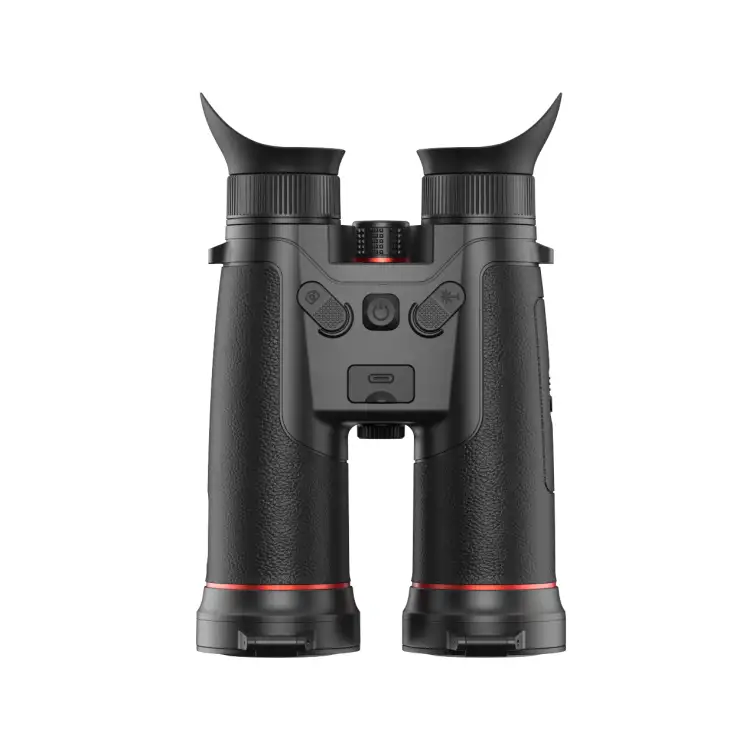
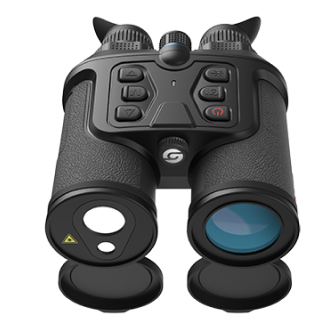
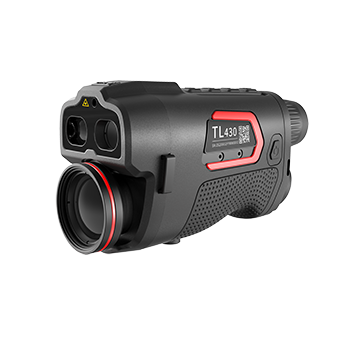


Choosing Thermal Binoculars for Different Hunting Environments
Release Time 2026-06-27

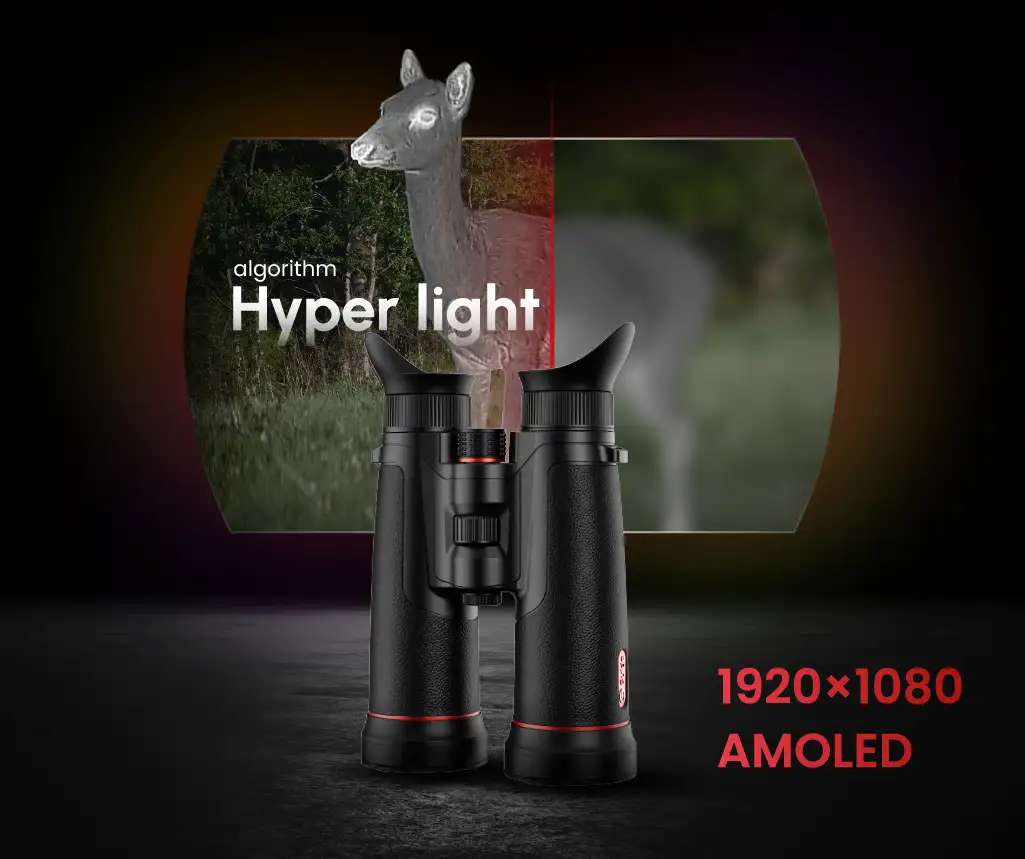
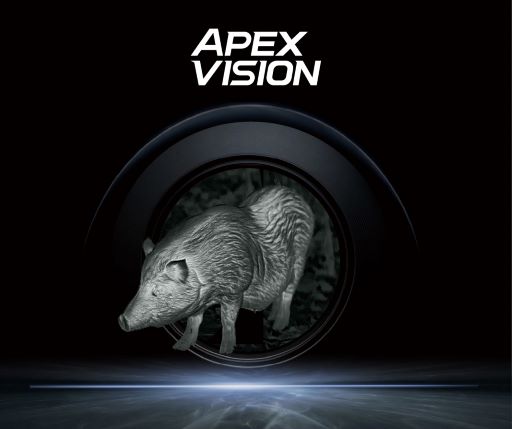
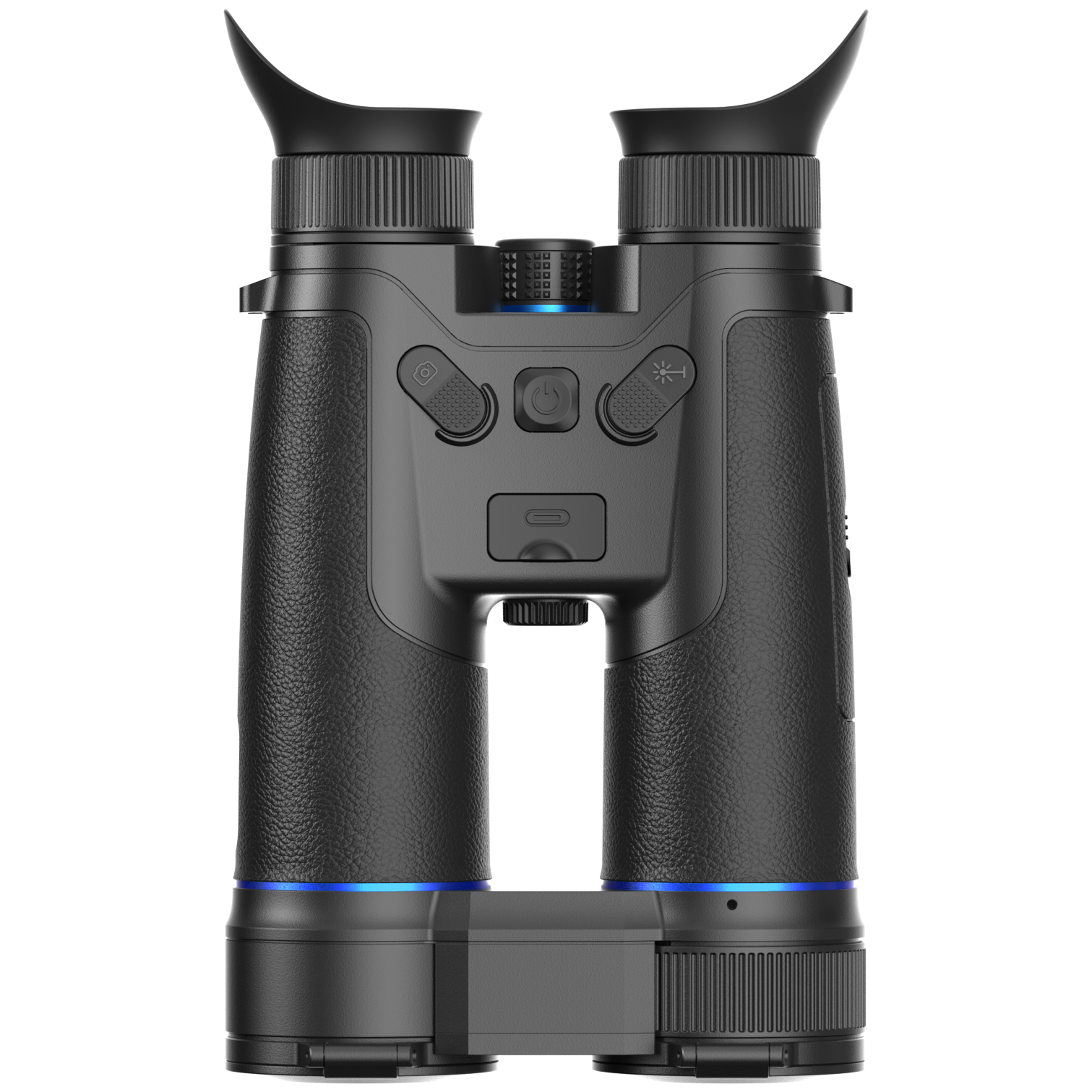
Thermal binoculars have become essential tools for modern hunting. They enable hunters to detect heat signatures in darkness, low-light conditions, and areas where animals are hard to spot with traditional optical equipment. However, not every model performs equally well across all hunting environments.
The requirements of a hunter scanning for game at long range across open farmland differ vastly from those of someone navigating through forests, thickets, or rolling hills. Choosing the right thermal binoculars depends on understanding your primary hunting environment and identifying which features are essential for that setting.
Why the Hunting Environment Matters
Thermal imaging binoculars are not one-size-fits-all devices.
The hunting environment dictates the required detection range, field of view, image clarity, and the ease of carrying the equipment over extended periods. A device that excels in open terrain may not be suitable for dense forests, while a compact model designed for close-range observation might not be the right choice for vast, open fields.
That is why the first step in selecting thermal imaging binoculars is to consider the environment where you usually hunt.
Thermal Imaging Binoculars for Hunting in Open Terrain and Farmland
If you frequently hunt in open fields, crop areas, or vast meadows, long-range observation capabilities are essential.
In such conditions, game may be located hundreds of yards away, making thermal imaging binoculars with excellent detection range highly advantageous. High-quality thermal imaging binoculars for hunting are especially valuable when scanning large open areas, since you often need to scan expansive areas for extended periods and identify movement at a distance. At the same time, the field of view should not be too narrow. This balanced configuration allows for a wide field of view without excessively compromising long-range observation performance.
For those hunting in open terrain, the goal is typically to detect the game early and track its movements, then wait for the right moment to take up a favorable position.
Thermal Binoculars for Forest Hunting
Environmental conditions for hunting in forest areas are distinctively different.
In densely wooded areas, the field of view is relatively restricted, and animals may suddenly appear amidst trees, undergrowth, or thick vegetation. In such environments, a wide field of view is often more practical than an extremely long detection range. This enables hunters to quickly scan their surroundings and track the movement of animals as they pass through narrow gaps in the forest.
Lightweight and compact thermal binoculars are ideal for hunting in forests, as hunters often need to walk for extended periods and require gear that is comfortable to carry.
In areas with dense vegetation, scanning speed and ease of use are often more important than maximum detection range.
Thermal Binoculars for Scrub, Hills, and Mixed Terrain
Many hunting grounds are neither entirely open nor completely wooded. Environments consisting of scrub, rolling hills, and mixed terrain often require a more versatile equipment setup.
In such settings, a hunter might be scanning open ground one moment and observing dense vegetation the next. Therefore, thermal binoculars that balance detection range, field of view, and portability are often the ideal choice.
User comfort is also especially important in these environments.If you need to hike across ridges or frequently change your vantage point, heavy equipment can quickly lead to fatigue. In challenging terrain, it is particularly important to use thermal binoculars that strike a practical balance between performance and operability.
Experienced hunters often choose different thermal binocular configurations depending on the terrain. While long-range detection is valuable in open farmland, many experienced users prefer a wider field of view in forests because animals often appear suddenly between trees. Rather than focusing solely on maximum specifications, experienced users tend to select equipment that best matches the environments they hunt most often.
Hunting in Humid, Foggy, or Wet Conditions
Weather and environmental conditions often affect one another.
When hunting in marshes, damp farmlands, or areas with heavy morning moisture, image clarity may not match that of cold, dry nights. In such environments, reliable image quality and a comfortable viewing experience are particularly important.
When hunting in humid environments, hunters should pay attention to the clarity with which thermal hunting binoculars display thermal signatures in adverse weather. A device that maintains consistent performance under conditions of poor visibility can often play a crucial role in the actual hunt.
Think About Weight and Carrying Comfort
Regardless of where you hunt, your thermal hunting binoculars should suit your style of activity in the field.
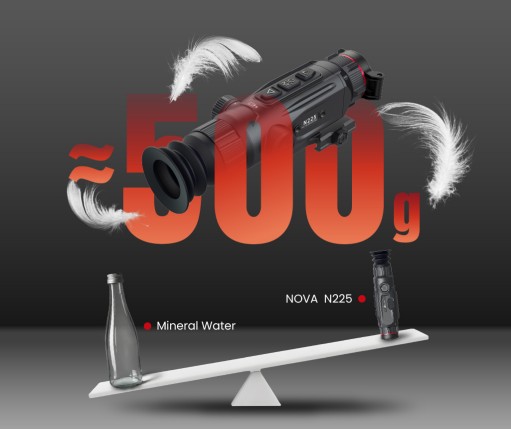
If you usually remain in a single hide or observe from a fixed position, a bulkier pair of binoculars might be acceptable; however, if you need to hike long distances, stalk through dense brush, or move frequently between observation points, weight becomes an important factor.
Binoculars that are comfortable to carry are easier to use for extended periods, which often leads to better observation results.
Choosing the Right Equipment Based on Your Hunting Style
When choosing the best thermal imaging binoculars, you should look beyond mere technical specifications; the device must also align with your hunting environment and style.
If you focus on long-range scanning in open terrain, prioritize detection range and image detail. If you hunt in forests or areas with dense vegetation, prioritize field of view, portability, and convenience. If you need to navigate complex or varied terrain, opt for a model that offers a balanced performance across diverse scenarios.
Choosing equipment based on your actual hunting needs is far more practical than simply chasing the highest specifications on paper.
Conclusion
When selecting thermal imaging binoculars for hunting, the first step is to understand your hunting environment. Choosing the right thermal binoculars is about more than comparing specifications. By matching your thermal imaging binoculars to your typical hunting environment, observation distance, and carrying requirements, you can improve target detection, increase hunting efficiency, and enjoy a better overall field experience. Open farmlands, dense forests, scrubby terrain, and humid conditions with low visibility all place different demands on the equipment.
The right device should align with your typical observation distances, the hunting terrain, and the weight of gear you can comfortably carry. Choosing a model suited to actual hunting conditions not only improves target detection and observation efficiency but also helps you make more informed decisions in the field.