

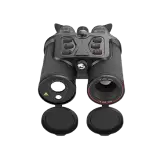
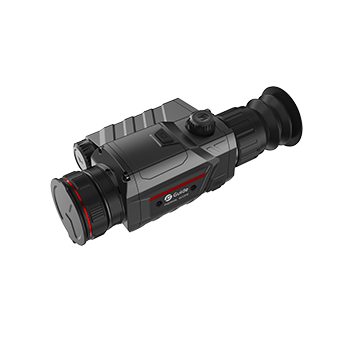
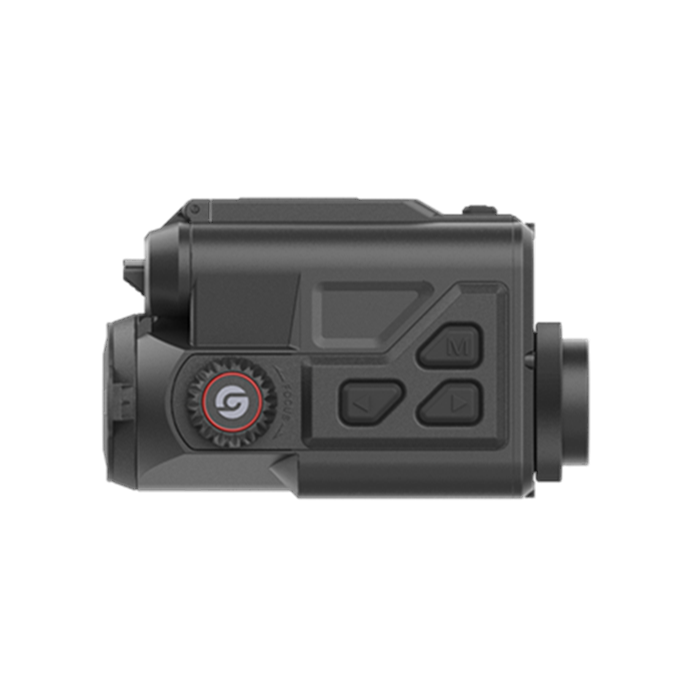
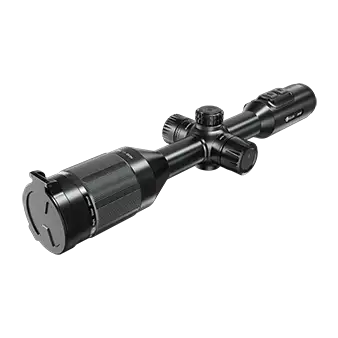
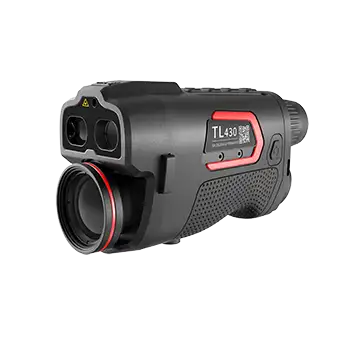


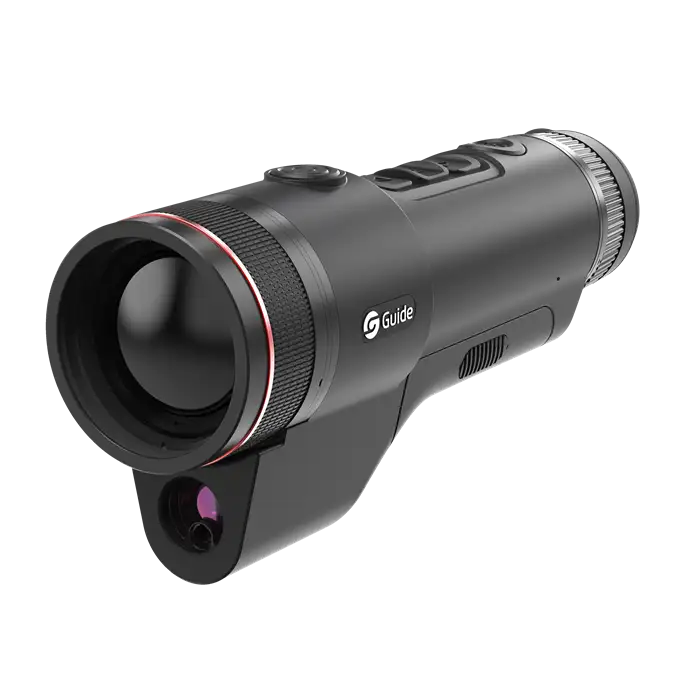
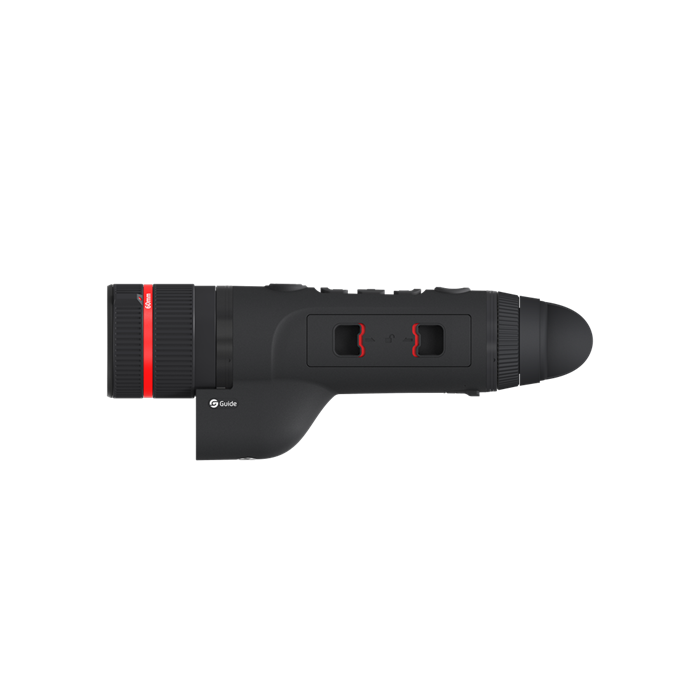
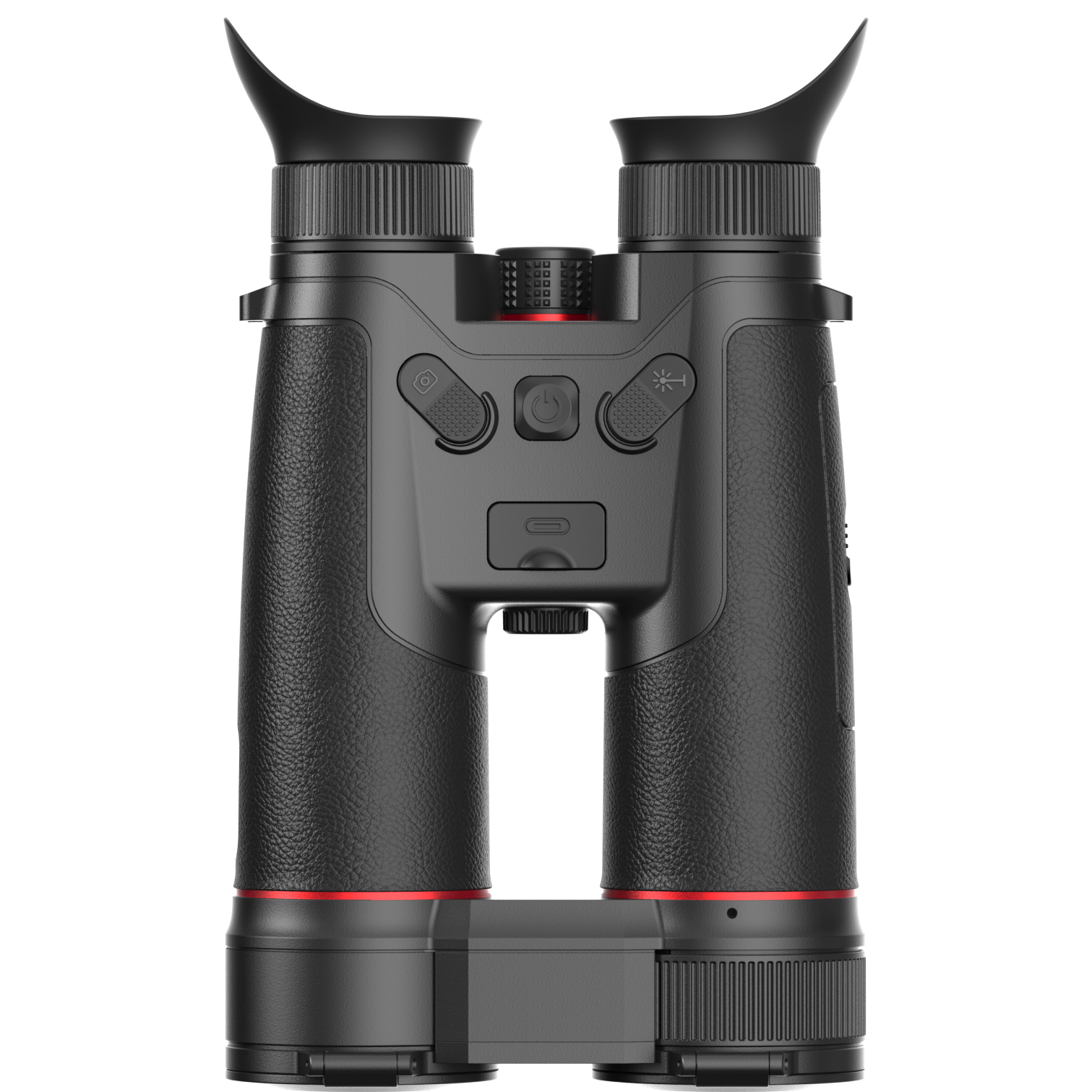
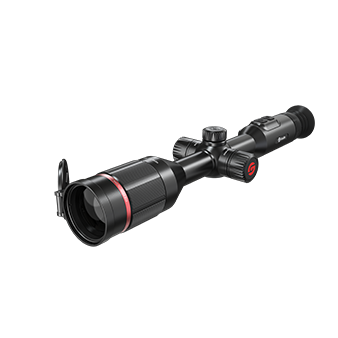
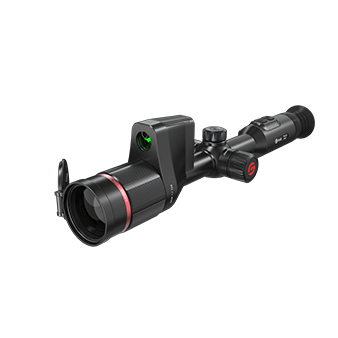
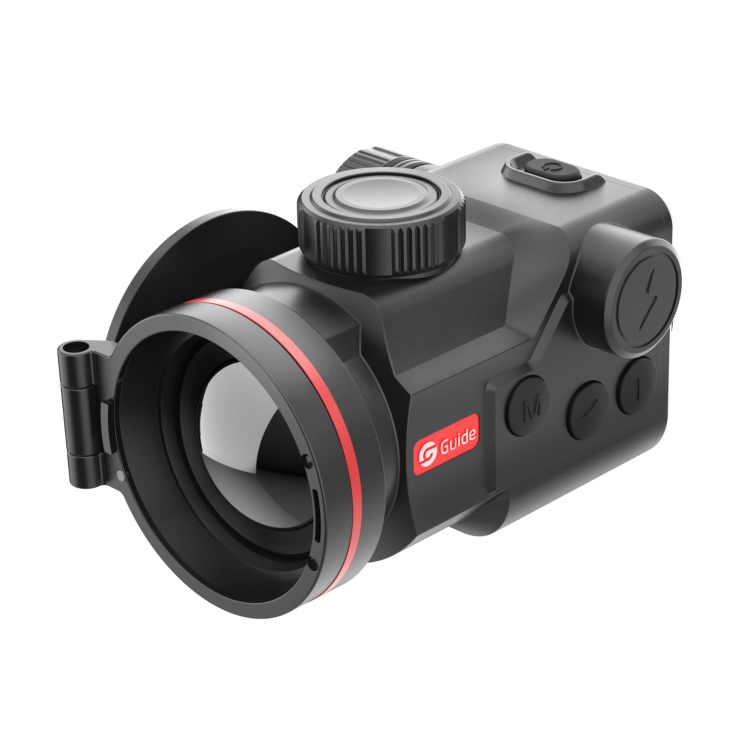
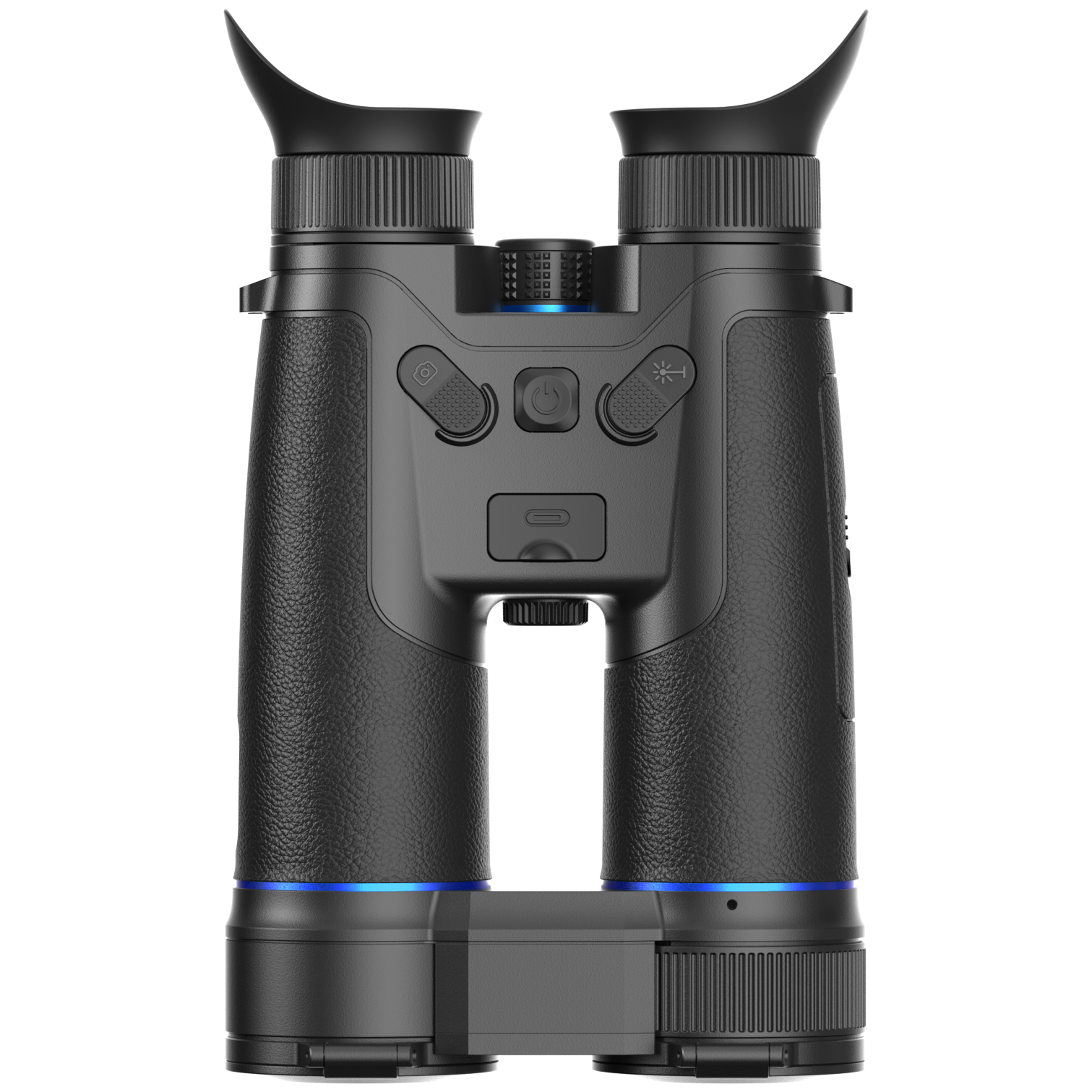
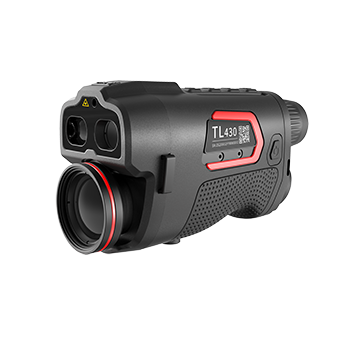





Thermal scopes are built for demanding outdoor environments, but they are still sensitive electronic devices. Many hunters and outdoor enthusiasts often mistakenly assume that thermal optics are inherently rugged and require no maintenance. However, in reality, improper use, poor storage conditions, and long-term exposure to outdoor environments can all shorten the lifespan of thermal scopes and even lead to a decline in their performance.
Understanding the factors that may lead to damage in thermal scopes helps users protect their equipment, maintain image quality, and avoid costly repairs.
Below are some of the most common causes of damage to thermal scopes, along with corresponding preventative measures.
Extreme Heat Exposure
A major risk facing thermal imaging scopes is excessive heat.
Leaving a thermal scope inside a hot vehicle, exposing it to direct sunlight for extended periods, or placing it near a strong heat source can all result in damage to its internal electronic components.
High temperatures may affect sensors, batteries, display systems, and imaging performance. Prolonged and repeated exposure to heat can reduce overall reliability.
When not in use, it is recommended to keep the thermal scope stored in a cool and dry place.
Moisture and Water Damage
While many thermal imaging scopes have a waterproof design, this cannot ensure that they are not susceptible to water under all conditions.
Heavy rain, prolonged exposure to humid environments, or accidental submersion can still compromise their sealing structures and damage internal electronic components.
Condensation is another common issue. When moving a thermal scope quickly from cold to warm areas, moisture may begin to condense within it.
Using a protective cover and storing the device properly helps reduce damage caused by moisture.
Serious Damage and Falls
Thermal scopes are designed for outdoor use; however, severe impacts can still cause serious malfunctions.
If the thermal scope is dropped onto rocks, vehicle surfaces, or hard ground, it may result in damage to the lenses, internal sensors, or mounting system.
Even if external damage appears minor, internal calibration issues may still compromise accuracy and image quality.
Using a padded carrying case and a secure mounting system helps prevent damage caused by impact.
Incorrect Cleaning Methods
Misconceptions regarding lens cleaning are far more common than many users realize.
Wiping with coarse cloths, paper towels, or unclean materials can scratch the lens surface, while harsh cleaning chemicals may damage the optical surfaces.
Thermal imaging lenses require meticulous cleaning using an appropriate microfiber cloth and a cleaning solution that is harmless to the lens.
While keeping the lens clean is undoubtedly important, improper cleaning methods may give rise to long-term risks.
Battery Issues
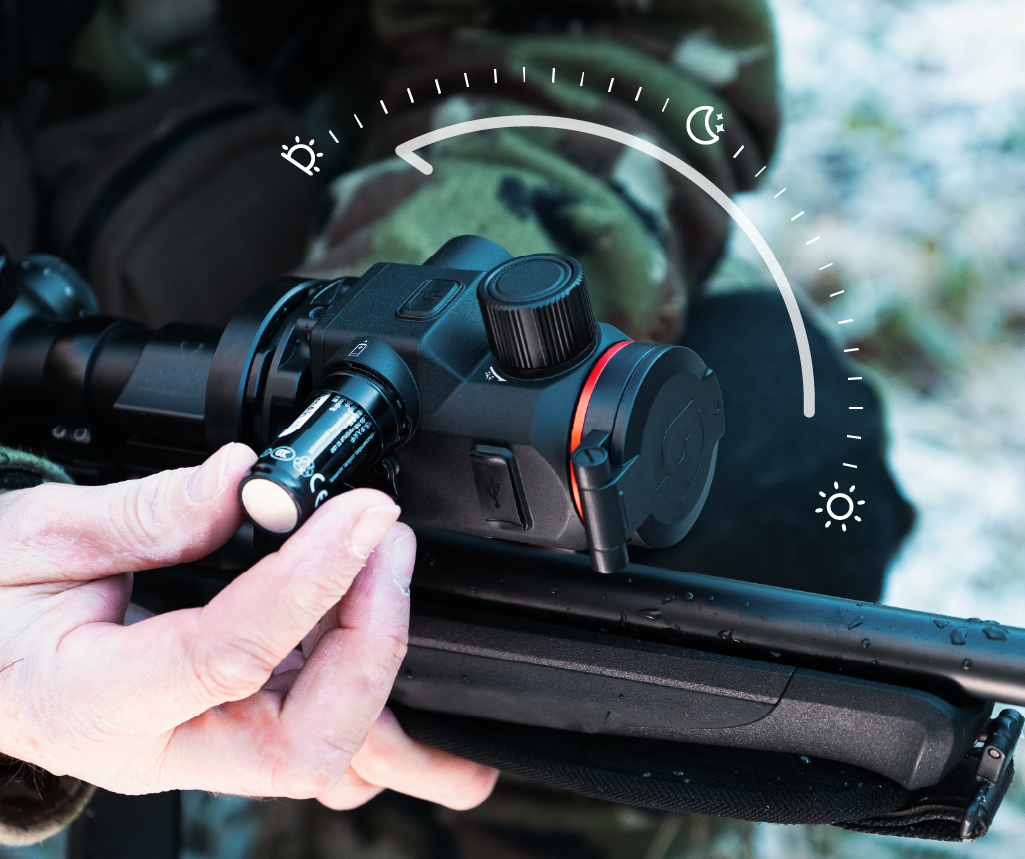
Over time, battery-related issues can cause damage to thermal hunting scopes.
The use of low-quality batteries, failing to remove batteries during long-term storage, or exposing batteries to excessive heat can all lead to battery leakage or result in power-related damage.
Some users also ignore low-battery warnings and continue using the equipment under unstable power conditions.
Using the recommended batteries and removing them during long-term storage is a safer approach.
Accumulation of Dust and Dirt
Outdoor environments expose thermal imaging scopes to dust, dirt, sand, and debris.
If dust accumulates around the buttons, battery compartment, or lens, it can affect the device's performance and user experience.
Fine dust particles may also damage delicate moving parts over time.
Regular inspection and careful cleaning help maintain the device in good working condition.
Poor Storage Habits
Improper storage is one of the most easily overlooked causes of damage to thermal imaging scopes.
Casually leaving the device in a damp garage, an exposed truck bed, or an environment subject to extreme temperature fluctuations significantly increases the risk of corrosion and electronic component failure.
For long-term storage, be sure to use a protective case and ensure stable environmental conditions.
Good storage practices can greatly extend the lifespan of the device.
Incorrect Installation Configuration Used
Improper installation methods may subject the thermal scope to unnecessary stress.
A loose mount, improper alignment, or poor recoil resistance compatibility can all lead to vibration-induced damage during repeated firing.
A secure and properly matched mounting system helps safeguard protect both shooting accuracy and the internal components.
It is also important to check the mount's tightness regularly.
Neglecting Firmware and System Updates
Some modern thermal imaging scopes come equipped with software systems and digital functionalities.
Neglecting firmware updates can, over time, lead to performance malfunctions, system instability, or even compromised functionality.
Manufacturers typically release updates designed to optimize thermal image processing and enhance the device's overall reliability.
Keeping the software up to date helps ensure that the device maintains optimal operational performance.
Neglecting Long-Term Maintenance
As with any piece of precision outdoor equipment, thermal imaging scopes require regular maintenance.
If routine maintenance is ignored, the seal is never checked, and the lens or bracket is not inspected, its performance will gradually decline over time.
Neglecting minor potential issues often results in small problems escalating into major malfunctions.
Therefore, performing regular maintenance is one of the simplest and most effective ways to extend the service life of a thermal hunting scope.
Conclusion
Thermal scopes are powerful tools for hunting and outdoor observation, but they are not indestructible.
Extreme heat, humid environments, physical impact, improper cleaning habits, battery failure, and improper storage can all cause damage to thermal imaging devices over time.
By exercising careful handling, performing proper cleaning, and ensuring correct storage, users can effectively preserve their device's imaging quality and enhance its long-term reliability.
A properly maintained thermal scope not only delivers superior performance and a longer service life but also remains consistently stable and reliable, even in the most demanding outdoor field conditions.