







How to Maintain a Handheld Thermal Imaging Monocular for Long-Lasting Performance
Release Time 2026-07-04

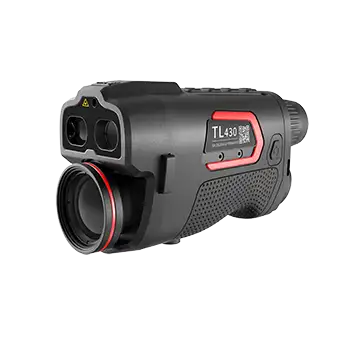
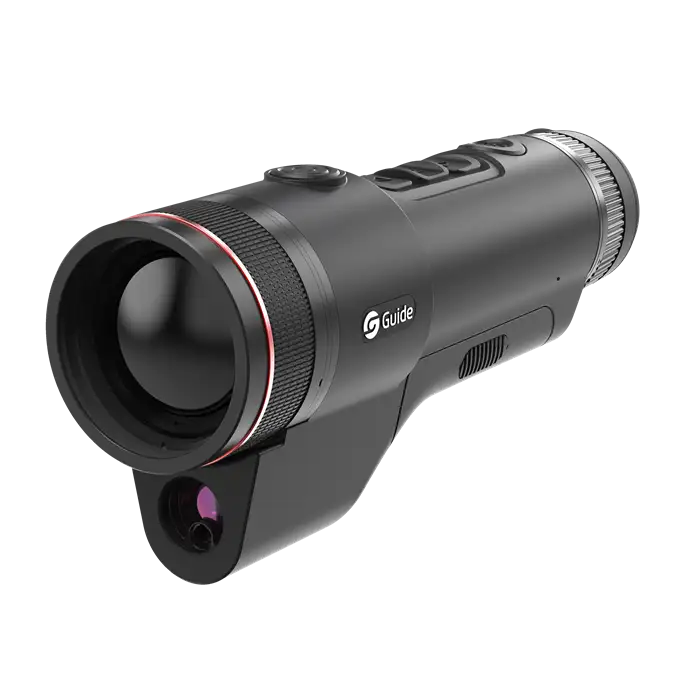
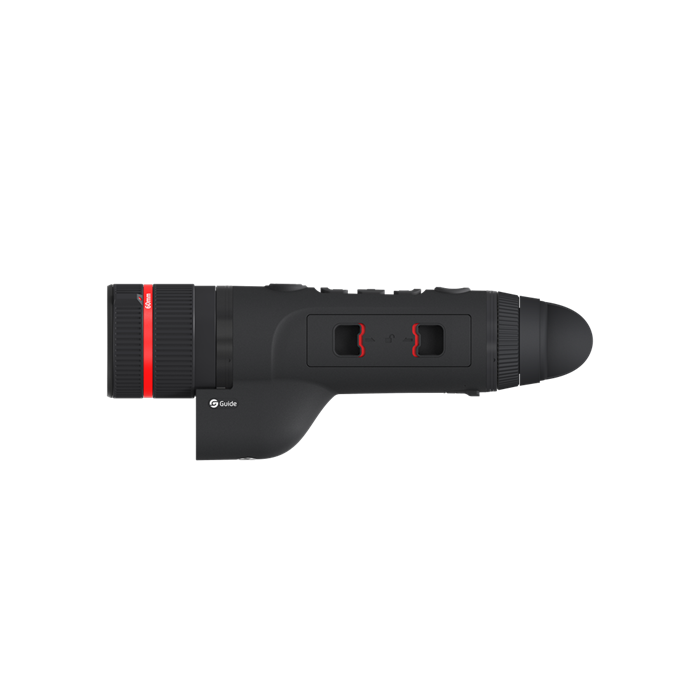
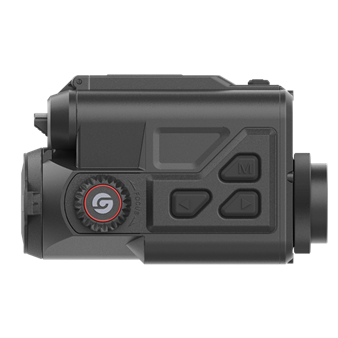
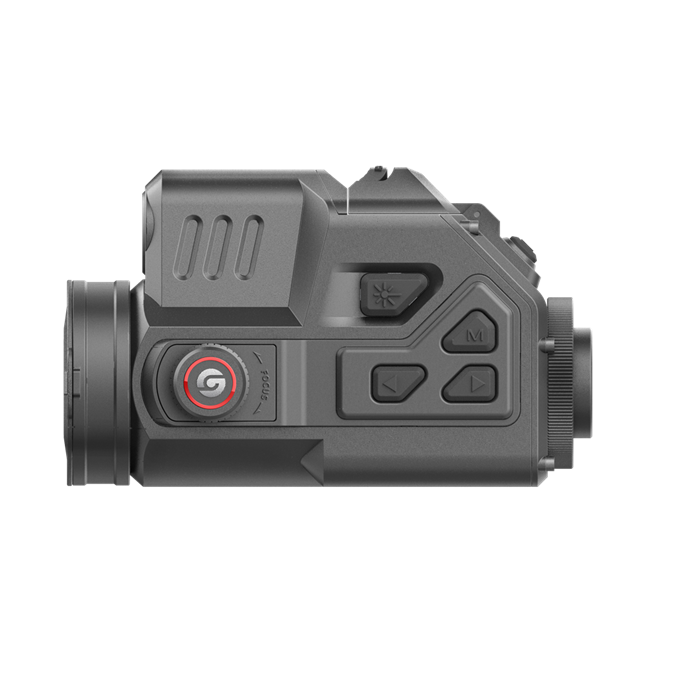
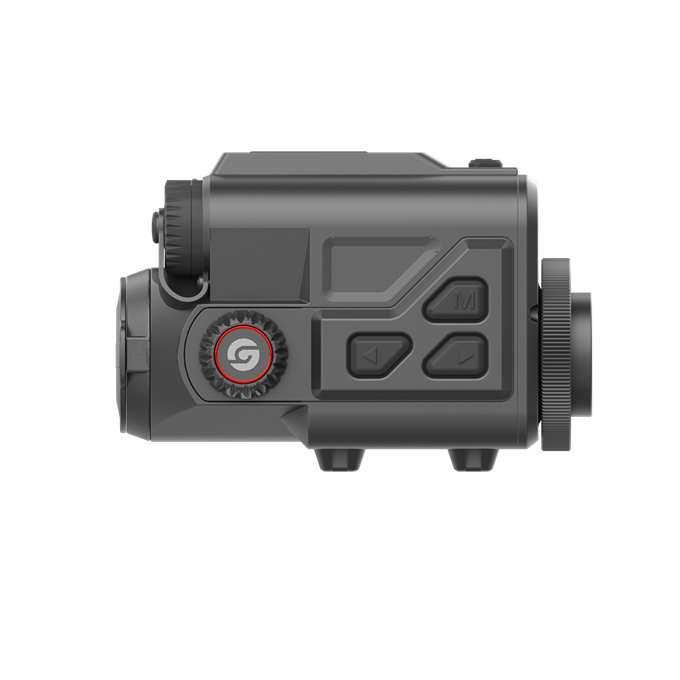
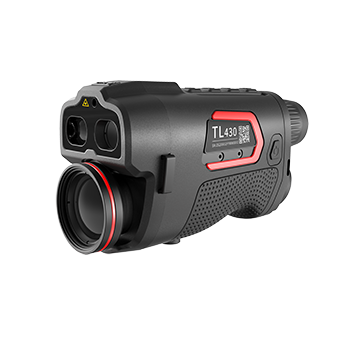
For hunters who need to detect game in darkness, low-light conditions, or complex terrain, a handheld thermal imaging monocular is an invaluable piece of equipment. As a precision device, it requires proper maintenance to deliver optimal performance. Proper maintenance not only protects your investment but also ensures the device operates reliably every time you head into the field.
The good news is that keeping your thermal imaging monocular in top condition does not require complex maintenance. Simply adopting a few easy habits can significantly prolong its lifespan and ensure consistently optimal image quality.
Why Thermal Monocular Maintenance Is Important
Proper thermal monocular maintenance ensures consistent image quality, prevents damage to optical components, and extends the overall lifespan of the device.
Keep the Lens Clean
The lens is one of the most important parts of the thermal imaging monocular. Dust, fingerprints, water spots, and grime can reduce image clarity and make it harder to identify game.
Always use a soft microfiber cloth or a lens cleaning brush made for optical equipment. If necessary, use a cleaning solution specifically formulated for cameras or optical lenses. Do not use facial tissues, paper towels, or rough fabrics, as they may damage the lens coating.
Before cleaning, gently remove any loose dust; do not wipe the lens directly without doing so. Regular cleaning after each hunting trip helps maintain optimal thermal image clarity.
Preventing Moisture Damage
Even though many handheld thermal imaging monoculars are designed to be rain-resistant and suitable for outdoor use, this does not mean they can withstand prolonged exposure to excessively humid or wet conditions.
After using the device in rainy, foggy, or humid environments, wipe the exterior with a dry cloth before storing it. If the device becomes wet, let it to air-dry naturally; never place it back in its carrying case while it is still damp.
Keeping the monocular dry helps protect both the device's housing and its internal electronic components.
Proper Storage
Proper storage is just as important as correct usage.
When you are not using the thermal imaging monocular, place it in its protective case to guard against dust, impacts, and scratches. Store it in a cool, dry place, away from direct sunlight or high temperatures.
During the hot summer months, avoid leaving the device in a vehicle for extended periods, as high temperatures can affect battery life and the performance of electronic components.
Battery Maintenance
The battery is another important factor in maintaining the long-term performance of a thermal imaging monocular.
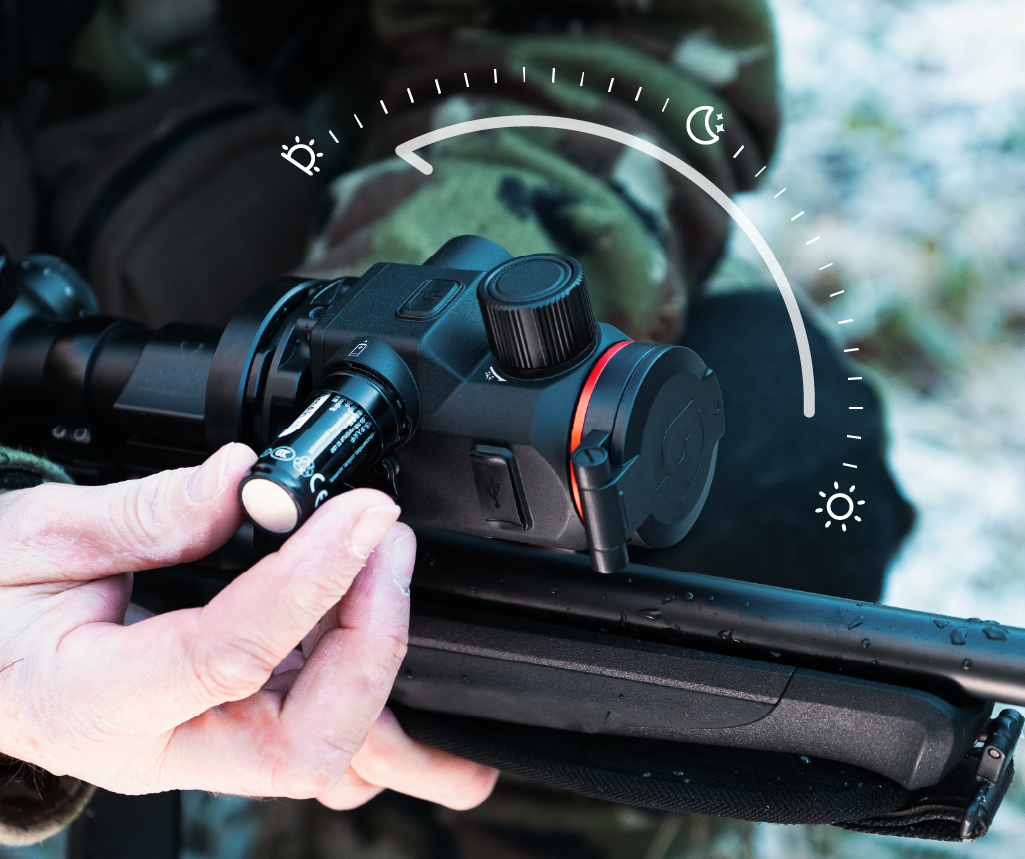
Please follow the manufacturer's recommendations for charging and avoid leaving the battery fully discharged for extended periods. If you do not plan to use the monocular for several weeks or months, it is better to take out the battery, or ensure it retains an appropriate charge level during storage.
For extended hunting trips, it is also recommended to carry a fully charged spare battery.
Avoid Hard Impacts
Although many thermal monoculars are built for outdoor use, they remain precision optical devices.
Do not drop the device or place heavy objects on it. Use a padded carrying case during transport to minimize the risk of accidental damage.
While minor impacts may not cause visible damage, repeated exposure can eventually affect the precision of the internal optical alignment.
Update Software Regularly
Some contemporary handheld thermal imaging monoculars support firmware updates.
These updates can enhance image processing, improve system stability, optimize battery management, or introduce new functions. Regularly checking for official firmware updates helps ensure the device maintains optimal performance.
Always download updates from the manufacturer's official website and follow the recommended installation instructions.
Check Your Monocular Before Every Hunt
Take a few minutes to inspect your device before leaving for a hunting trip.
Confirm that the battery is fully charged, the lenses are clean, the buttons respond correctly, and the display works correctly. Performing a quick check helps prevent unexpected issues while you are out in the field.
Making this a regular habit saves time and avoids unnecessary interruptions during hunting.
Experienced hunters often develop a simple routine for maintaining their thermal monoculars after each trip, such as cleaning the lens immediately, checking the battery level, and storing the device in a dry case. These habits help ensure the device remains reliable in demanding field conditions.
Conclusion
Handheld thermal imaging monoculars are designed for tough outdoor environments, yet routine maintenance remains essential to ensure long-term, reliable performance.
Keeping the lens clean and dry, storing the device properly, maintaining the battery, avoiding impacts, and inspecting the equipment before every hunt all help extend its service life.
Guide Outdoor is committed to designing thermal imaging products that deliver reliable performance in real-world hunting conditions. With proper care and maintenance, a high-quality handheld thermal imaging monocular can deliver reliable performance across multiple hunting seasons and a wide range of outdoor environments.