





How Does Humidity Affect Thermal Scope Performance
Release Time 2026-06-27

Thermal scopes are widely used in hunting because they detect heat rather than relying on visible light. This allows them to operate effectively at night, in low-light conditions, and in areas with dense vegetation. However, weather conditions can still affect the performance of thermal imaging equipment, and humidity is a key factor that hunters should be aware of.
While high humidity does not render thermal scopes inoperable, it reduces image clarity and contrast, thereby diminishing their effectiveness for long-range observation.
Why Humidity Matters for Thermal Scope Performance
Humidity indicates a high level of moisture in the air. Since thermal scopes work by detecting infrared heat energy, atmospheric moisture can interfere with the transmission of thermal signals from the target to the device.
In short, although the scope can still detect the animal, the image clarity may not be as high as it would be in dry conditions.
How High Humidity Reduces Thermal Scope Image Clarity
One of the most significant effects of humidity is that it causes images to appear fuzzy and blurred.
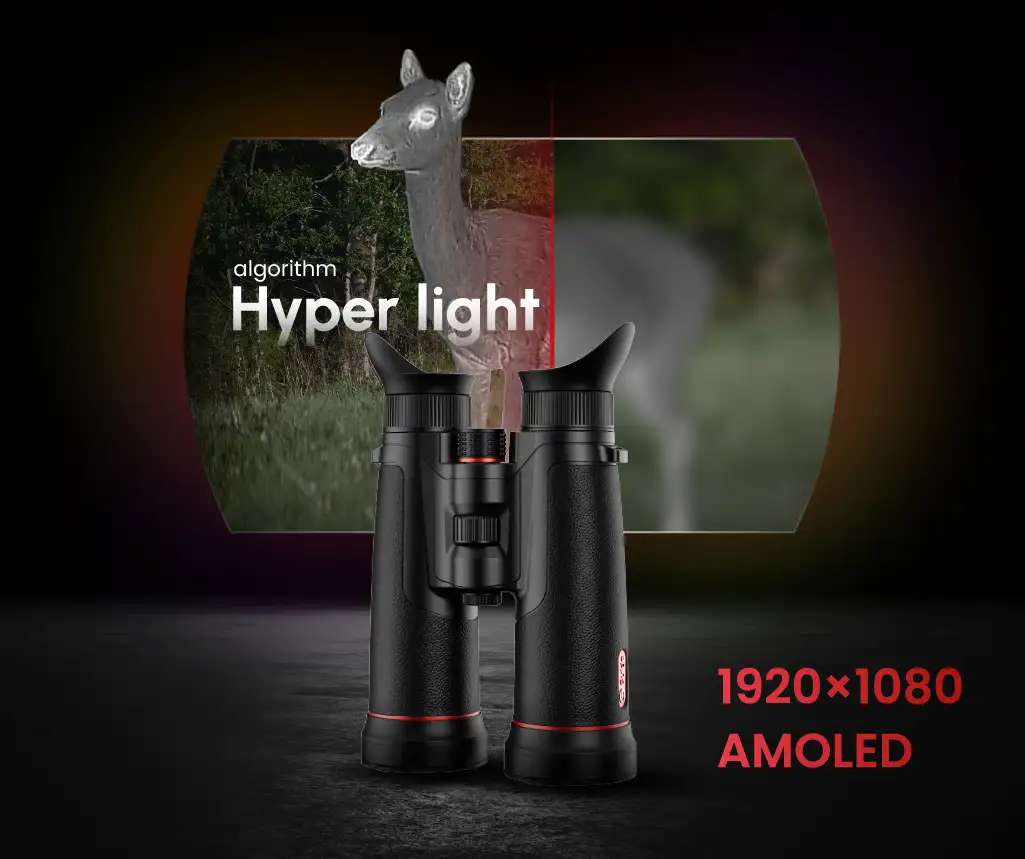
In dry weather, animals usually stand out in sharp contrast against the background, displaying distinct outlines. In humid conditions, however, the contrast between the animal and its surroundings may diminish, causing the target to appear indistinct with blurry edges.
Although this does not necessarily prevent the target from being detected, it makes it more difficult to quickly identify the object, especially when spotting from a distance.
How Humidity Affects Thermal Scope Detection Range
Although the rated detection range of a thermal imaging scope remains constant, a high-quality thermal imaging scope can still provide reliable target detection even in humid environments.
When humidity is high, signals from distant heat sources may appear fainter. This means that while you might detect an animal in the distance, the image clarity may not be sufficient for a quick assessment.
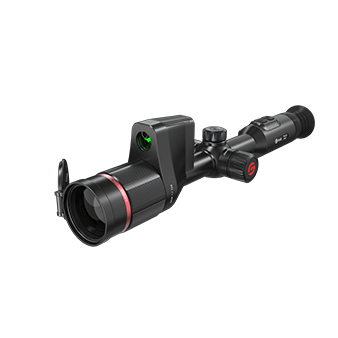
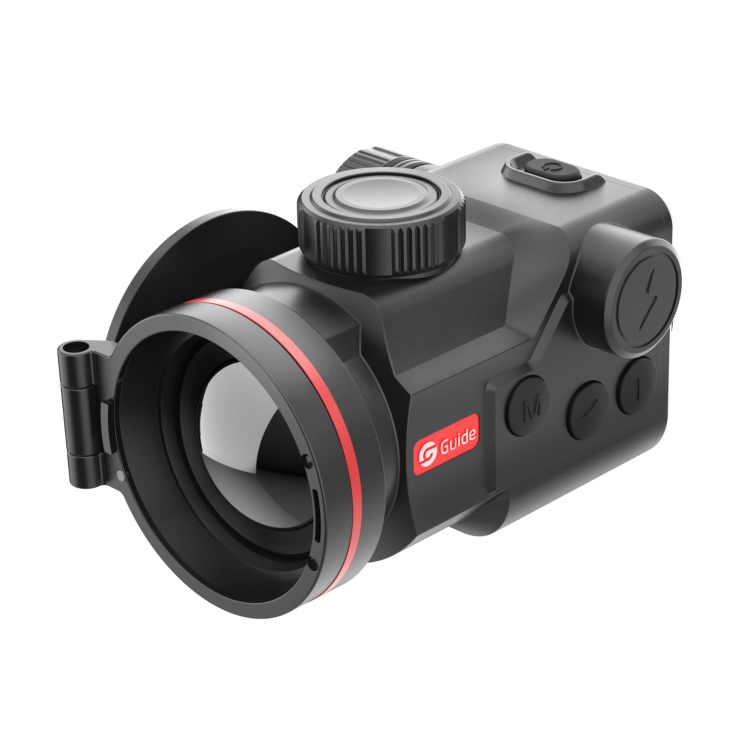
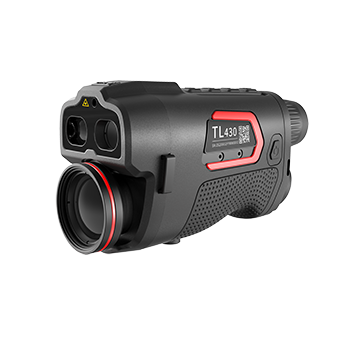
Hunters often encounter these conditions on warm summer nights, after rains, or during humid mornings. Choosing the right thermal hunting scope can help hunters achieve better results under changing weather conditions.
Why Humid Environments Make Thermal Images More Complex
Humid conditions usually involve wet grass, damp ground, fog, or heavy morning moisture. These factors can make the thermal image appear more cluttered, as the background may retain more heat or exhibit greater thermal variation.
Therefore, the silhouette of an animal within the image may not stand out as sharply as it would on a cold, dry night.
Tips for Using a Thermal Hunting Scope in Humid Conditions
While you cannot change the humidity, you can adjust your hunting method.
Slow down your scanning pace to avoid missing fainter thermal signatures.
Focus on mid-range targets, where image quality is generally more reliable than at longer distances.
Whenever possible, choose a higher vantage point for a clearer view of the surrounding area.
Take the time to familiarize yourself with how your scope performs in various weather conditions.
The more experience you gain using a thermal hunting scope in humid weather, the easier it becomes to accurately interpret the images.
Conclusion
Humidity has an impact on the performance of thermal imaging scopes, leading to reduced image clarity and contrast, and making distant targets harder to identify. Damp ground, fog, and high atmospheric humidity can also make the background appear more complicated.
However, modern thermal imaging scopes remain highly effective for hunting in most weather conditions. Understanding how humidity influences thermal imaging allows hunters to adjust their scanning techniques and make more informed decisions in the field.