

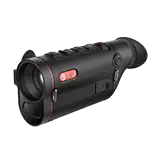


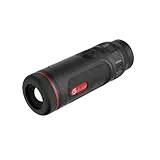
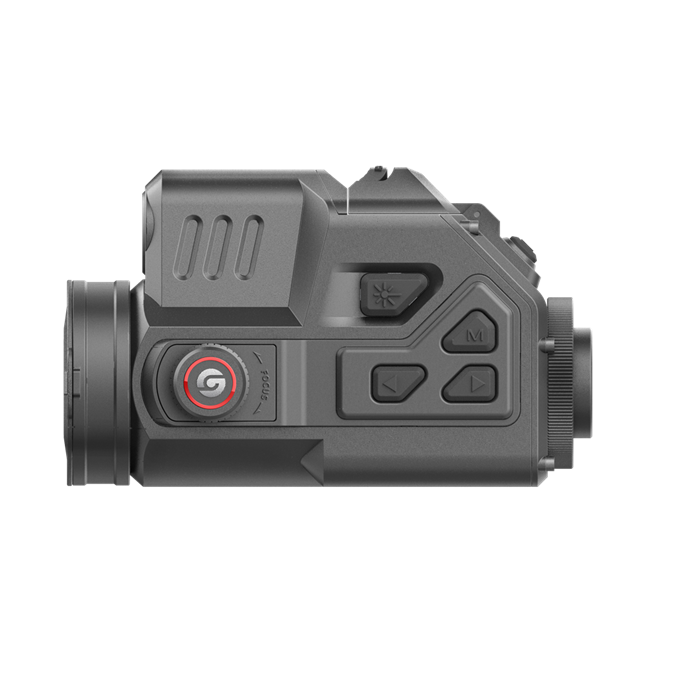
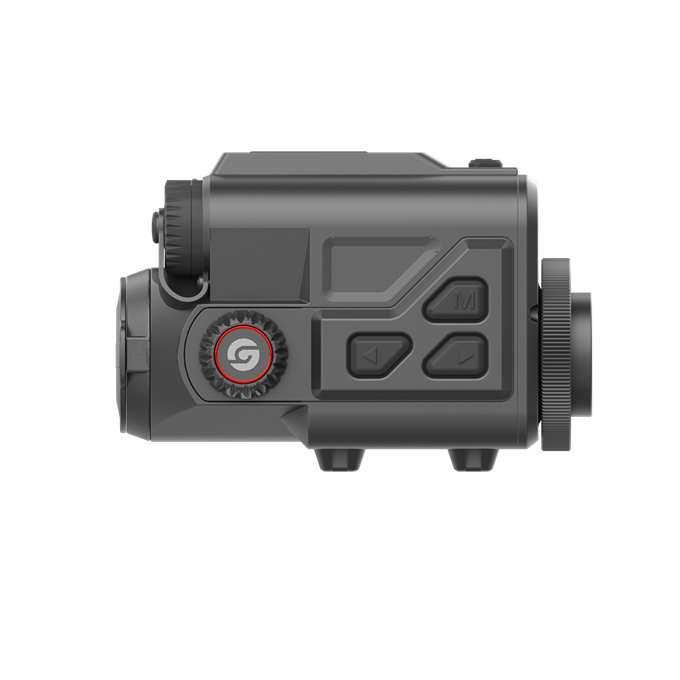
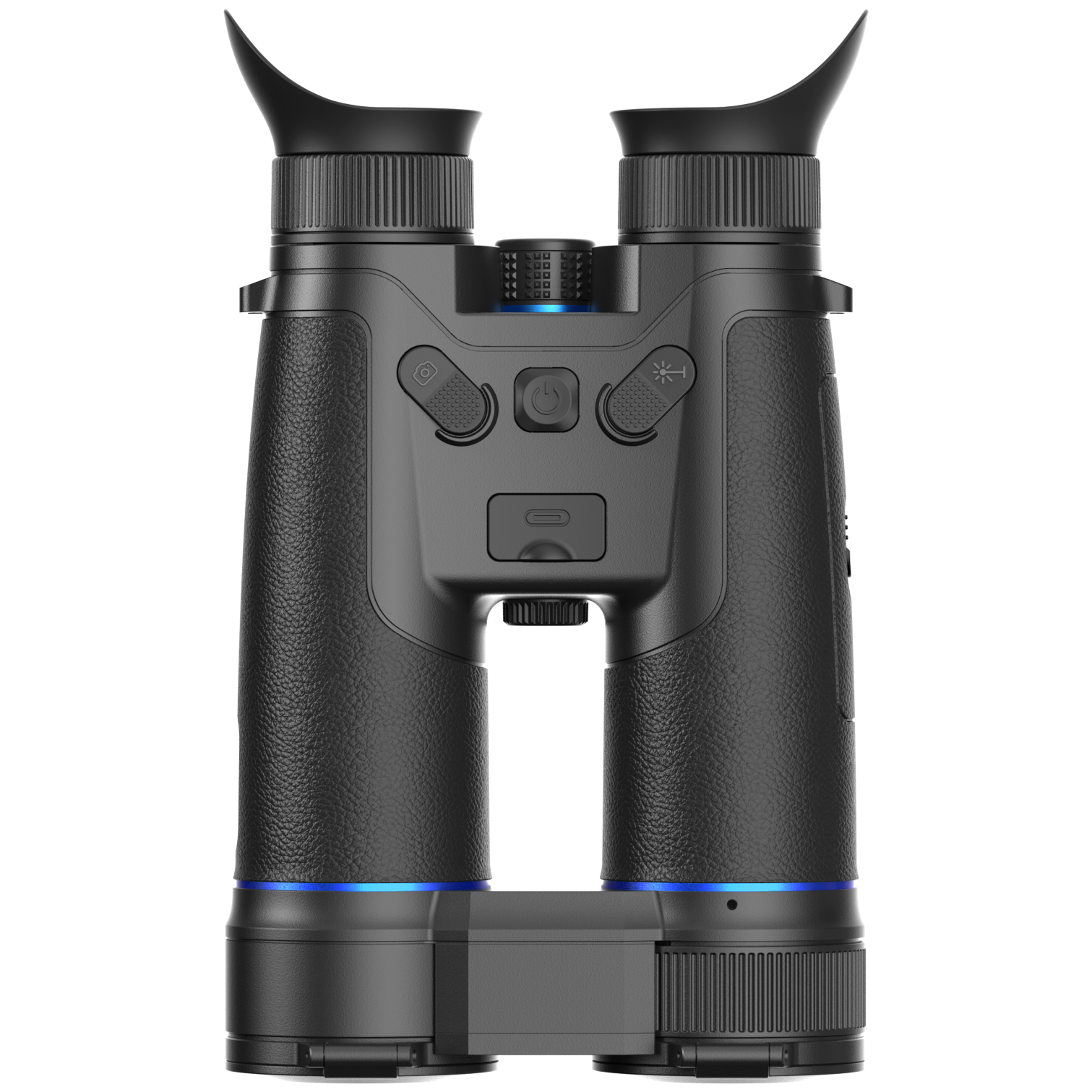


Tips for Using a Thermal Imaging Monocular During Early Morning Hunts
Release Time 2026-06-18

Early morning is one of the best times for hunting. As the sun rises, many animals leave their habitats to head toward feeding grounds or water sources. However, low light, morning fog, and fluctuating temperatures often make it hard to detect game using standard optical equipment.
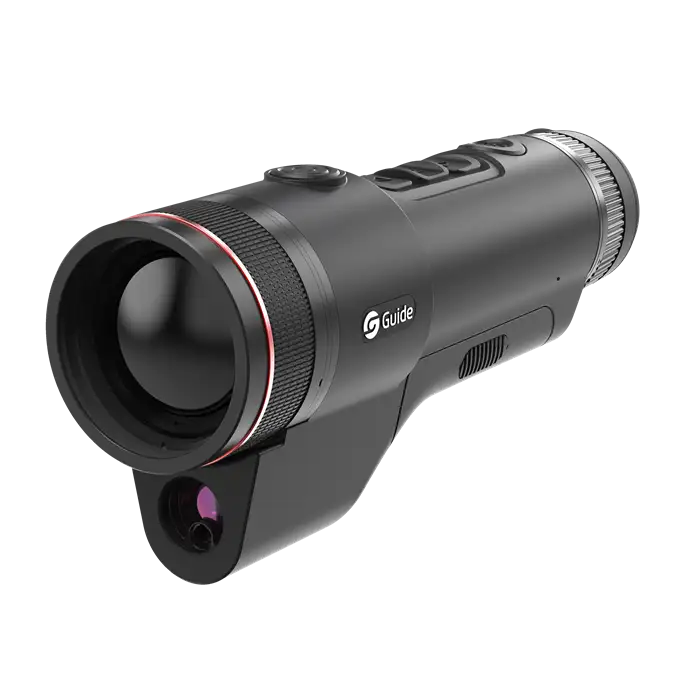
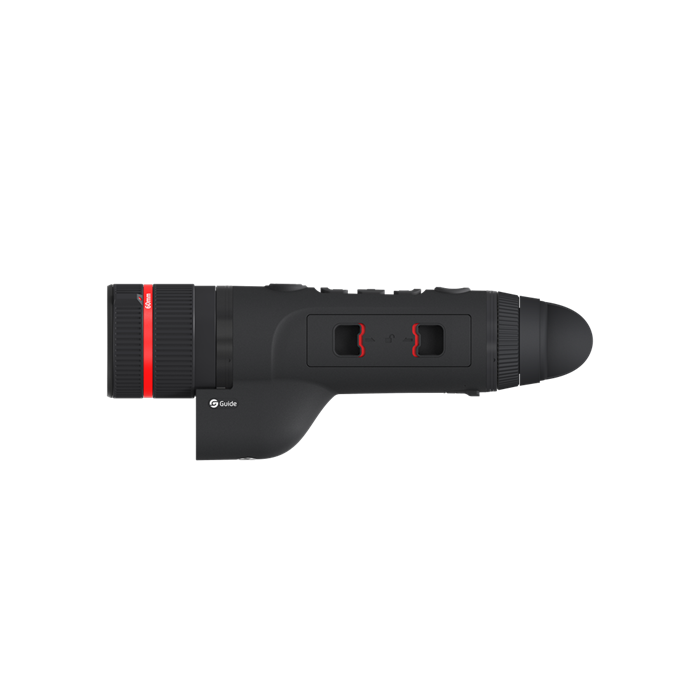
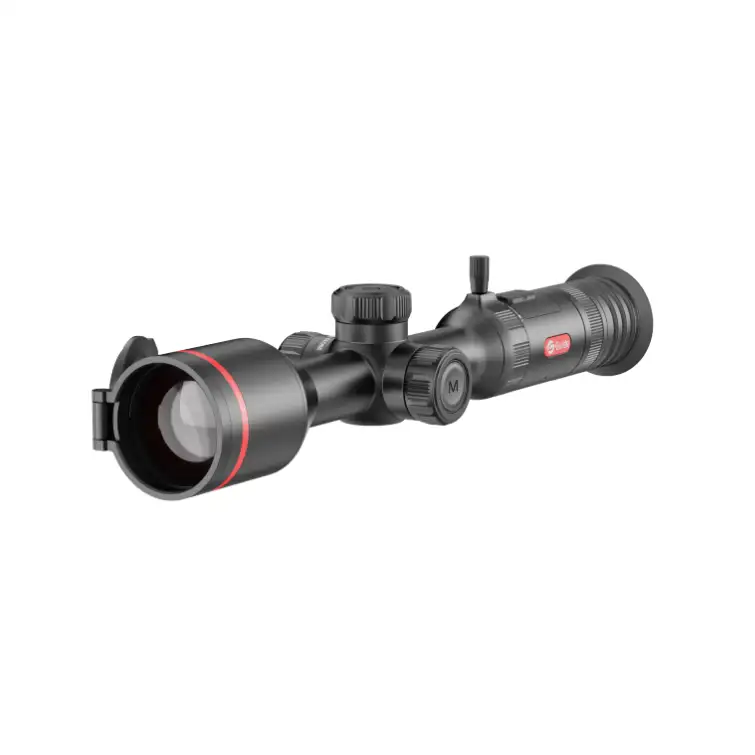
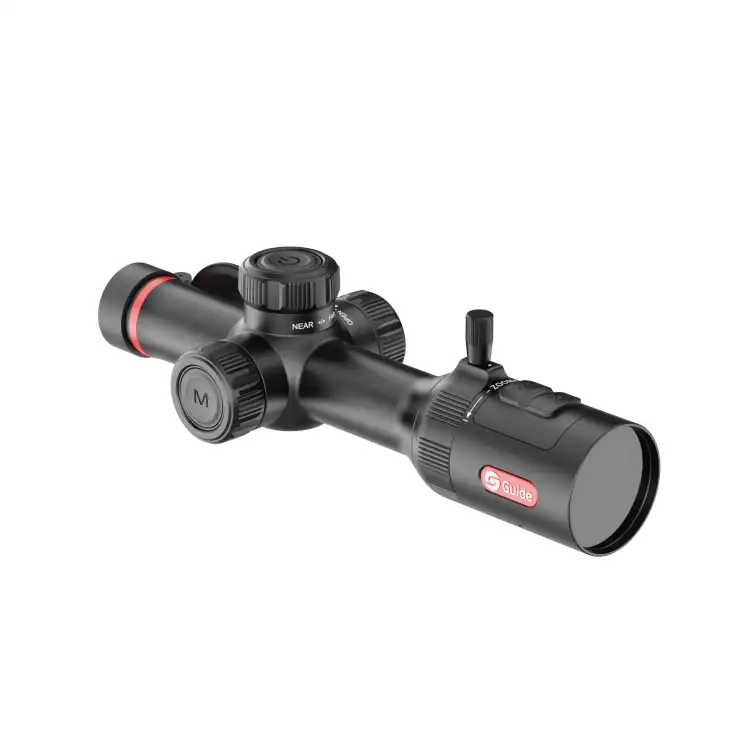
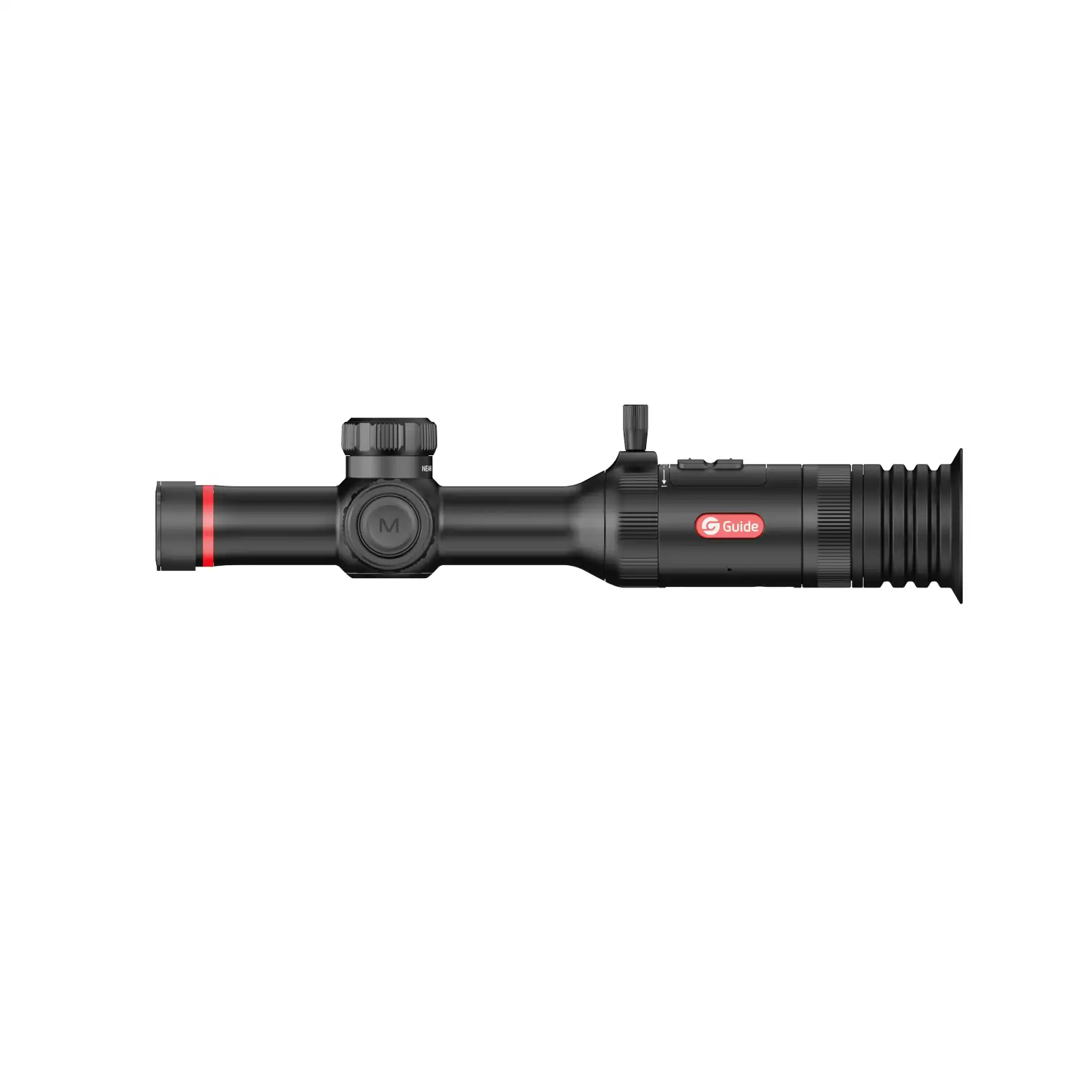
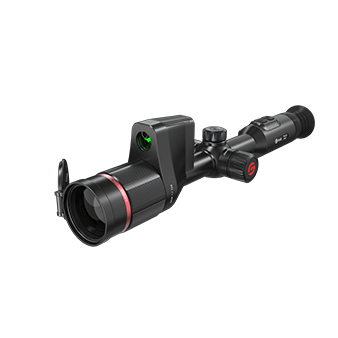
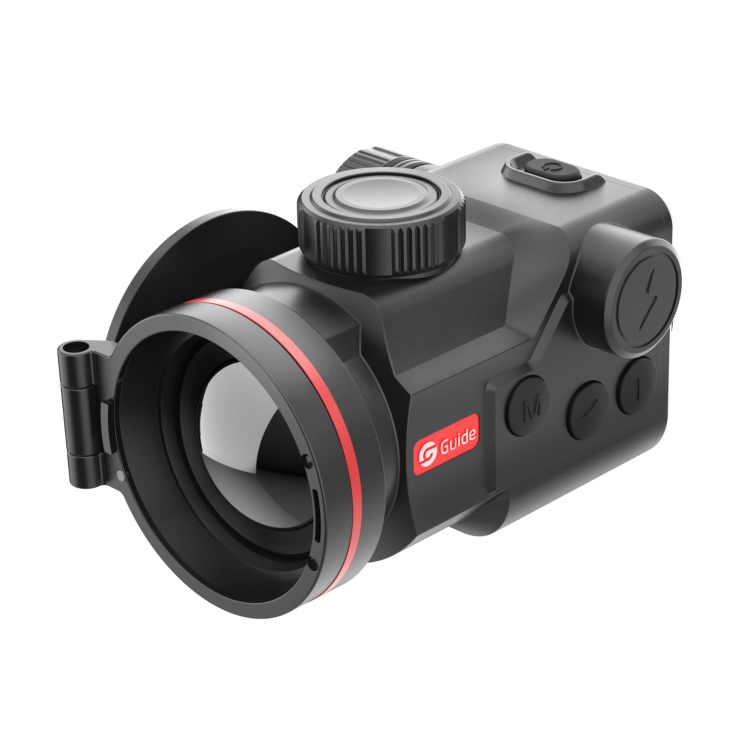
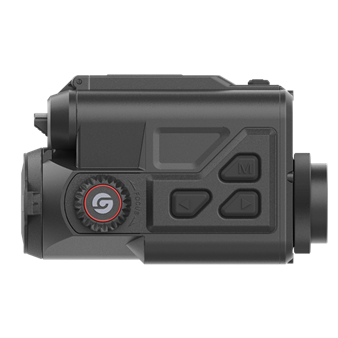
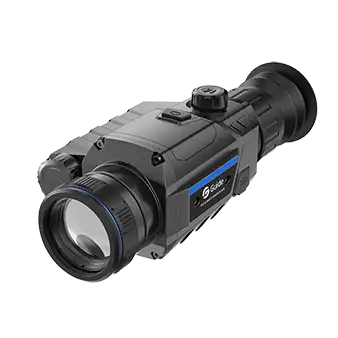
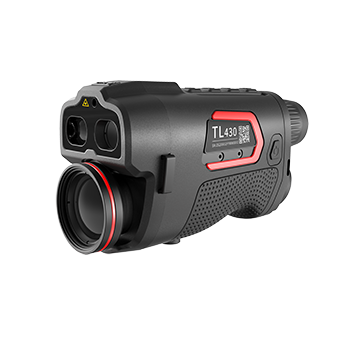
Thermal imaging monoculars enable hunters to detect heat signatures without relying on visible light, which makes them ideal for use during early-morning observation. To get the most out of your device, proper field technique is crucial.
Start Observing Before Sunrise
A key advantage of thermal imaging monoculars is their ability to operate in darkness.
Arriving at your hunting location before sunrise gives you time to scan the surrounding area while animals are still active. You can detect movement in fields, along forest edges, or on open trails without having to use artificial light sources that might startle wildlife.
Starting your hunt early also allows you to track animal movements before the environment is altered by daylight.
How to Scan Effectively with Thermal Monoculars
Many beginners move their thermal monocular too fast.
Fast scanning can cause you to miss faint thermal signatures, especially when animals are partially obscured by grass or brush. The correct approach is to move the device slowly from left to right, adjust it slightly downward, and then repeat the process.
Using a fixed scanning pattern helps ensure full coverage of the area, thereby increasing the chance of spotting game.
Focus on Areas with High Activity
Many animals have regular activity patterns during the early morning.
Key areas to monitor include:
l Feeding areas
l Water sources
l Game trails
l Forest edges
l Open grasslands
Prioritizing these areas often leads to spotting game much faster than aimlessly scanning the surroundings.
Understanding animal behavior makes thermal observation more efficient.
Using High-Elevation Observation Points
Whenever conditions allow, select a high vantage point for observation.
Hillside slopes, ridges, or elevated hunting stands provide a broader view of the surrounding terrain. Using a thermal imaging monocular from a high place allows you to scan a larger area without the need for frequent movement.
This method saves time and reduces the risk of disturbing nearby animals.
Pay Attention to Both Heat Sources and Movement
While thermal monoculars help you easily spot heat signatures, experienced hunters also keep a close watch on the movement of objects.
A slowly moving heat signature near the edge of the woods may indicate an animal entering a feeding area. Observing how the target moves helps hunters gauge its direction and behavioral patterns before deciding on their next move.
Patience often brings better observation results.
Minimize Your Movement
A common mistake is shifting your position too frequently while scanning the area.
Frequent movement causes noise and increases the risk of startling wildlife. The correct approach is to remain in one spot for several minutes and carefully observe the surroundings.
Using a thermal imaging monocular allows hunters to obtain vital information from a distance without having to venture deep into the hunting area.
Reducing movement often creates more opportunities to observe animals engaging in natural behavior.
Be Prepared for a Changing Environment
Early morning weather conditions shift rapidly.
Fog may dissipate, sunlight can warm the ground, and temperature differentials fluctuate over time. These changes can influence the appearance of thermal signatures. As the ground warms after sunrise, the temperature contrast between animals and the background may decrease, making thermal signatures less obvious.
Adjusting your scanning pace and continuously monitoring key areas throughout the morning helps maintain effective observation.
Flexibility is a key factor in successful thermal hunting.
Conclusion
Thermal hunting monoculars work well in early-morning hunting, as they enable hunters to detect animals in low-light conditions without relying on visible light.
By scanning before sunrise, focusing on areas of activity, utilizing high vantage points, and moving slowly and methodically, hunters can improve their observation efficiency while minimizing unnecessary disturbance.
With the right techniques, a thermal imaging monocular becomes a powerful tool, making early-morning hunts both more productive and more enjoyable.
Ready to upgrade your early-morning hunts? Explore our top-rated Thermal hunting monoculars collection and find the perfect companion for your next adventure.