






Beginner Tips for Using Thermal Binoculars in Outdoor Environments
Release Time 2026-05-21

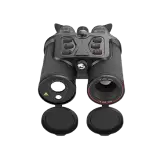
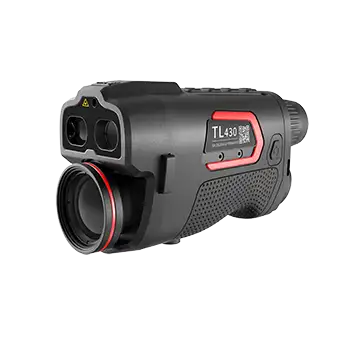
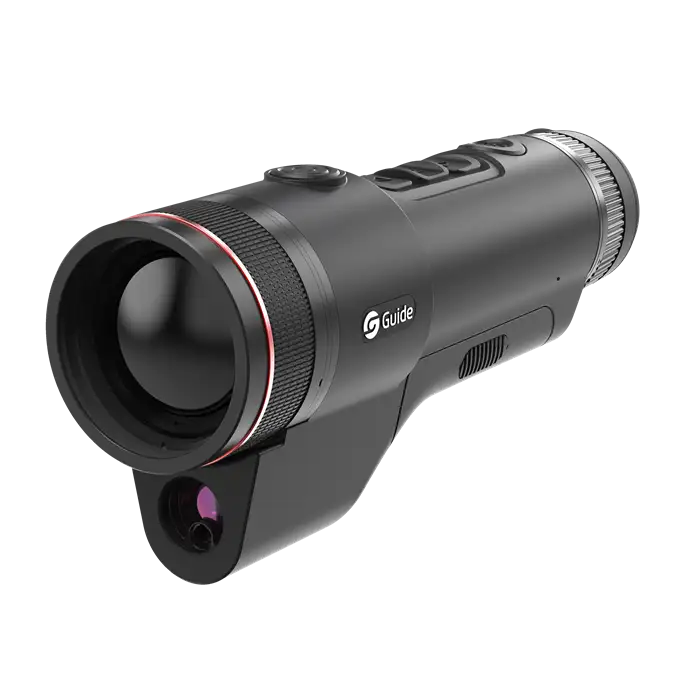
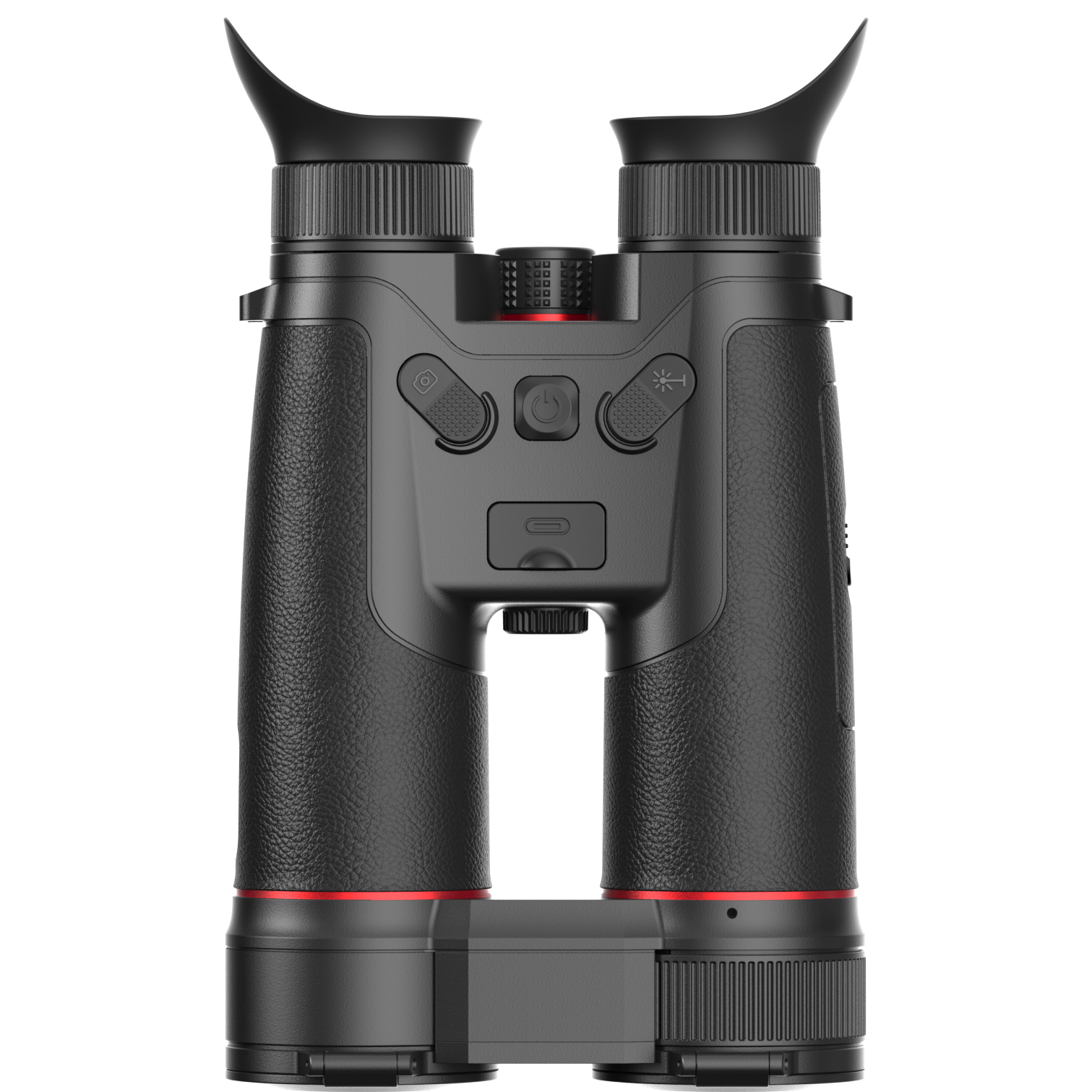
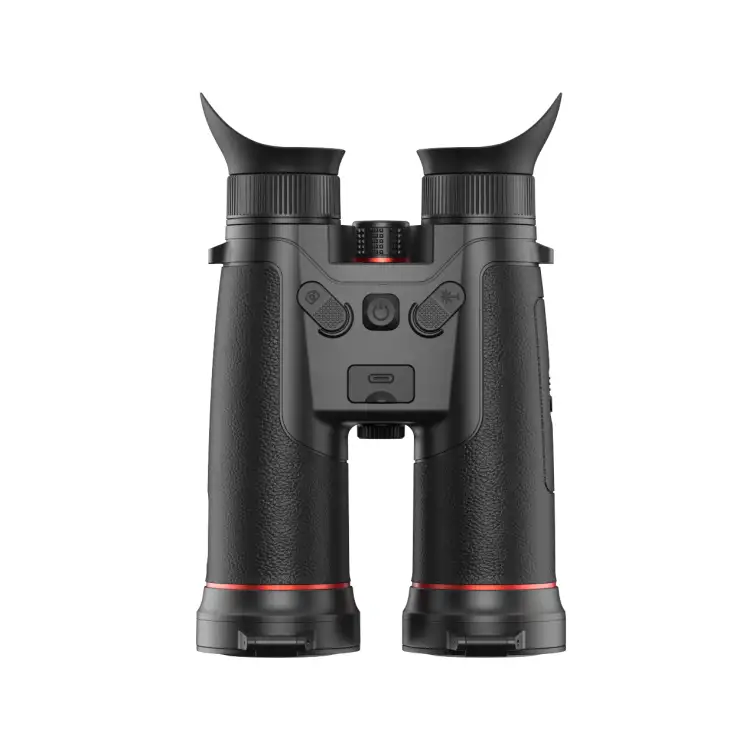
Thermal binoculars are becoming increasingly popular in the realm of outdoor activities, precisely because they allow users to detect heat signatures instead of relying solely on visible light. Whether you are observing wildlife, engaging in outdoor exploration, or hunting at night, thermal binoculars can significantly enhance visibility in low-light and no-light environments.
However, for beginners, using thermal imaging technology for the first time may feel somewhat unfamiliar. Many people often assume that thermal binoculars operate in exactly the same way as traditional optical devices; in reality, however, there are significant differences between the two.
Learning some useful tips can help new users achieve better results more quickly and avoid common mistakes often made during field operations.
Understanding How Thermal Imaging Works
The first step is to clarify exactly what thermal imaging binoculars do.
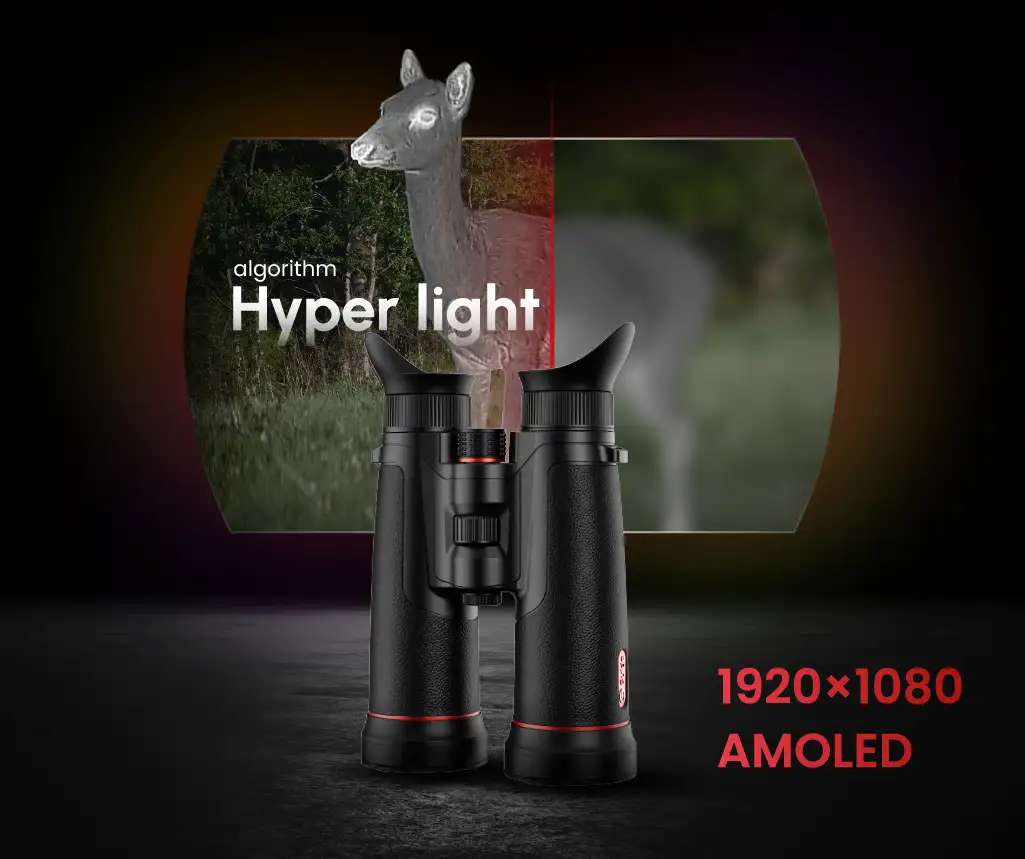
Thermal imaging binoculars detect thermal signals, rather than conventional colors or details. Because heat-emitting objects visually stand out against a cooler background, this makes it easier to detect the presence of animals, people, and vehicles.
This means that you are not looking for traditional visual details; rather, you are learning to recognize patterns and dynamics of heat distribution.
Once beginners understand this concept, adapting to thermal imaging becomes much easier.
Slow Down Your Scanning Speed
A common mistake beginners make is scanning too quickly.
Rapid movement makes it more difficult to detect subtle thermal signatures or environmental dynamics. A slow, controlled scanning motion allows your eyes more time to spot targets.
When using thermal imaging binoculars outdoors, try to scan in sections rather than moving aimlessly across the terrain.
This creates a more systematic and efficient search pattern.
Learn to Identify Different Heat Sources
Not every heat source is an animal or a critical target.
Rocks, vehicles, buildings, and even the ground surface can store heat, especially after being exposed to sunlight during the day.
Beginners should take the time to familiarize themselves with how various objects appear when viewed through thermal binoculars. As experience is gained, distinguishing animals from background thermal signals will become increasingly easy.
Experience is important in honing one's thermal imaging observation skills.
Selecting the Right Color Palette
Most thermal imaging binoculars provide a variety of display modes or color palette options.
Some people prefer the "White Hot" mode, while others find the "Black Hot" mode more effective for detecting moving targets. Furthermore, varying environmental conditions can influence which setting yields the best results.
Beginners are encouraged to try out different color palettes across various outdoor environments to determine what works best for them.
Finding the viewing mode that feels most comfortable not only accelerates target detection but also effectively helps to alleviate eye strain.
Avoid Frequent Zooming
While digital zoom can be useful, beginners often rely on it excessively.
Excessive zooming narrows your field of view and can compromise image clarity. In many situations, maintaining a wider field of view helps you detect movement more effectively.
Zoom should be used only when you need to confirm details after spotting the target.
For general outdoor observation, utilizing a wider scanning field of view typically yields better results.
Pay Attention to Weather Conditions
Weather conditions affect thermal imaging performance.
Fog, rain, humidity, and extreme temperatures can all impact the clarity of thermal signals. Warm environments can also reduce the temperature difference between an animal and its surroundings.
Beginners should understand how weather conditions affect thermal imaging visibility.
Understanding environmental conditions helps improve anticipated results and observational outcomes.
Keeping Binoculars Steady
A steady field of view is crucial for clear observation.
Shaking makes it more difficult to detect faint heat sources or distant moving targets. Beginners performing scanning observations should, whenever possible, hold the binoculars with both hands while maintaining a comfortable posture.
For extended observations, it can be useful to use trees, vehicles, or a flat surface as a support base.
Stability improves not only the user’s comfort but also the precision of identification.
Practice at Different Times of Day
The imaging performance of thermal hunting binoculars varies depending on changes in ambient temperature.
Early mornings, late nights, and cooler evenings often yield stronger thermal contrast, making targets easier to identify.
Practicing in different outdoor settings helps beginners understand how thermal imaging results fluctuate throughout the day.
As you gain experience, you will be able to identify relevant thermal imaging features more easily and rapidly.
Keep Lenses Clean and Equipment Ready
Changing outdoor conditions can often rapidly compromise visibility.
Dust, moisture, fingerprints, or grime on the lenses can all lead to a decline in image clarity. Beginners should cultivate the habit of regularly cleaning their lenses, and ensuring they are properly protected when the binoculars are not in use.
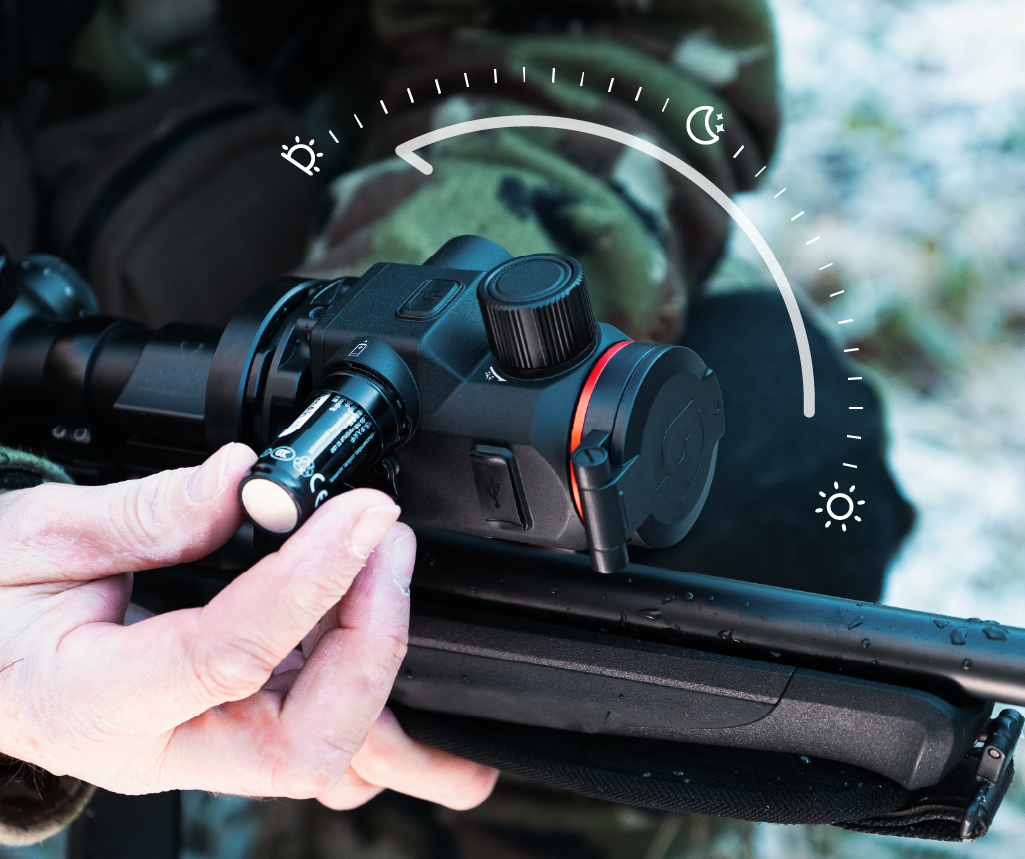
Fresh batteries should be available. Thermal imaging devices consume power continuously, particularly during extended periods of outdoor use.
Carrying spare batteries ensures that your operations are not interrupted due to a depleted power supply.
Conclusion
Thermal binoculars can significantly enhance outdoor visibility, particularly in low-light and nighttime environments. However, beginners can achieve optimal results by mastering proper scanning techniques, understanding the characteristics of thermal signatures, and adapting to outdoor conditions.
By slowing down their scanning speed, selecting appropriate settings, and engaging in regular practice, new users can quickly and confidently utilize thermal imaging observation technology.