

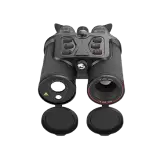
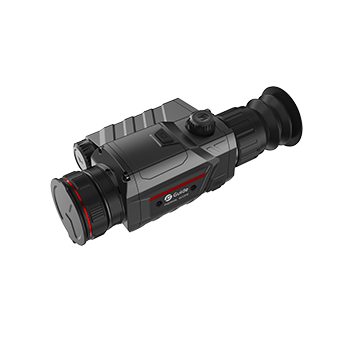
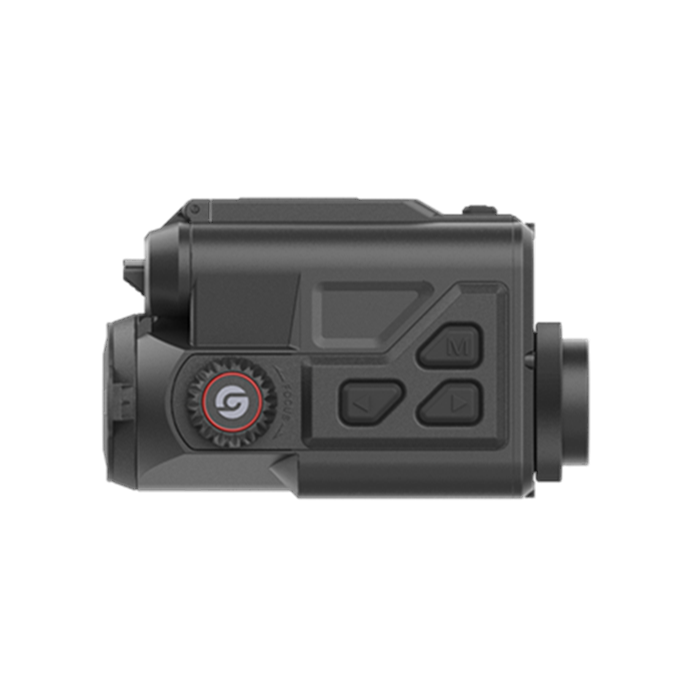
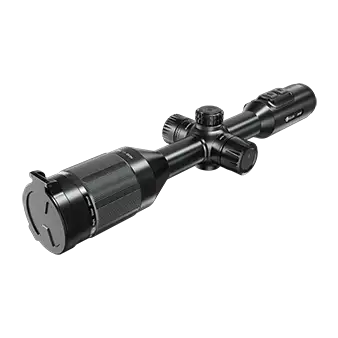


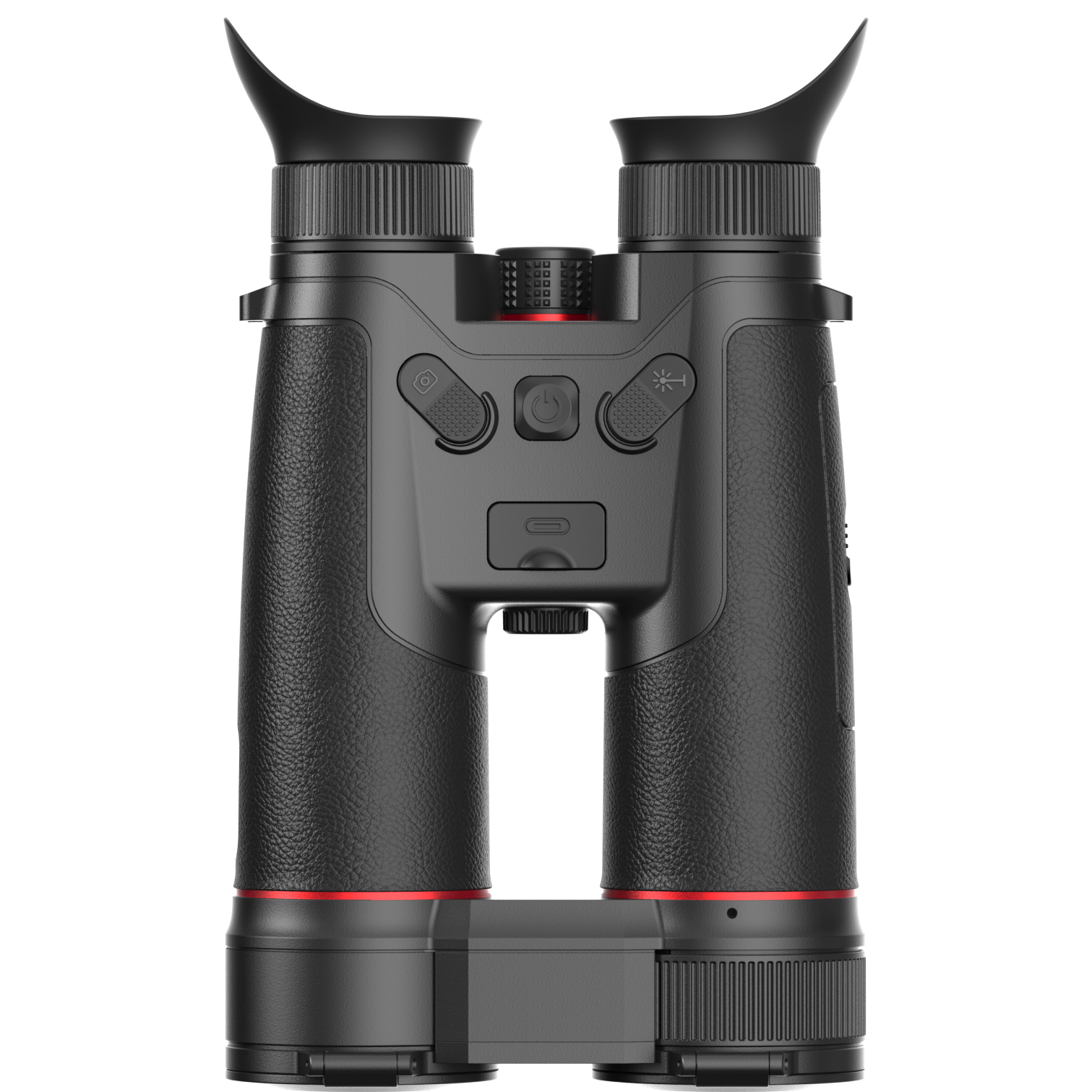
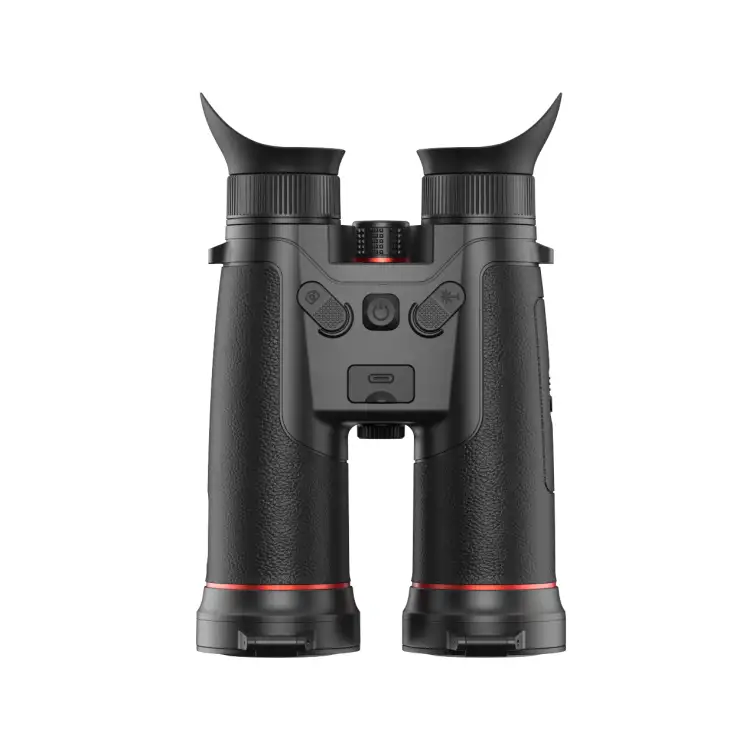
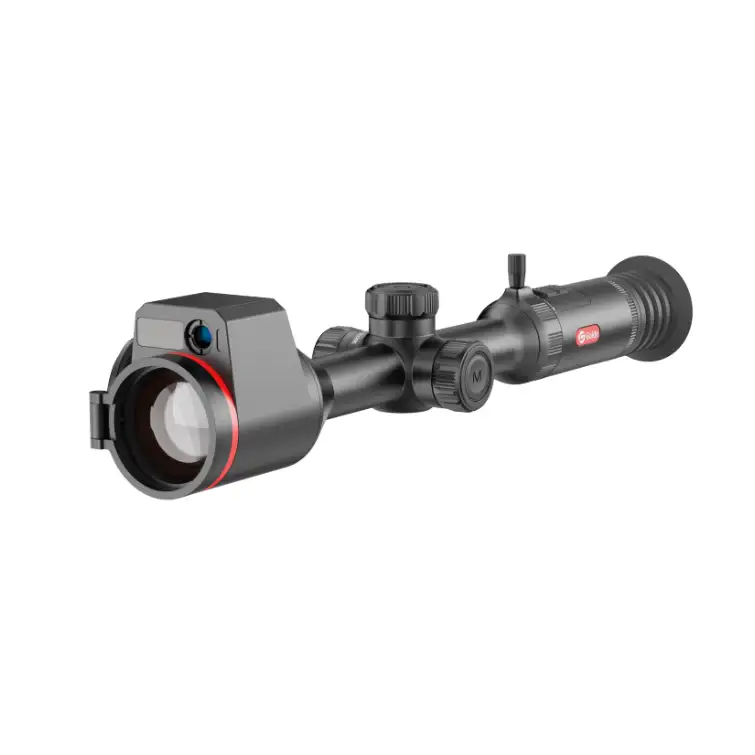
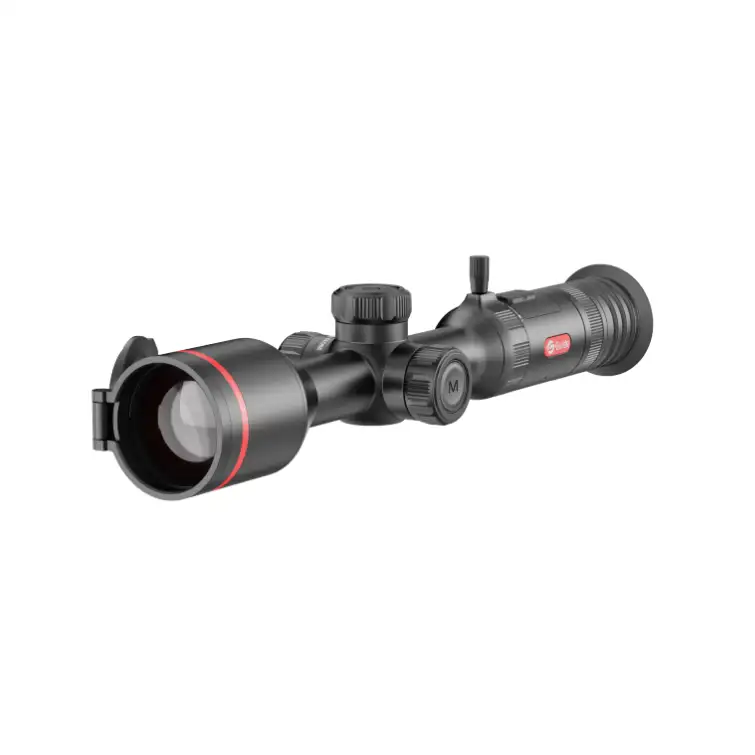
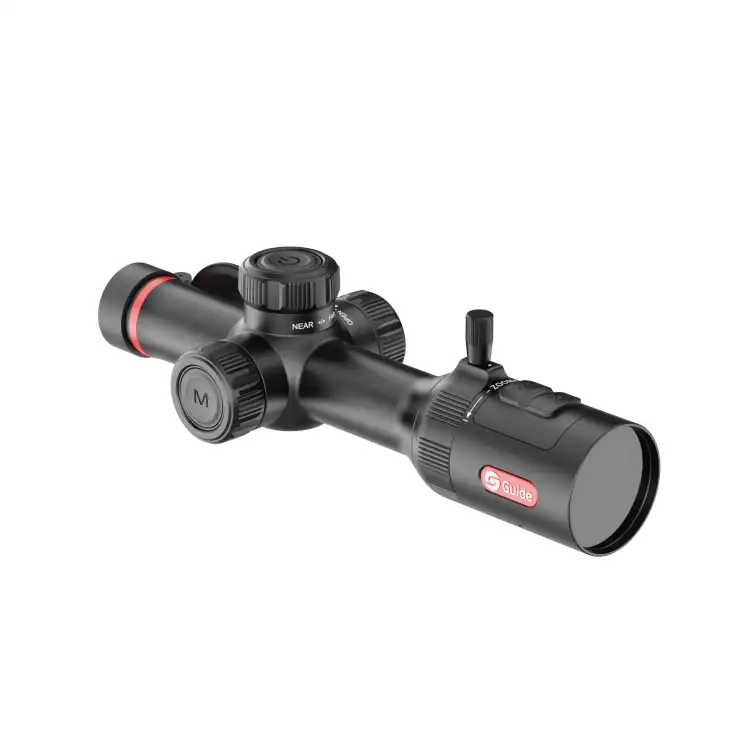
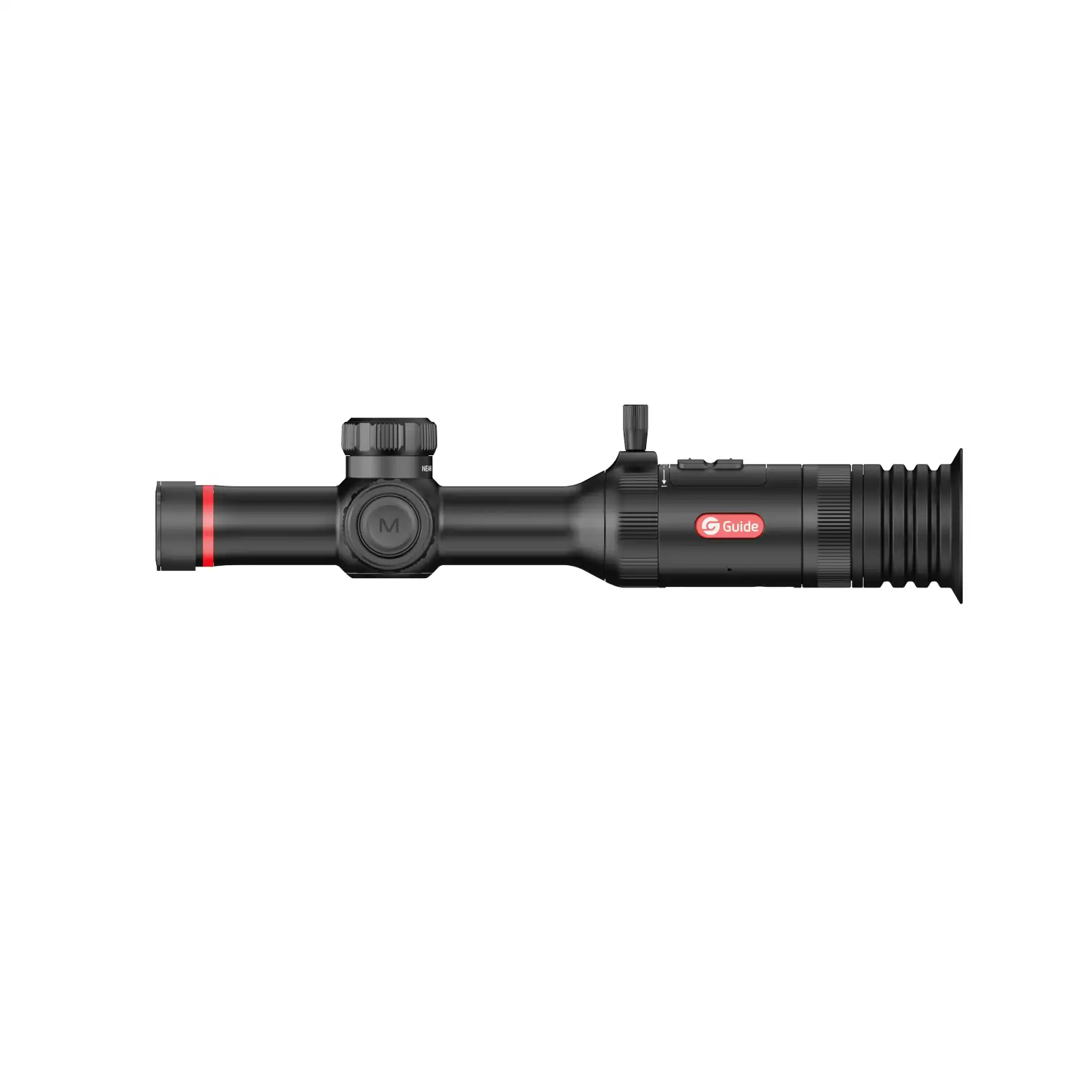
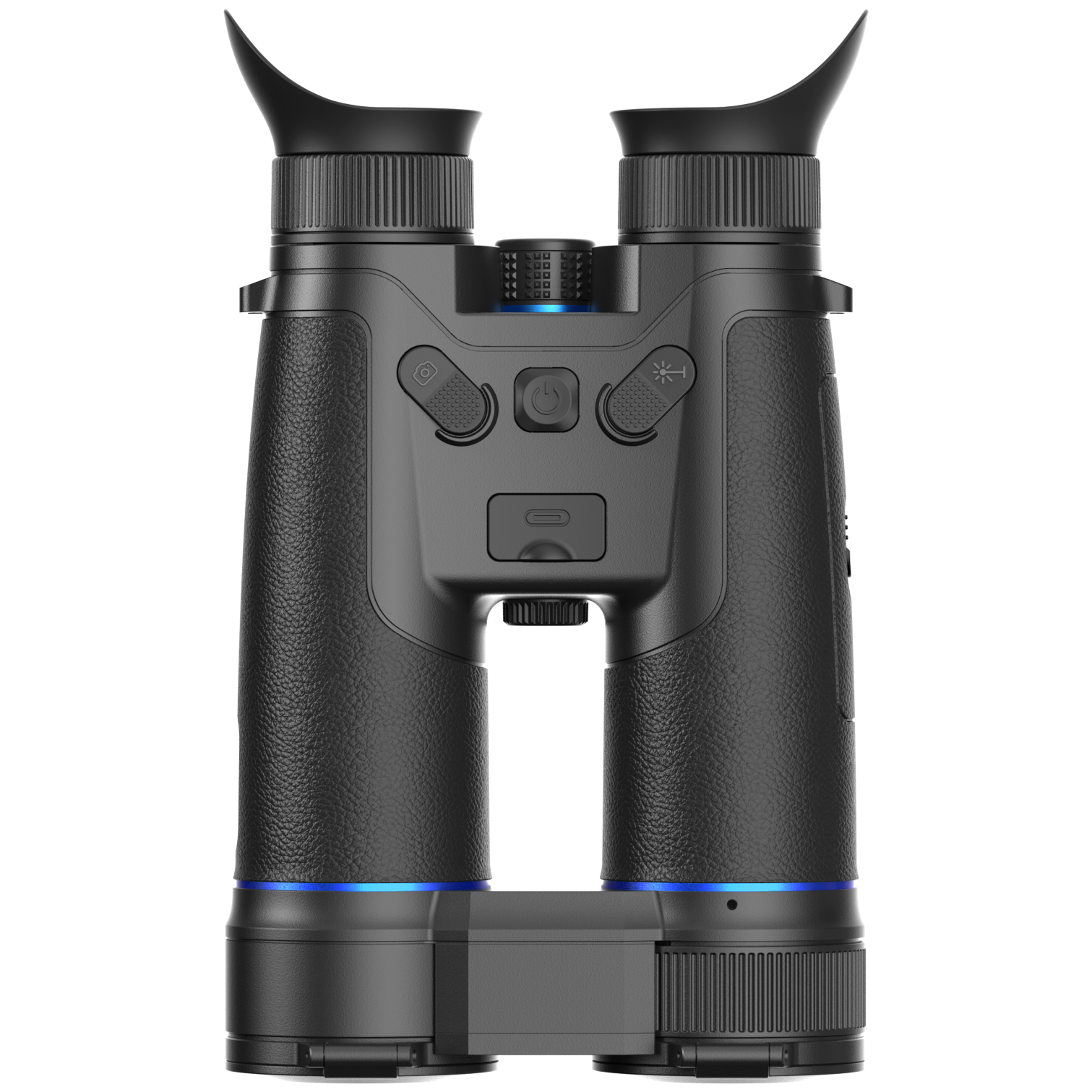


Thermal Hunting Scopes for Tracking Game in Dense Vegetation
Release Time 2026-04-24

Hunting amidst dense vegetation poses one of the greatest challenges for any hunter. Thick grass, brush, and a concealing canopy make it difficult to clearly spot animals, even during the day; at night or under dim lighting conditions, this difficulty increases exponentially.
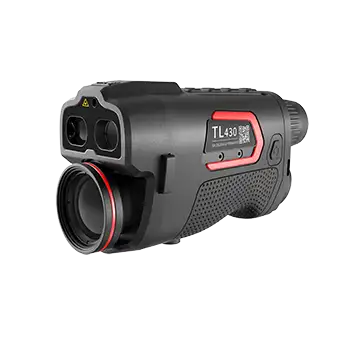
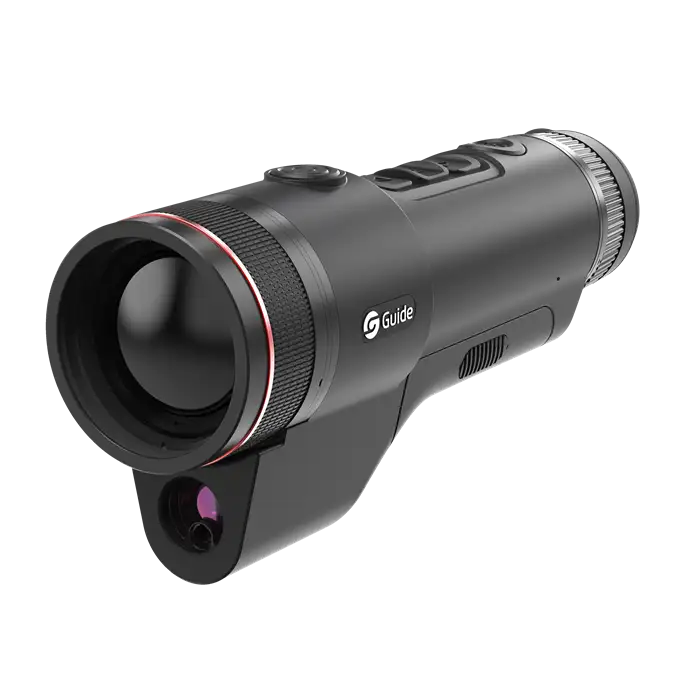
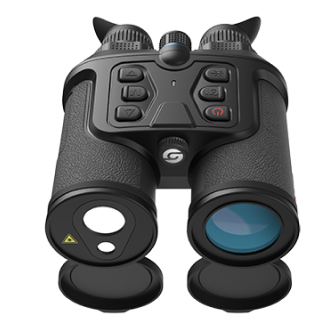
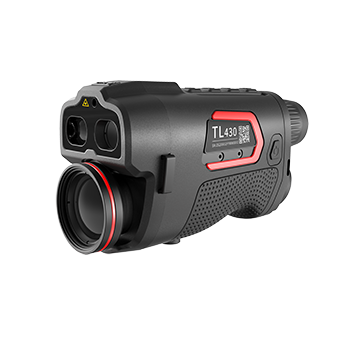
Traditional optical devices often struggle to perform effectively in such environments, as they rely on visible light and an unobstructed line of sight. This is where thermal hunting scopes provide a clear advantage. Instead of relying on light, they can greatly simplify the process of locating and tracking animals—even when the target is semi-concealed.
Why Does Dense Vegetation Increase the Difficulty of Hunting?
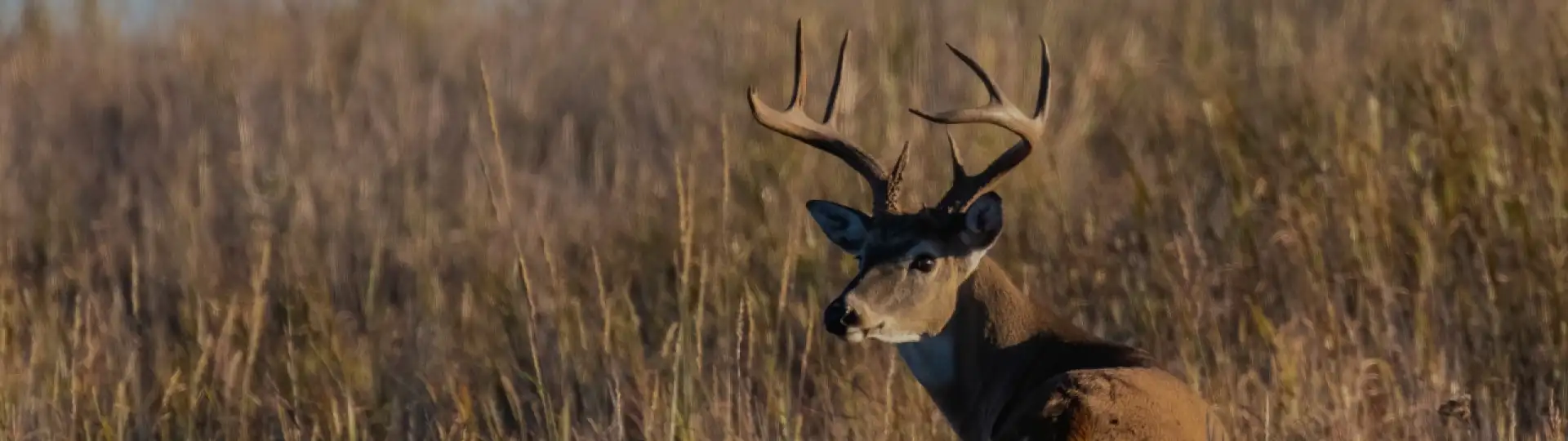
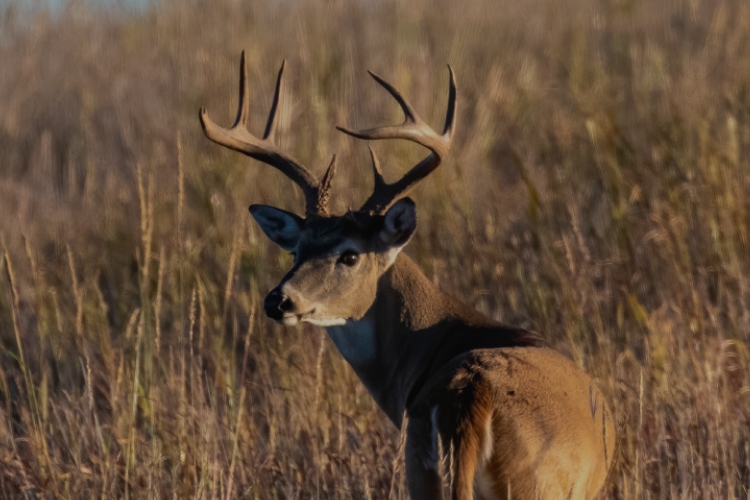
Dense environments such as forests, thickets, and tall grasslands create numerous obstacles for hunters. Animals can conceal themselves behind foliage, branches, or rugged terrain, thereby becoming difficult to spot.
Even when a target does move, it often does so only in a fleeting glimpse before vanishing once again without a trace. In many instances, hunters can only rely on sound or guesswork, and these methods are not always reliable.
It is for this precise reason that possessing a tool capable of detecting heat signatures despite partial visual obstruction and highlighting the target proves to be invaluable.
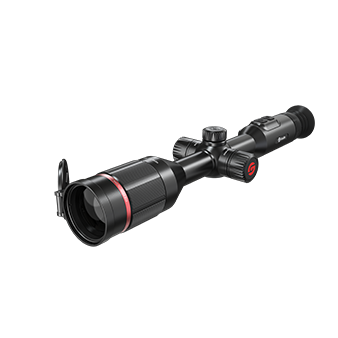
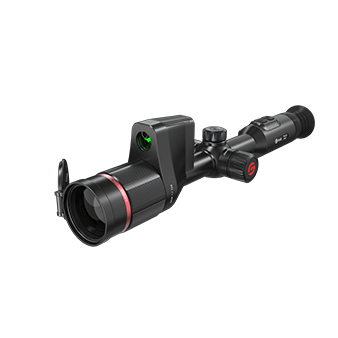
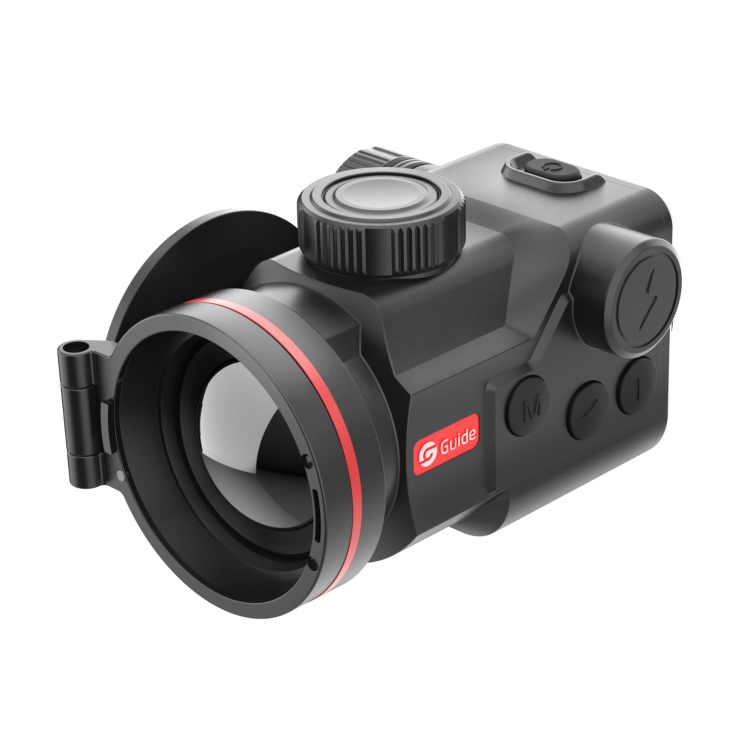
How Thermal Hunting Scopes Improve Visibility
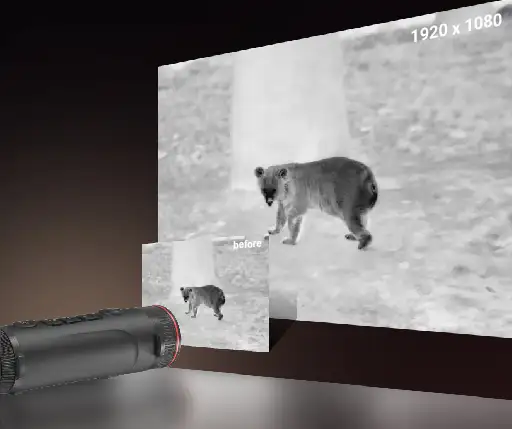
Thermal hunting scopes operate by detecting temperature differences between animals and their surrounding environment. Animals naturally emit heat, making them stand out prominently against cooler backgrounds such as soil, vegetation, or rocks.
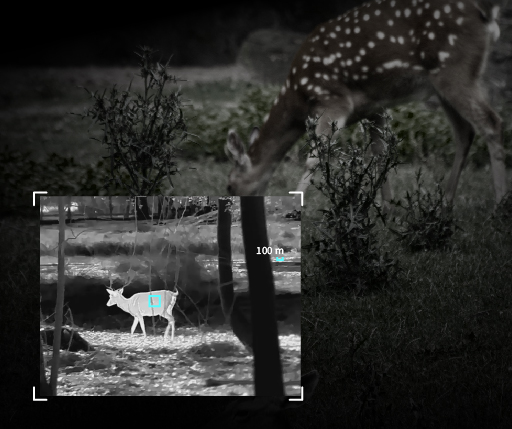
Even when animals are partially obscured by vegetation, their thermal signatures can still be detected through the gaps. This enables hunters to identify targets that would remain completely concealed if viewed through standard optical devices.
This ability to “see through visual clutter” is one of the key reasons why thermal imaging scopes perform so exceptionally well in dense environments.
Tracking Targets More Effectively
In environments with dense vegetation, tracking a target is often more difficult than simply locating it. Animals move silently and can quickly vanish behind cover.
Thermal imaging hunting scopes enable the hunter to track a target's movements. Even when an animal is on the move, its thermal signature remains clearly visible, allowing the hunter to monitor its direction and speed in real time.
Consequently, you need not worry about the target slipping out of sight; instead, you can maintain constant awareness of its location and adjust your own position accordingly. This not only enhances tracking precision but also improves the overall efficiency of the hunt.
Minimize Guesswork, Boost Confidence
In dense terrain, one of the greatest challenges is uncertainty. The hunter may catch a glimpse of subtle movement but be unable to clearly discern exactly what it is.
Thermal imaging scopes reduce this element of guesswork by rendering clearer images based on heat signatures. With this technology, you can confirm whether the movement originates from game and pinpoint its exact location with greater accuracy.
This will give you confidence during the hunt, thereby minimizing the risk of errors.
Exceptional Performance in Low-Light Conditions
Dense vegetation inherently restricts visibility, and low-light conditions make navigating such terrain even more difficult. Hunting in such an environment at dawn, dusk, or night is often extremely challenging.
Thermal scopes remain unaffected by light intensity. Whether operating in darkness, fog, or overcast weather, they consistently deliver stable, reliable performance.
For this reason, thermal scopes are undoubtedly a reliable tool for hunters who need to operate in varied outdoor environments.
Practical Advantages in Real-World Hunting Scenarios
In real-life hunting scenarios, thermal imaging scopes offer a range of practical advantages:
l Faster detection of concealed game
l Easier navigation through vegetation while tracking
l Reduced reaction times
l Less time required for searching
These benefits help hunters remain efficient and focused—even when operating in rugged terrain. You no longer need to rely on luck; instead, you can pinpoint your target with confidence, guided by clear thermal imagery.
Designed for Tough Outdoors
Thermal scopes for hunting are specifically engineered to withstand a wide variety of outdoor conditions. Many models are not only rugged and highly weather-resistant but also built to last, ensuring long-term durability and reliability.
They are capable of effortlessly handling rugged terrain, damp climates, and extreme temperature fluctuations, making them ideal for hunting in forests and dense, heavily vegetated environments.
It is precisely this exceptional durability that enables them to maintain consistent, stable performance throughout extended hunting expeditions.
Conclusion
Tracking prey through dense vegetation is by no means an easy task, but thermal hunting scopes make this undertaking significantly easier and more feasible. By detecting heat sources rather than relying on visual visibility, they enable hunters to locate and track animals more effectively.
With their more precise tracking capabilities, reduced reliance on guesswork, and reliable performance in low-light conditions, thermal imaging scopes demonstrate significant advantages in challenging environments. For hunters who frequently operate amidst dense vegetation, this tool serves not merely as a capable aid, but as an indispensable asset for achieving superior results in the field.