





Why Thermal Imaging Scopes Give Hunters an Advantage at Long Range After Dark
Release Time 2026-06-03

Night hunting becomes even more difficult when visibility is reduced. At greater distances, animals may disappear into the darkness, bushes, or rugged terrain long before hunters can detect them using traditional optical equipment.
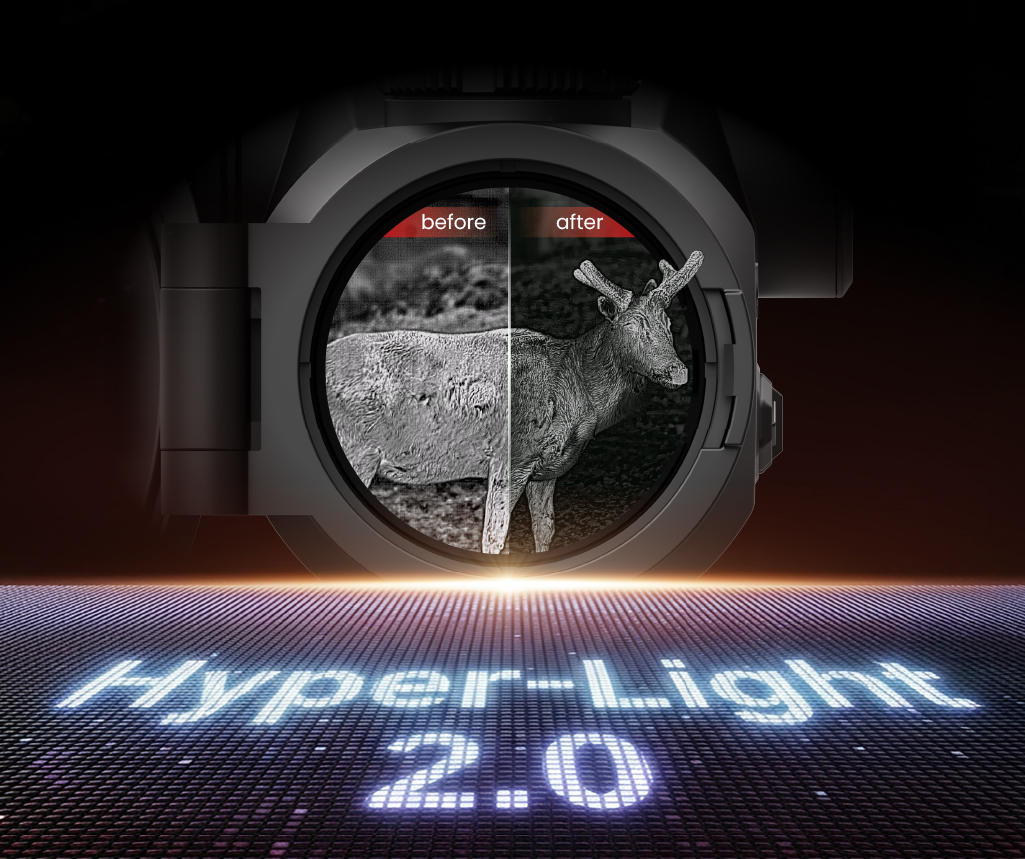
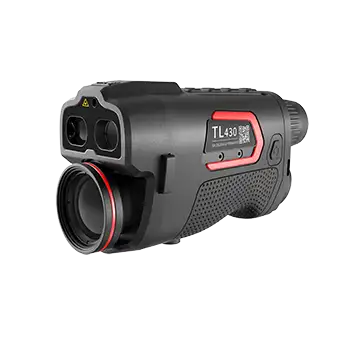
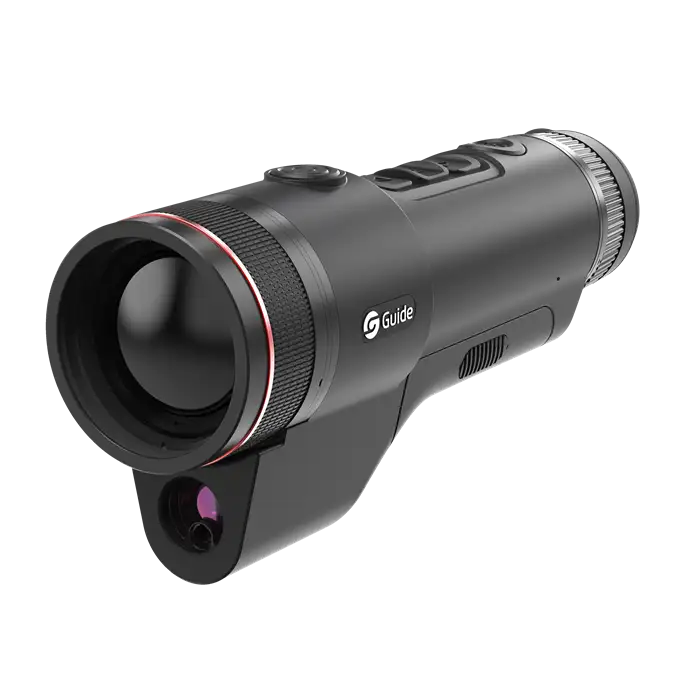
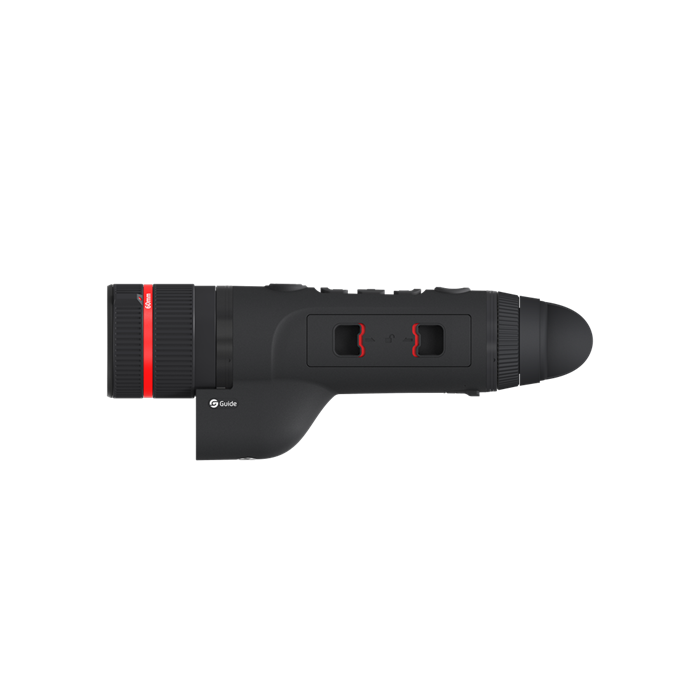
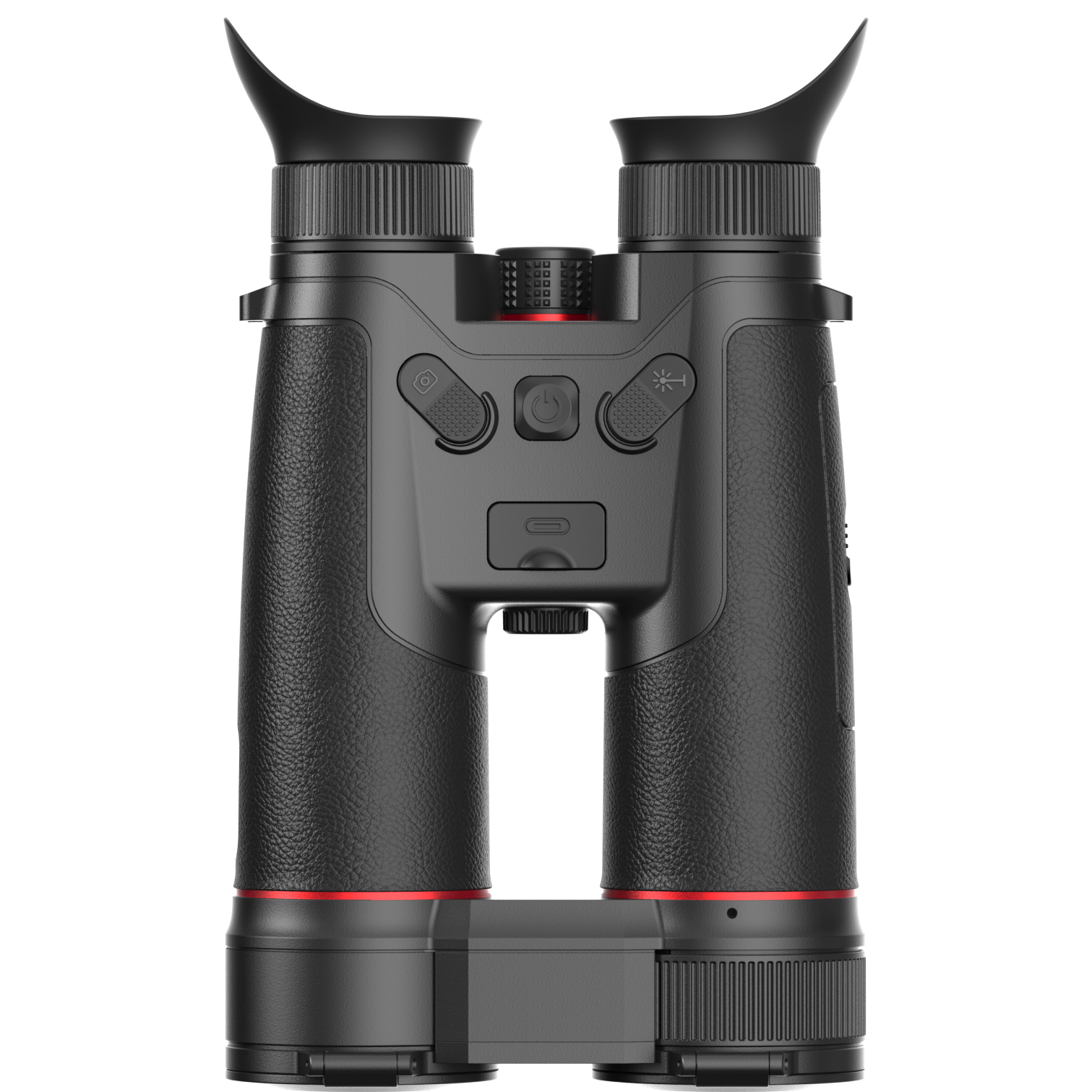
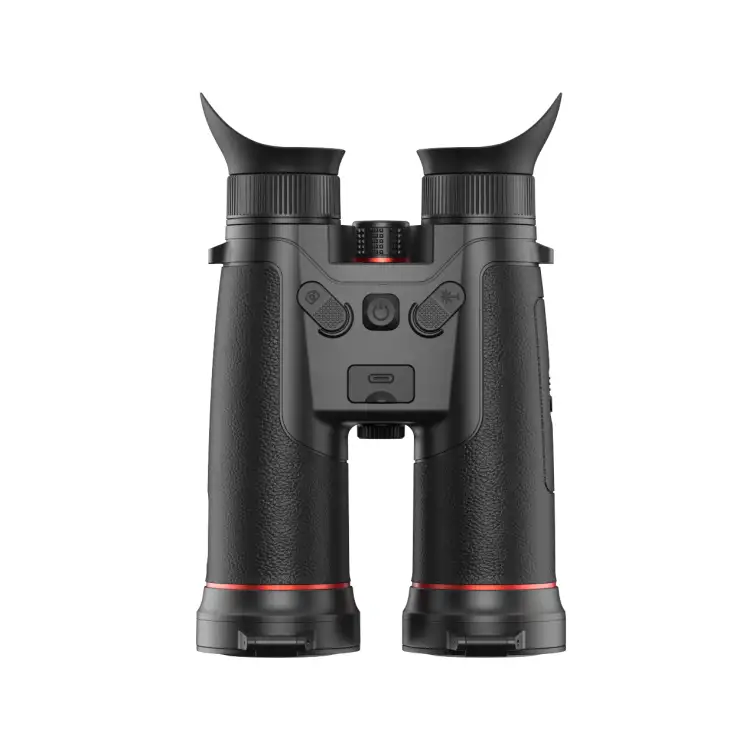
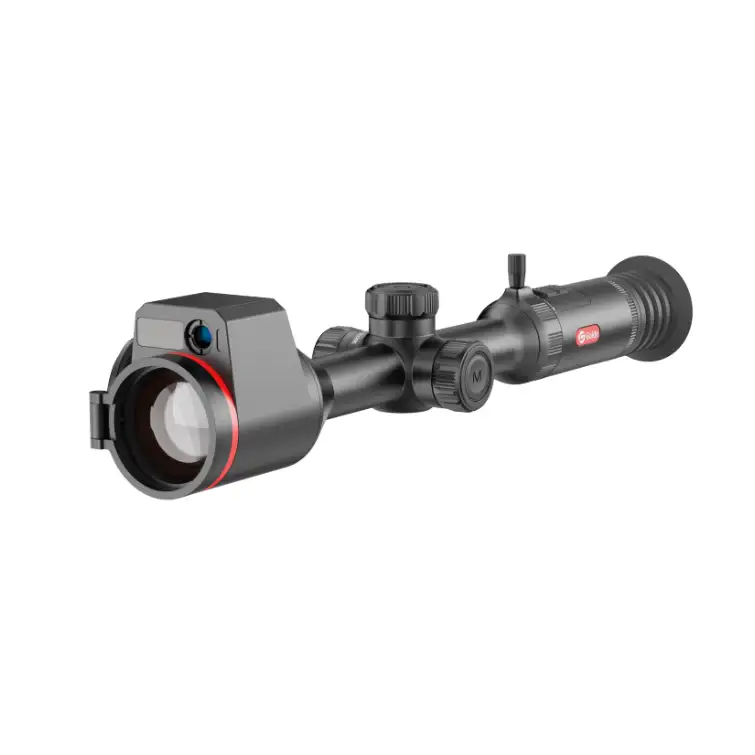
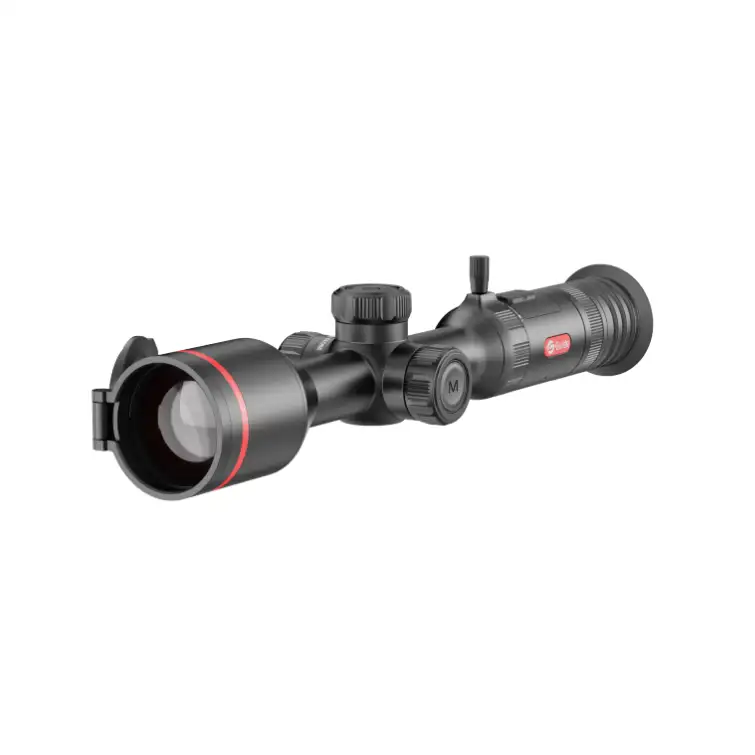
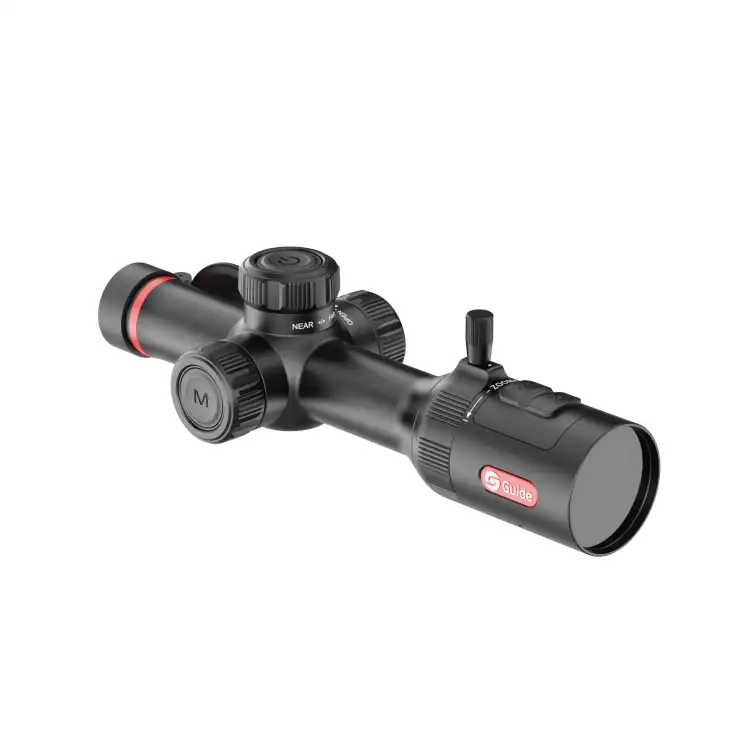
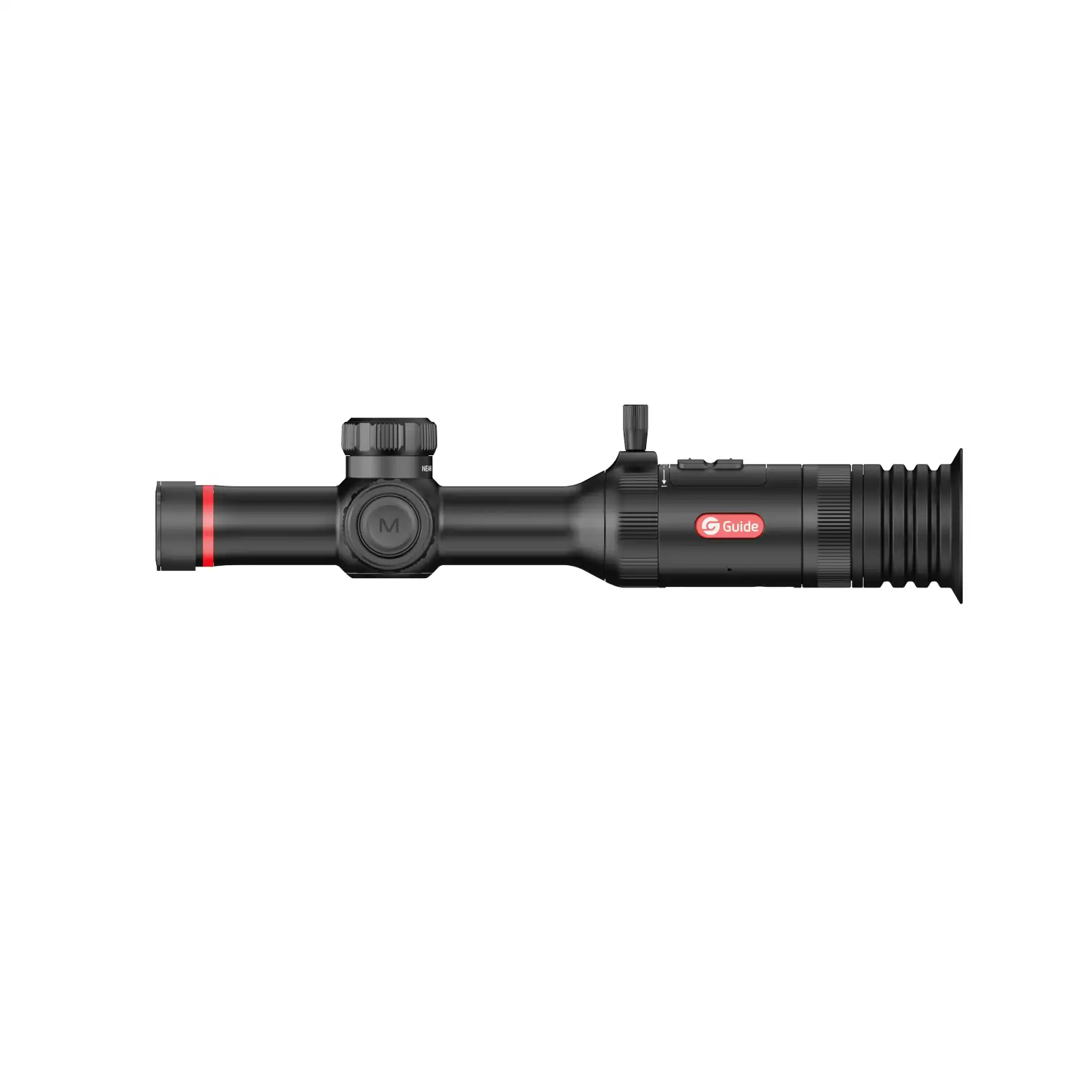
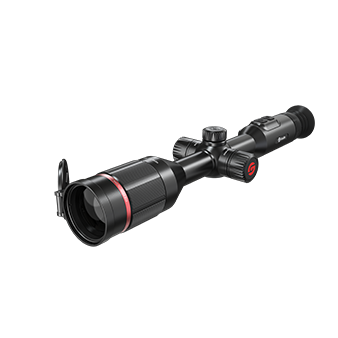
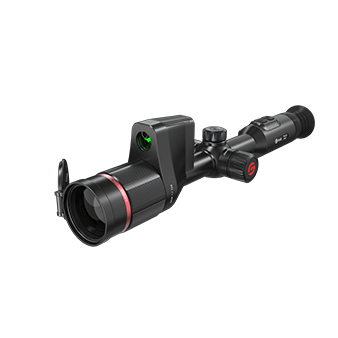
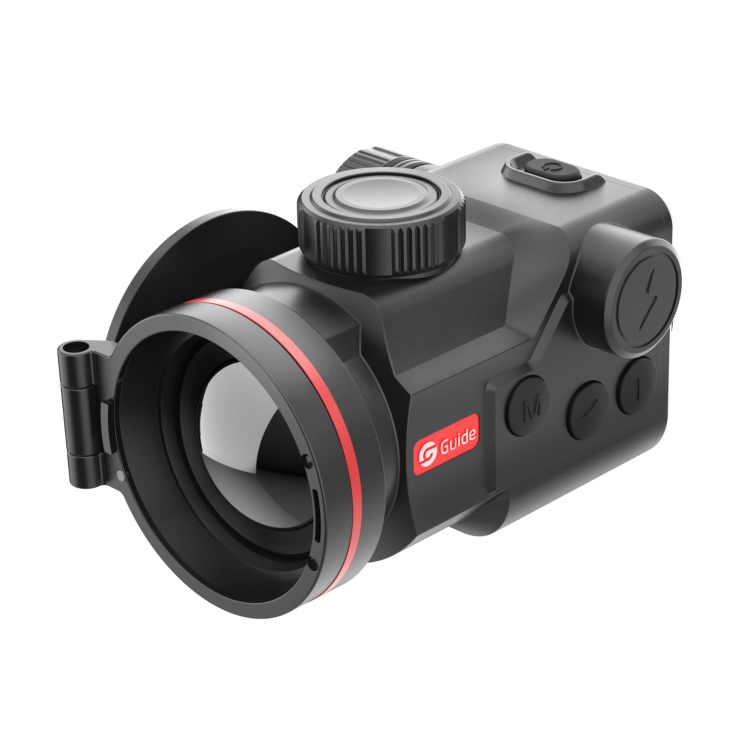
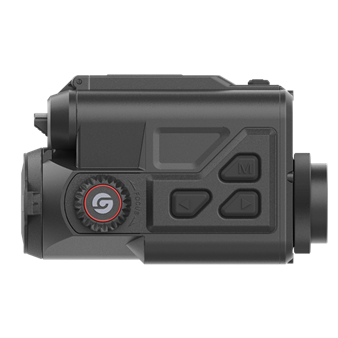
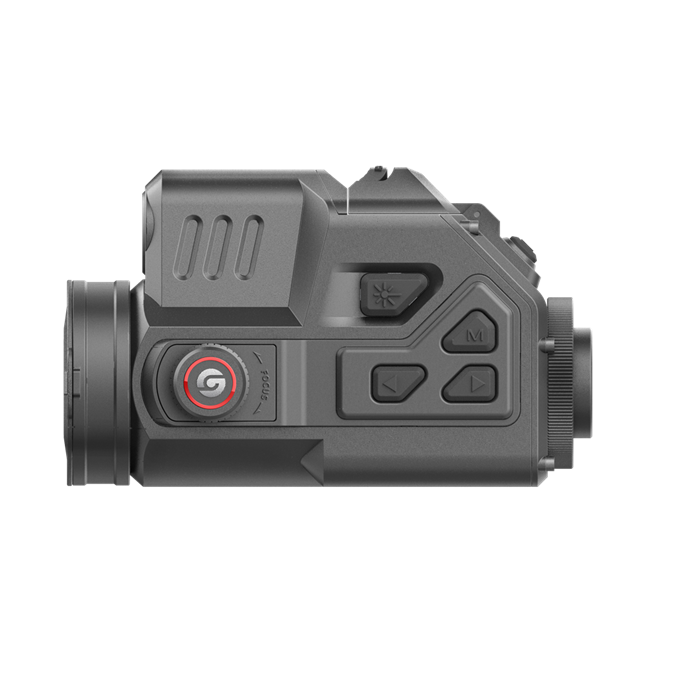
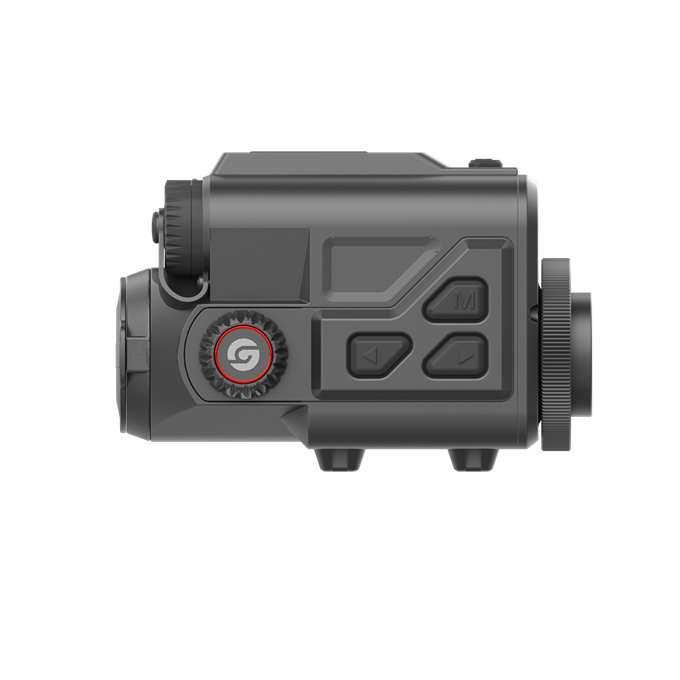
This is one of the reasons why many hunters today prefer using thermal imaging scopes for long-range night hunting. Thermal imaging scopes do not depend on visible light but detect heat signals, making it easier to spot prey in dark environments.
For hunters who hunt at night in open plains, forest edges, farmland, or shrub-covered areas, thermal imaging technology offers significant advantages in terms of visibility, target detection, and on-site awareness.
Better Visibility Even in Complete Darkness
Traditional scopes rely heavily on natural light.
Even with moonlight or regular night vision devices, long-range visibility is still limited. Shadows, tall grass, and rugged terrain can easily obscure the movement of a target.
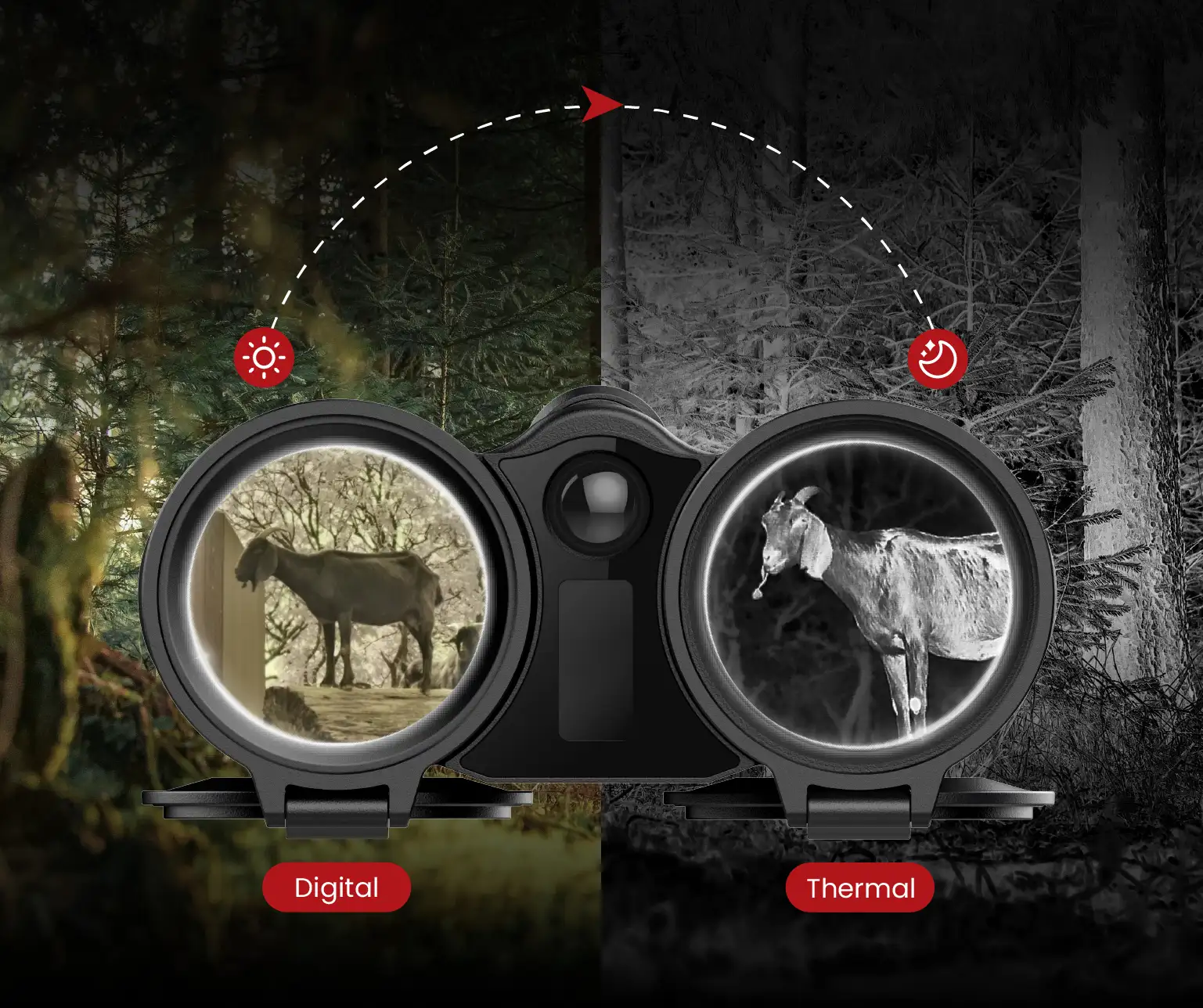
Thermal imaging scopes function differently. They detect infrared heat, not visible light, making animals stand out against a cooler background.
This makes long-distance observation at night much easier.
Easier Target Detection at Long Range
One of the biggest challenges of long-distance hunting is quickly spotting moving targets.
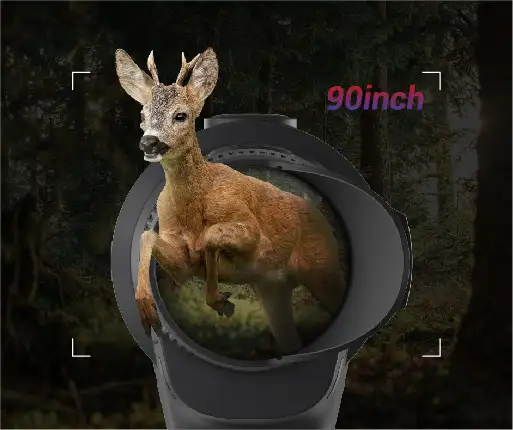
Animals typically move silently, partially concealed in bushes or grass. At greater distances, they are even more difficult to spot using ordinary optical scopes.
The benefit of thermal imaging scopes is that even when the animal's body details are difficult to discern, the thermal signature can be clearly detected.
Hunters can scan large areas more efficiently and detect their movements much faster before they disappear into cover.
Suitable for Open Areas and Farmland
Long-distance night hunting typically takes place in open outdoor settings.
Large fields, farmland, and open terrain make moving targets difficult to spot with the naked eye. Animals may blend into shadows or dim backgrounds.
Thermal scopes help hunters scan large areas more efficiently by making heat signatures easier to identify at a distance.
This helps reduce the time wasted scanning in open areas.
Superior Performance in Low Visibility Conditions
Nighttime weather isn't always clear.
Fog, moisture, light rain, and dust all reduce outdoor visibility. Traditional optical scopes often perform poorly in such situations.
However, thermal scopes do better because they focus on temperature differences rather than relying entirely on visible light.
This helps hunters maintain a better field of vision in adverse weather conditions.
Respond to Animal Movement Faster
At long ranges, animals may be seen for just a second before quickly disappearing into bushes, trees, or behind terrain.
Thermal scopes make hunters respond faster since animal movement is more easily identified through thermal contrast.
Hunters can instantly focus on the thermal signal without having to search for details.
This saves time and improves overall hunting efficiency.
Reduce Eye Strain During Night Hunting
Prolonged nighttime observation is exhausting.
Hunters who use traditional optical scopes often experience eye strain when identifying targets at night. This becomes more pronounced after scanning large areas for extended periods.
Thermal hunting scopes simplify target detection by making animals stand out from their surroundings through thermal contrast.
Reduced visual fatigue allows hunters to maintain focus for longer periods in the wild.
Better Results are Achieved in Bushes and Tall Grass
Long-distance hunting is not always possible in open areas.
Bushes, tall grass, and the sides of trees can partially conceal animals, especially at night.
Thermal imaging scopes help detect moving objects and thermal signatures that might be missed by ordinary optical scopes in complex terrain.
Even if the animal isn't fully visible, hunters can still more easily pinpoint its location.
Increasing Situational Awareness
Successful night hunts depend on more than just spotting a single target.
Hunters must also have an awareness of their surroundings and changes in the environment.
Thermal imaging scopes help users quickly scan a wider area and identify multiple heat sources simultaneously, thus improving overall situational awareness.
This helps hunters better understand their surroundings before making decisions.
Suitable for Modern Night Hunting
Modern hunters typically prefer equipment that enhances efficiency without adding unnecessary complexity.
Thermal scopes perfectly merge the advantages of long-range visibility, rapid target detection, and nighttime performance.
For hunters who frequently operate in dark outdoor environments, thermal imaging technology has become a practical and reliable solution.
Conclusion
Thermal imaging scopes are ideal for long-range night hunting because they significantly enhance the field of view, which is difficult to achieve with traditional optical scopes.
Thermal imaging scopes help hunters locate targets faster, be constantly aware of their surroundings, and hunt more efficiently in the dark by detecting heat signals rather than relying solely on light.
Whether hunting in open farmland, dense bushland, or dimly lit terrain, thermal imaging technology offers a significant advantage for modern night hunting.