

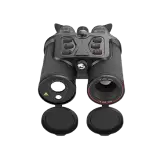
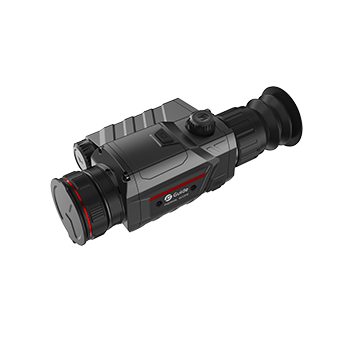
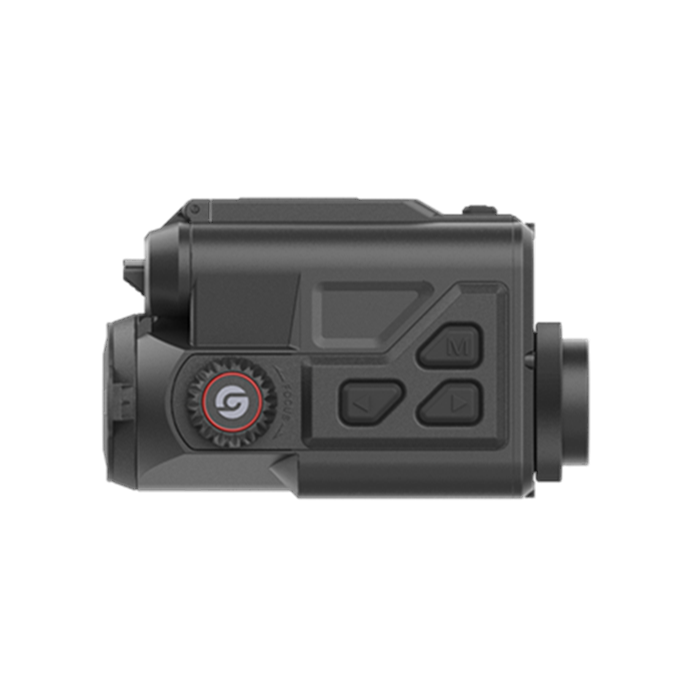
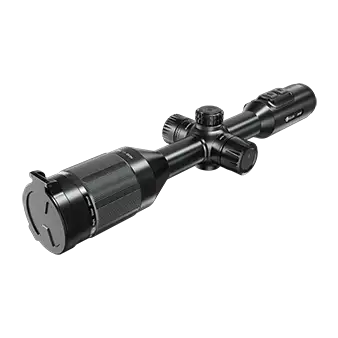


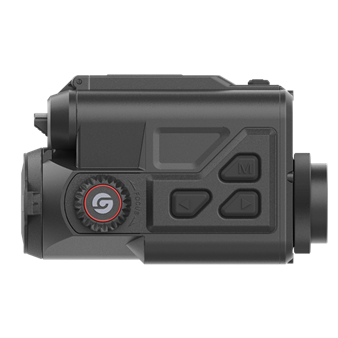
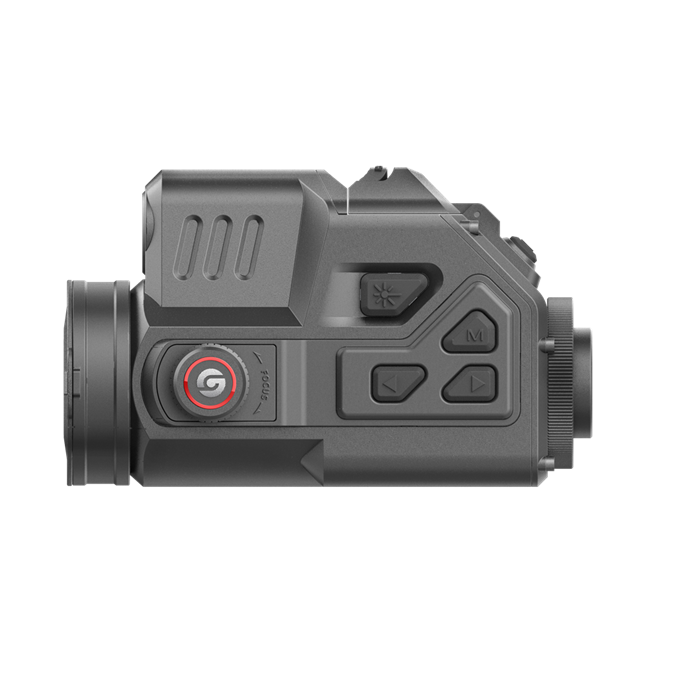
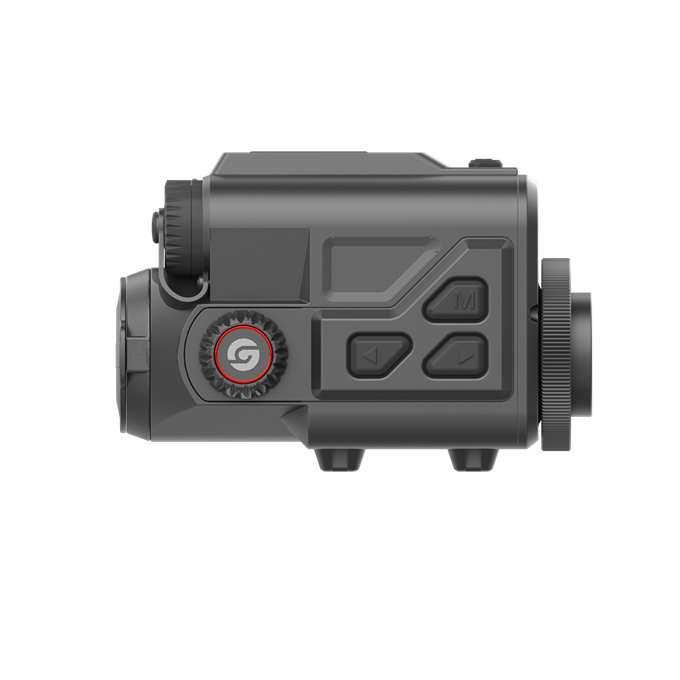


How to Scan Hunting Areas Efficiently with a Handheld Thermal Imaging Monocular
Release Time 2026-06-05

Finding game quickly is one of the biggest challenges in hunting, especially in low-light conditions or across large hunting areas. Walking through every part of the terrain takes time, creates noise, and may disturb animals before the hunt even begins.
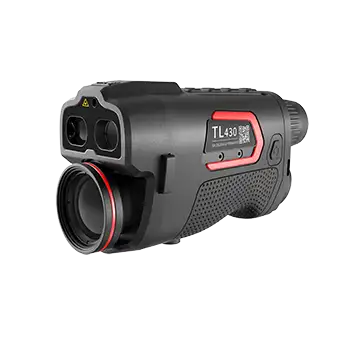
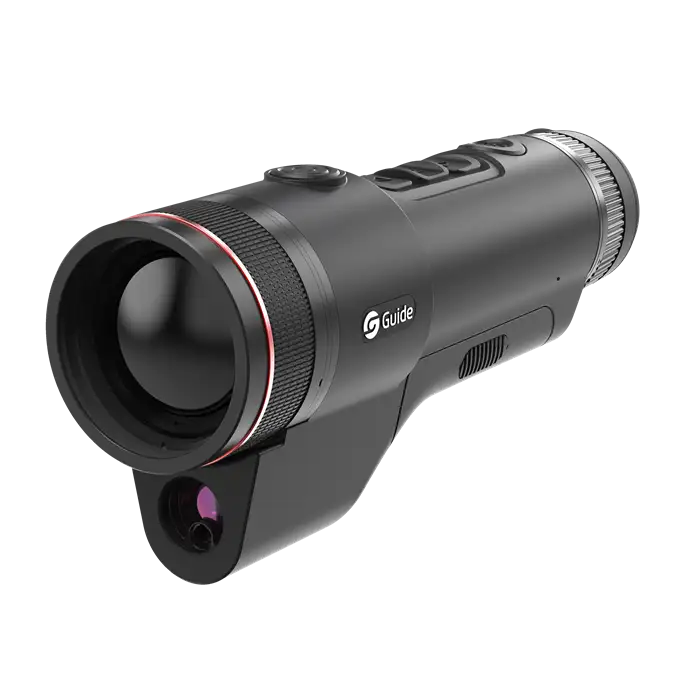
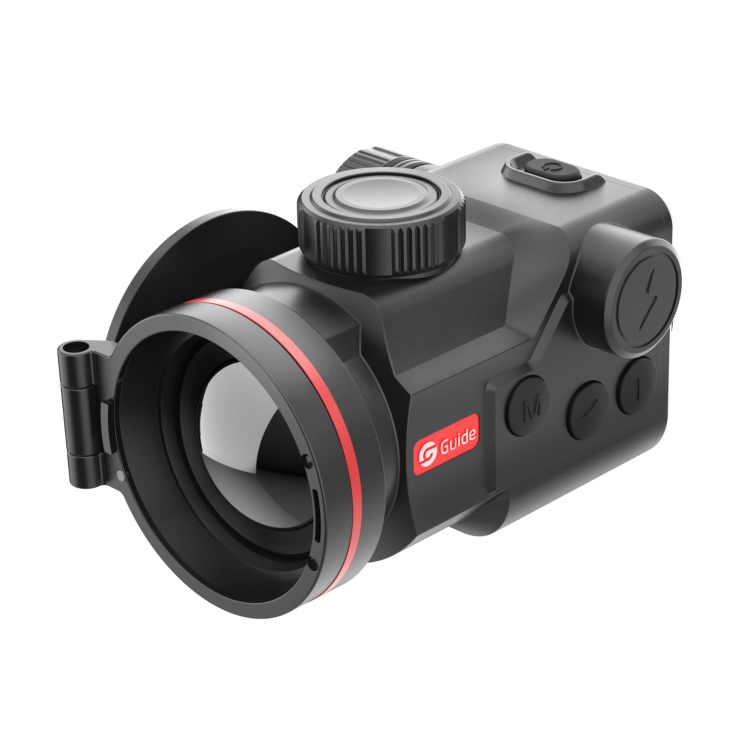
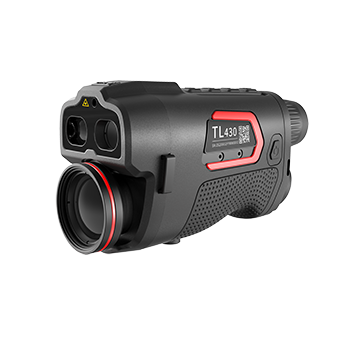
That's why many hunters use handheld thermal imaging monoculars. By detecting thermal signatures rather than visible light, these devices enable users to locate animals more quickly and search wider areas with less effort.
But having the thermal monocular is only half the battle. Knowing how to use it efficiently is the true key to a successful hunt.
Scan from High Ground
One of the most effective ways to improve scanning efficiency is to select the highest possible vantage point.
Mountain peaks, ridges, elevated land, and raised hunting stands all offer a more expansive field of view. By positioning themselves at these locations, hunters can scan wide areas without having to traverse the terrain.
Handheld thermal monoculars enable the rapid detection of heat sources from a distance across open terrain, forest edges, and thick brush.
The wider the field of view from a single vantage point, the greater the search efficiency.
Scan Slowly and Systematically
A common mistake is scanning too quickly.
Rapid movement can cause hunters to miss faint heat signatures or overlook partially concealed animals. Therefore, move your monocular slowly from one side of the area to the other.
Many experienced hunters use a grid pattern when scanning. They divide the area into several sections, meticulously searching every corner of the current section before moving on to the next.
This method helps minimize the risk of overlooking targets and ensures comprehensive and consistent coverage of the search area.
Focusing on High-Activity Zones
Within a hunting area, animal activity levels differ from spot to spot.
Certain specific locations inherently possess characteristics that attract wildlife, including:
l Feeding grounds
l Water sources
l Game trails
l Field edges
l Forest clearings
By prioritizing scans of these locations, hunters can boost their chances of spotting animals more quickly.
Understanding the behavioral habits of local wildlife can make thermal imaging scans even more efficient.
Use Thermal Scanning Before Entering the Area
A common mistake many hunters make is walking directly into the hunting area without first confirming whether there are any signs of animal activity.
By using a handheld thermal monocular, hunters can conduct preliminary observations from a distance.
By scanning the surroundings before moving, a hunter can find an animal's exact location, thereby avoiding any unnecessary disturbance. This practice is particularly effective during the pre-hunt scouting.
Less disturbance often results in more natural animal behavior, which, in turn, leads to better hunting opportunities.
Scanning During Peak Activity Periods
Timing is important for a successful scan.
Most animals are typically most active during the following periods:
l Early morning
l Late evening
l At night
Scanning with a handheld thermal imaging monocular during these times often produces superior results because animals are actively moving, feeding, or traveling between different habitats.
Conversely, scanning inactive areas during the midday hours may result in a relatively lower probability of spotting game.
Watch for Faint Thermal Signals
Not all heat sources are large or obvious.
Animals sometimes remain partially hidden behind bushes, tall grass, or trees. When viewed through thermal imaging, only a small portion of their bodies may be visible.
Hunters should spend more time exploring any anomalous hotspots, rather than dismissing them hastily.
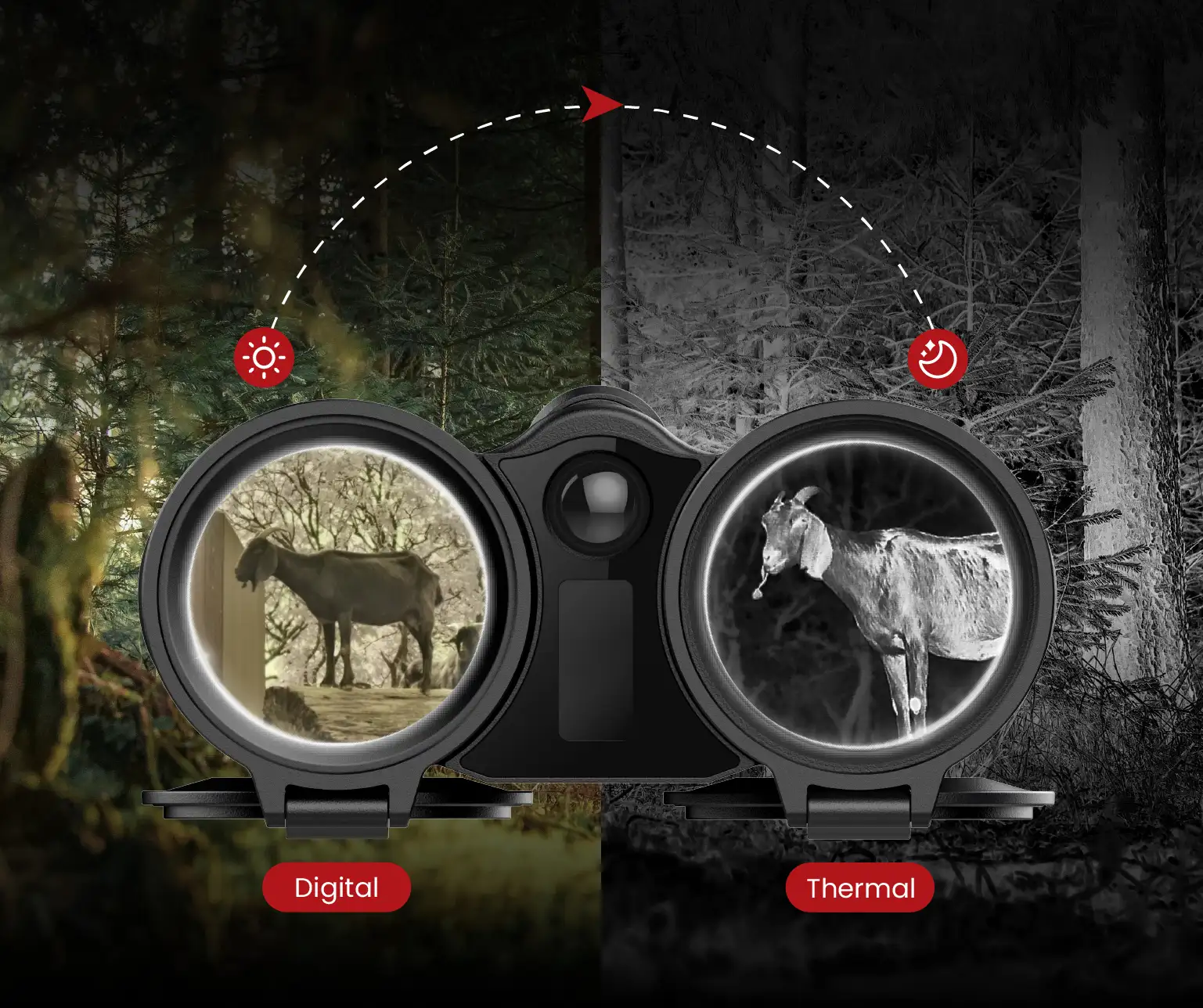
Faint thermal signals can often reveal animals that would be difficult to spot using standard optical equipment.
Combining Thermal Detection with Observation Skills
Thermal imaging technology helps in locating heat sources, yet keen observation skills remain absolutely important.
Once a heat source has been identified, the hunter should continue to observe the area closely to discern the target's movement patterns and behavioral habits.
Thermal imaging monoculars work at their absolute best when combined with an understanding of the terrain, animal behavior, and environmental conditions.
Technology helps spot animals, while experience enables one to interpret the deeper significance of what is observed.
Minimize Unnecessary Movement
Efficient searching involves not only locating game but also avoiding detection.
Frequent movement within a hunting area startles wildlife, thereby reducing subsequent hunting opportunities.
Hunters can use handheld thermal monoculars to conduct long-range searches, allowing them to gather information while remaining concealed.
This strategy typically enhances overall hunting success rates.
Conclusion
Handheld thermal monoculars are among the most effective tools for efficiently scanning hunting areas.
By selecting elevated vantage points, employing a systematic scanning method, focusing on areas with high animal activity, and conducting observations during peak activity hours, hunters can locate targets more quickly and cover a wider area with less physical effort.
When used properly, handheld thermal monoculars not only help hunters better understand what is happening in the field and minimize unnecessary movement, but also assist them in making more informed decisions both before and during the hunt.