



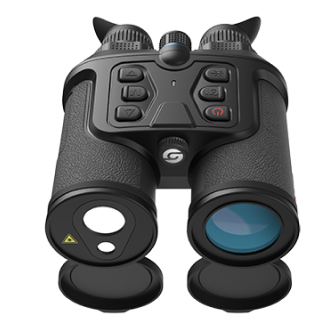
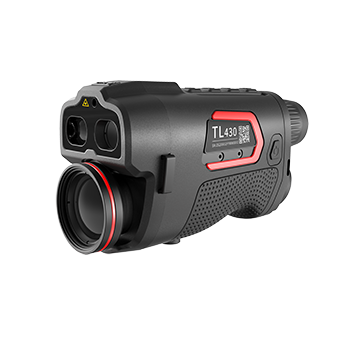




Hunting at Night Made Simple with Thermal Imaging Attachments
Release Time 2026-03-12

Night hunting is becoming increasingly popular among hunters worldwide. Many animals, like wild boar, pests, and other predators, are active at night. However, night hunting faces a major challenge: visibility.
Traditional optical equipment does not function effectively in low-light conditions. Even under moonlight, animals easily blend into their surroundings. Thermal imaging attachments, however, are a great advantage for hunters. By detecting heat rather than visible light, these devices allow hunters to identify animals in complete darkness.
For hunters seeking a better hunting experience, thermal imaging attachments are rapidly becoming an essential tool.
What Is a Thermal Imaging Attachment?
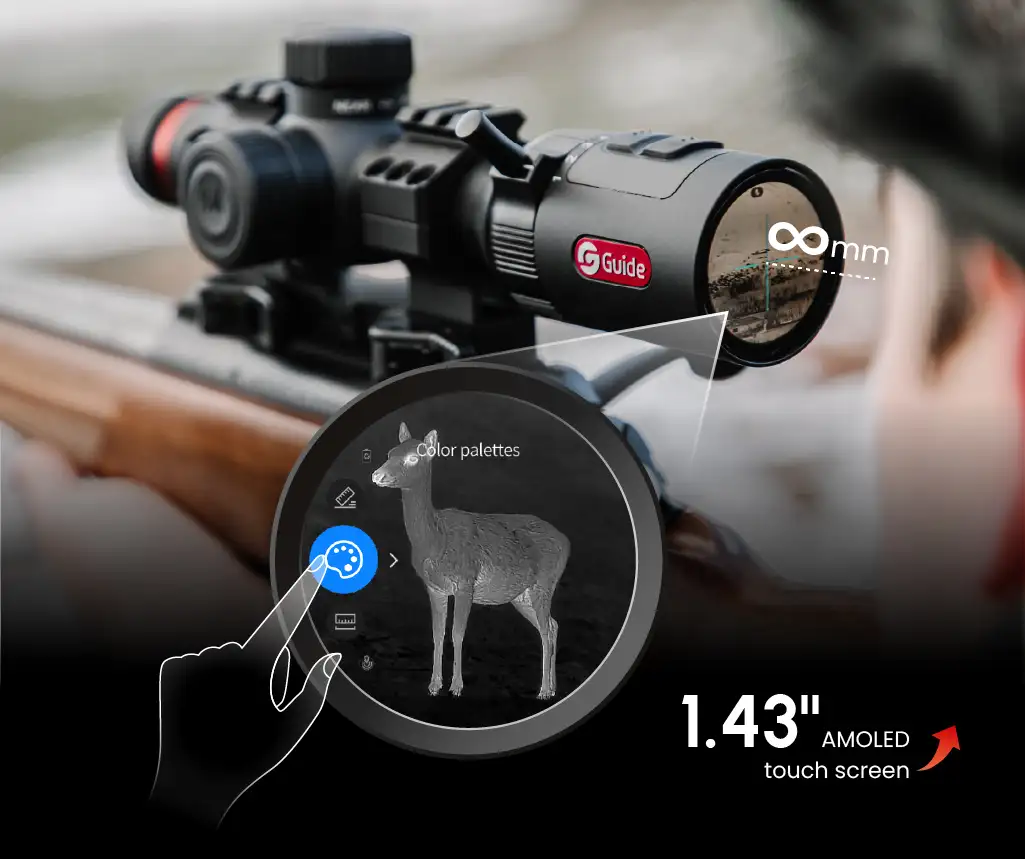
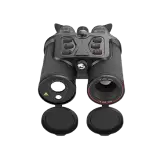
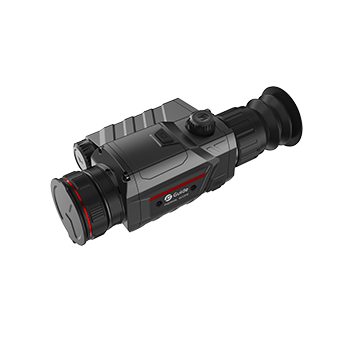
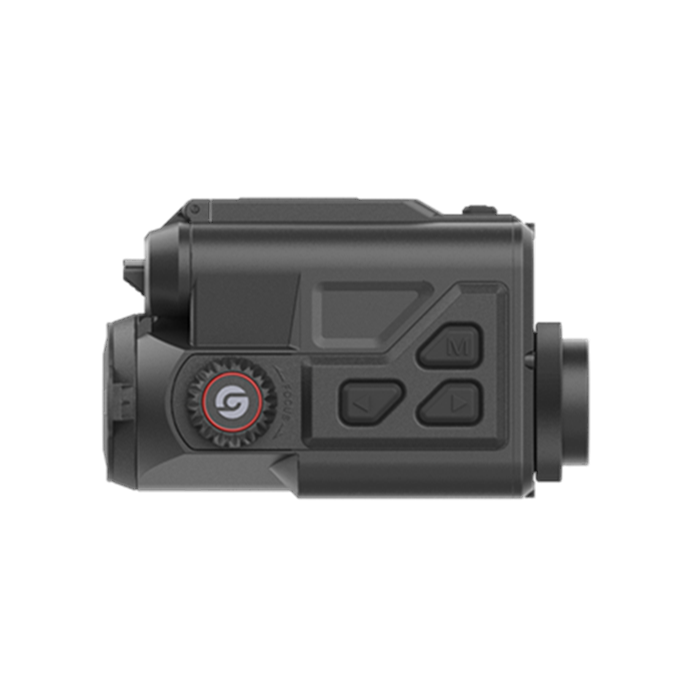
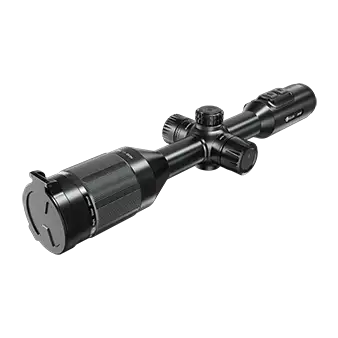
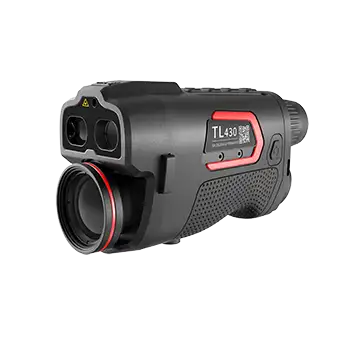
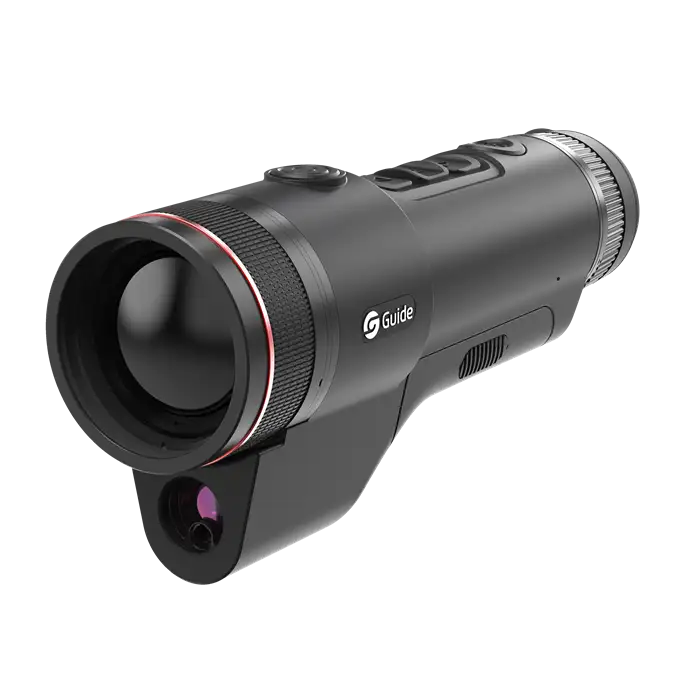
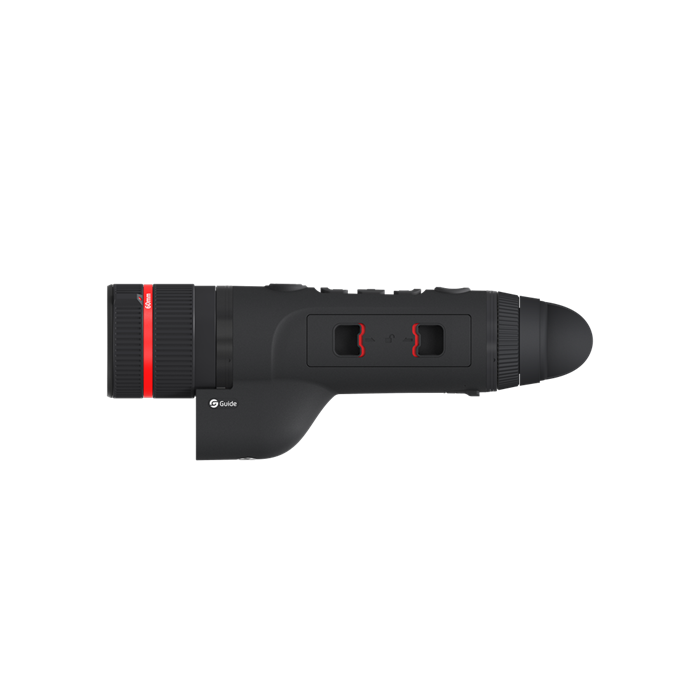
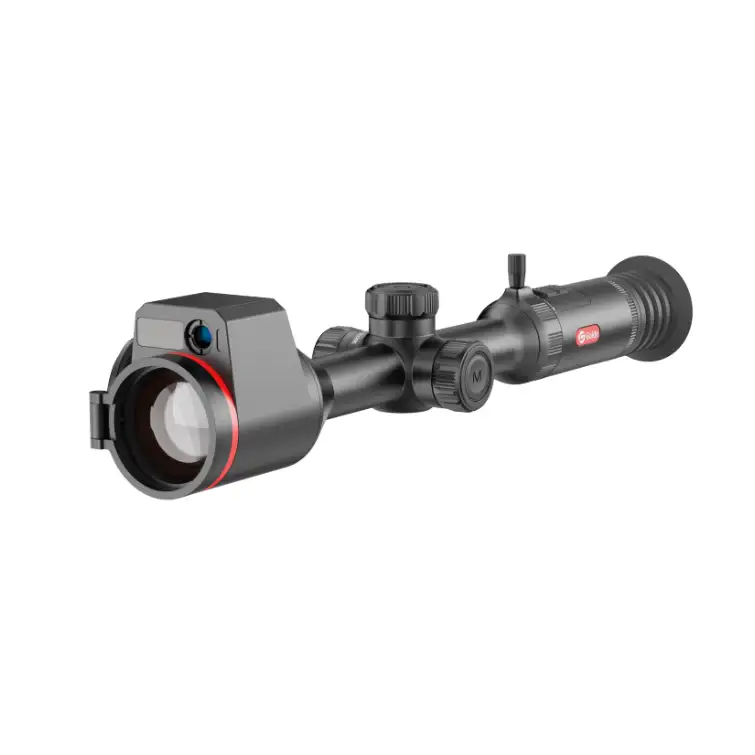
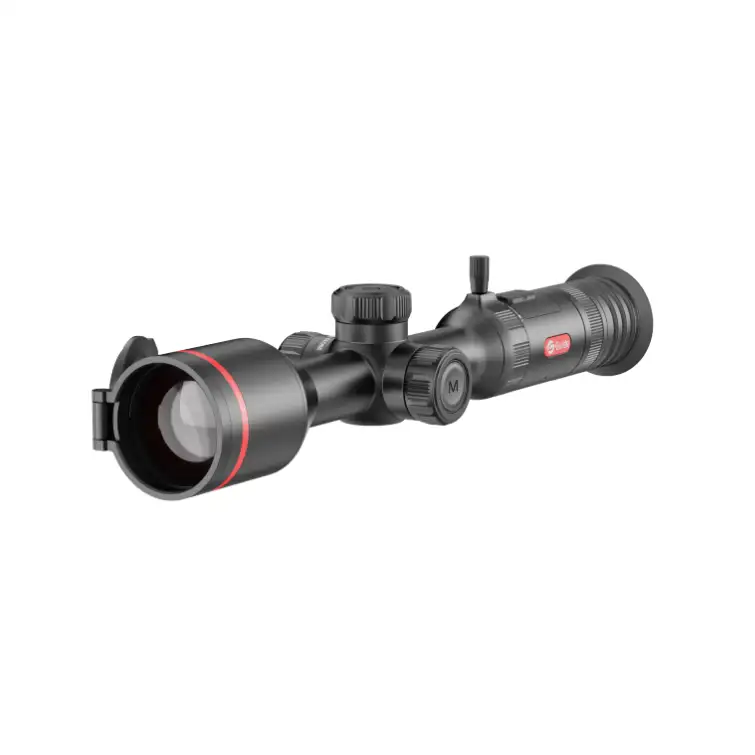
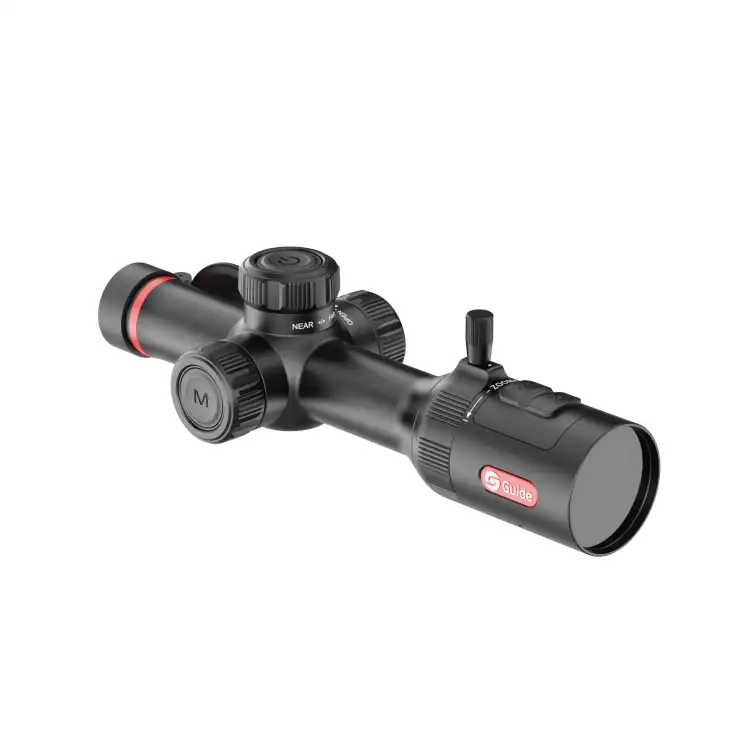
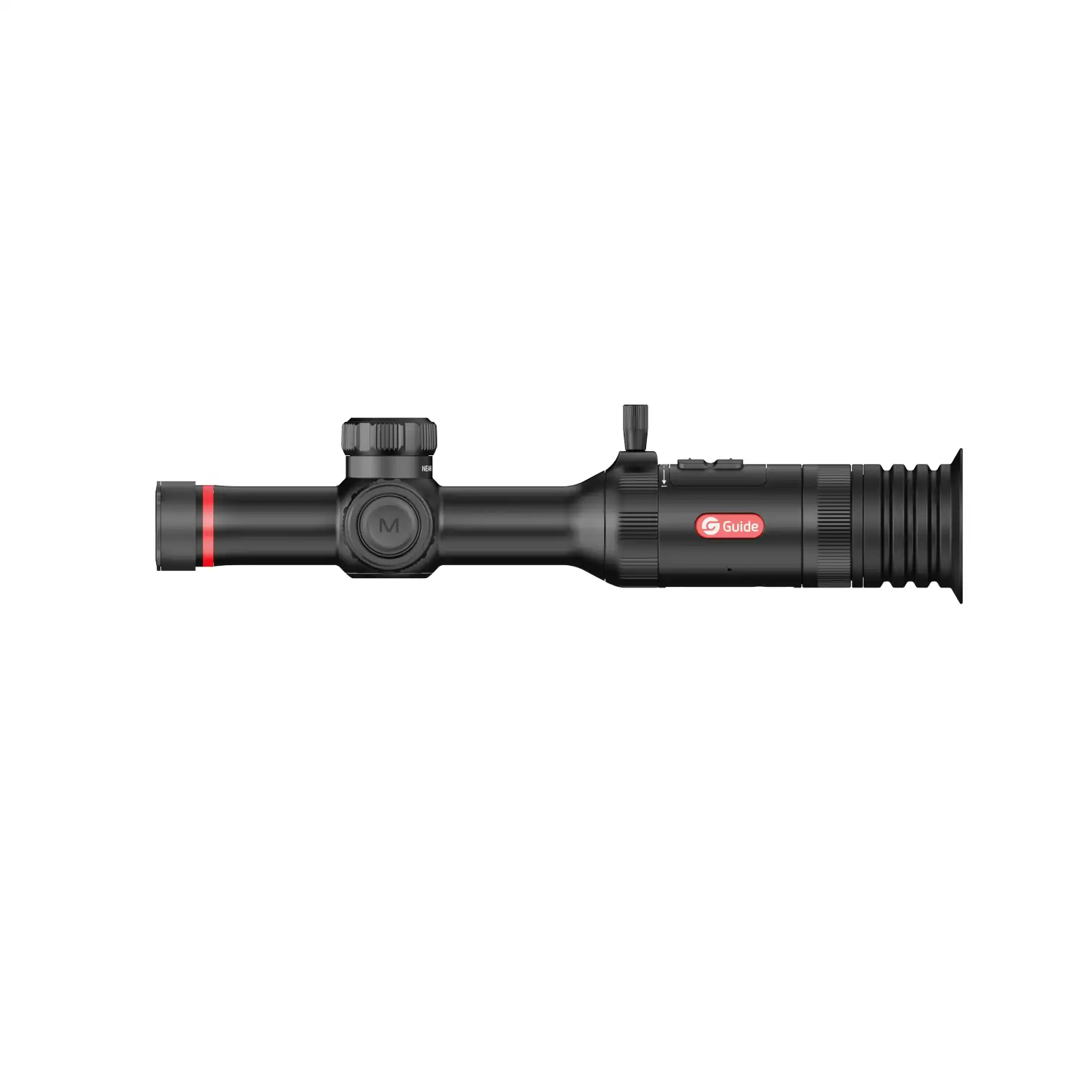
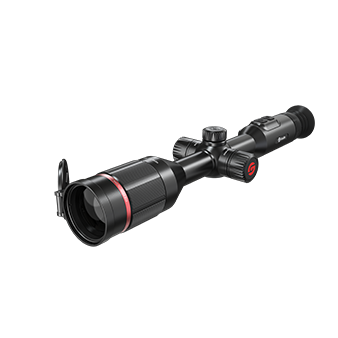
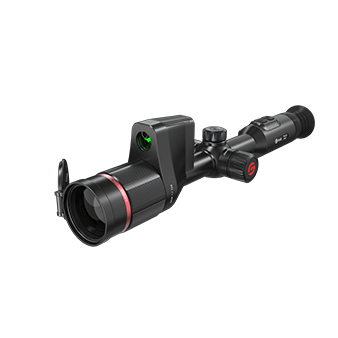
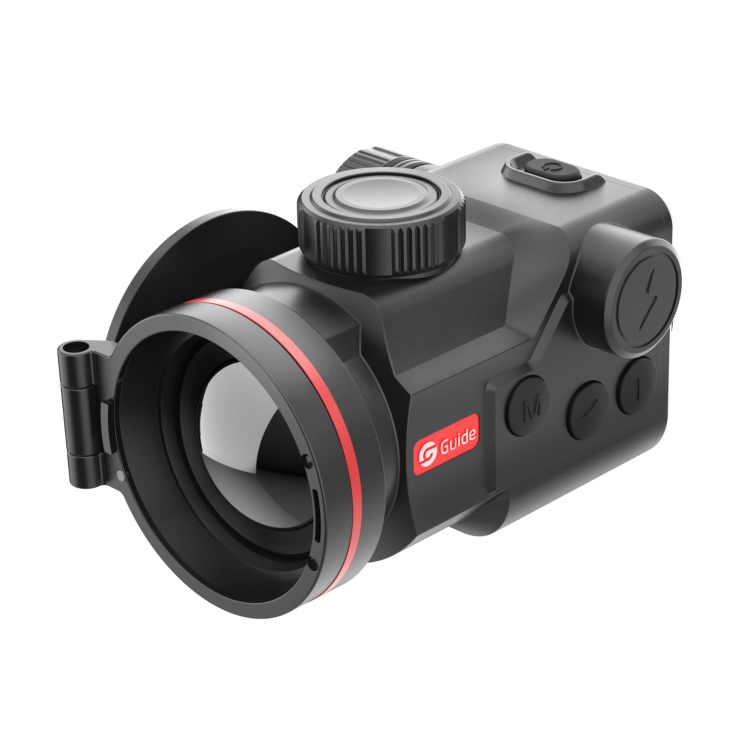
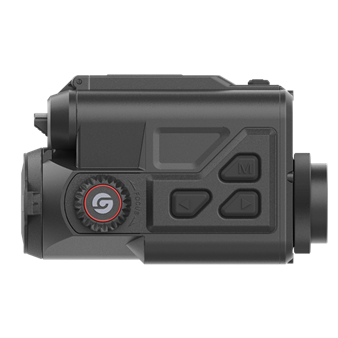
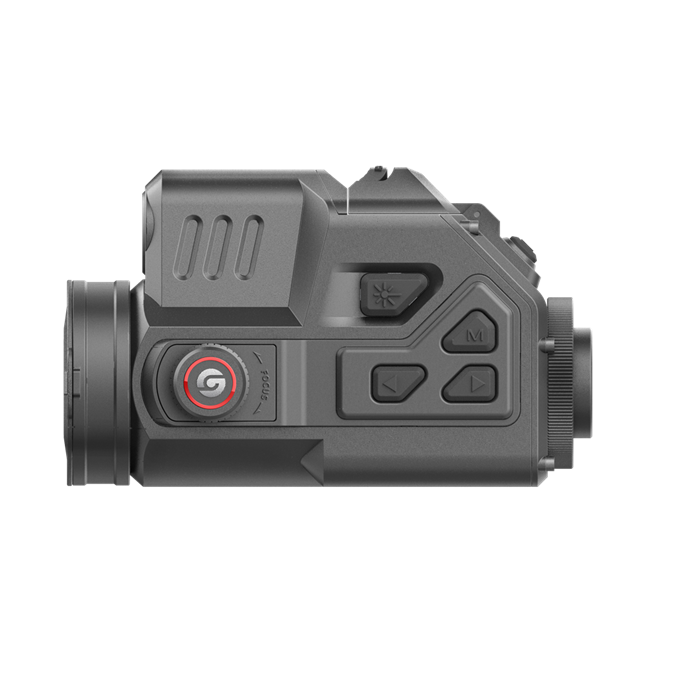
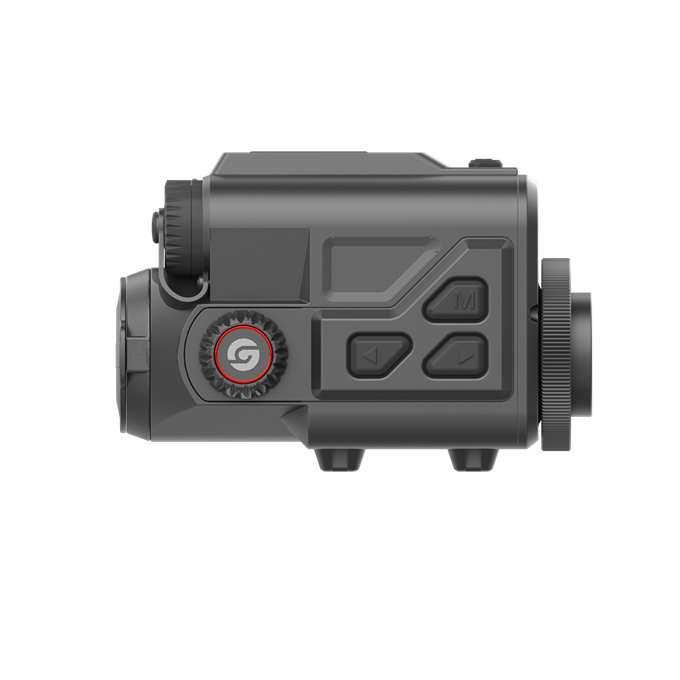
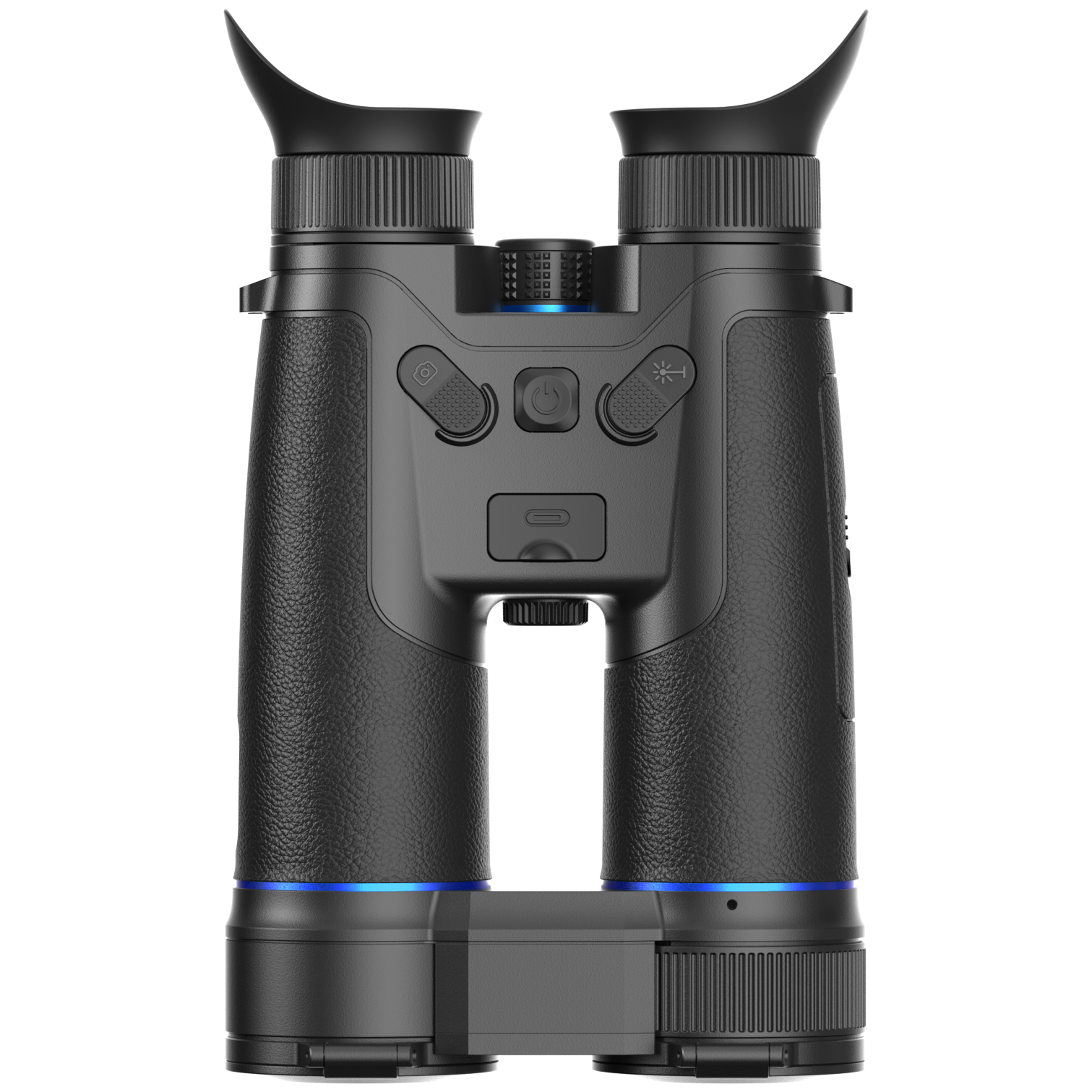
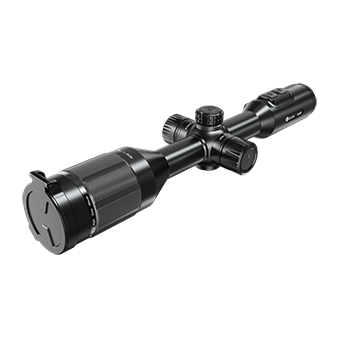
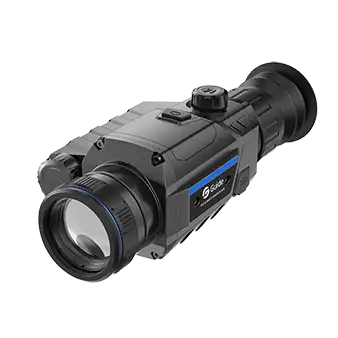
A thermal imaging attachment is a device that can be attached in front of the rifle scope or other optical equipment. It does not replace the existing scope but rather works in conjunction with it to enhance thermal imaging detection capabilities.
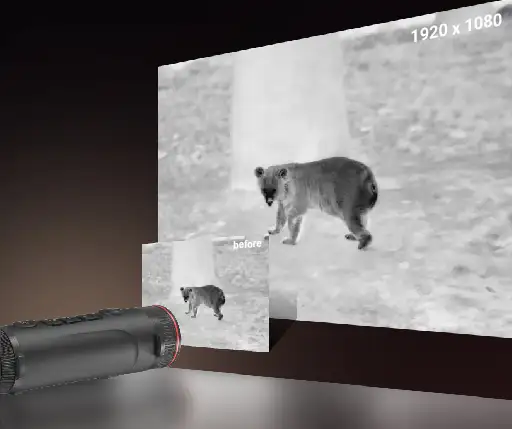
The device uses infrared sensors to detect temperature differences in the environment. Animals naturally generate body heat, which is clearly visible on the infrared device's display. This makes them stand out against cooler backgrounds such as trees, soil, or grass.
One of the biggest advantages of thermal attachments is that they allow hunters to upgrade their existing rifle configurations without completely replacing their gear. With a simple installation, the scope can detect heat sources even in complete darkness.
Why is Night Hunting so Difficult Without Thermal Imaging Technology?
Night hunting using traditional optical equipment can be extremely challenging. In dimly lit environments, animals can be very hard to spot, especially when they are still or partially concealed.
There are many reasons for this difficulty:
lInsufficient natural light
lShadows created by terrain or vegetation
lDense bushes or tall grass
lAnimals blend into their environment
Even a skilled hunter can miss their prey because the human eye relies primarily on light to identify shapes and movements.
Thermal imaging technology overcomes this limitation by focusing on thermal differences rather than visible details. Animals can be detected as long as they emit heat.
Rapid Target Locating Even in Complete Darkness
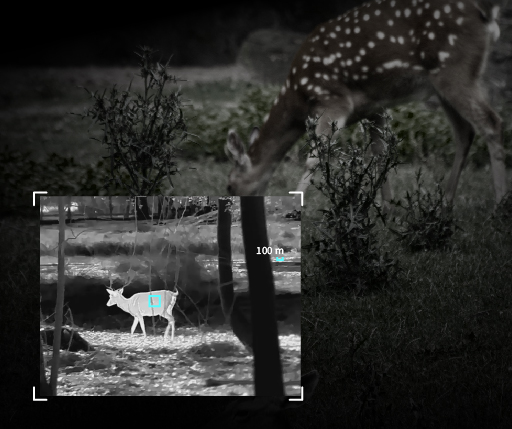
One of the main advantages of thermal attachments is their ability to quickly locate animals. Hunters don’t need to search for shapes or moving objects in the dark; they can simply scan for thermal signals.
Animals appear as bright silhouettes in cooler environments. This makes them easier to spot, even at greater distances.
For example, wild boars often cross fields or forest edges at night. With a thermal attachment, hunters can quickly spot moving herds of wild boars. This early detection gives hunters valuable time to prepare for shooting or to adjust their position.
Because of this advantage, many hunters use thermal devices first to locate animals before switching focus to precise aiming.
Maintaining Familiar Shooting Habits
Another significant advantage of thermal imaging attachments is that they don't require hunters to drastically change their shooting habits.
Unlike dedicated thermal scopes, thermal imaging attachments can be used with existing daytime scopes. Hunters can retain their familiar rifle configuration, aiming lines, and firing methods.
This means a gentler learning curve. Hunters can continue using the equipment they already trust while still benefiting from thermal imaging detection technology.
For many people, this makes clip-on thermal imaging attachments one of the most practical ways to enter the world of thermal hunting technology.
Better Perception of the Hunting Environment
Thermal imaging attachments not only help hunters locate prey but also enhance their situational awareness.
Movements that are typically difficult to spot in the dark become clearly visible through thermal imaging technology. Hunters can observe prey entering fields, moving through forests, or traveling along paths.
This heightened awareness helps hunters make more informed decisions. Instead of rushing when an animal appears nearby, they can plan their approach in advance and choose the optimal moment to strike.
More acute observation also reduces unnecessary movements and prevents startling the animal.
Reliable Performance Even Under Harsh Conditions
Weather and environmental conditions often affect the performance of traditional optical devices. Fog, light rain, or shadows can all blur vision.
Thermal imaging attachments have been designed to work in a variety of environments. Because they rely on thermal detection rather than light, they can identify animals even in extremely low visibility conditions.
This reliability is one of the main reasons why thermal imaging equipment is widely used in night hunting. Hunters can continue scanning and observing even as conditions become more challenging.
Conclusion
Night hunting is incredibly rewarding, but it also presents unique challenges. Low visibility often makes it difficult to spot prey and perceive changes in the surrounding environment.
Thermal imaging attachments simplify night hunting, enabling hunters to detect heat sources without relying on visible light. They help locate prey more easily, improve environmental awareness, and maintain a familiar shooting posture.
For hunters looking to increase their hunting efficiency and confidence, thermal imaging attachments are a practical and powerful solution for successful night hunting.