



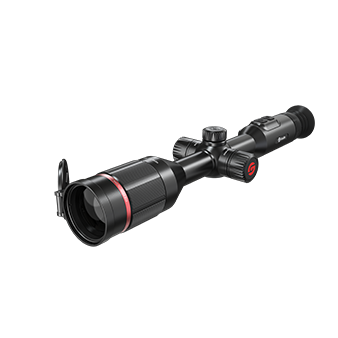
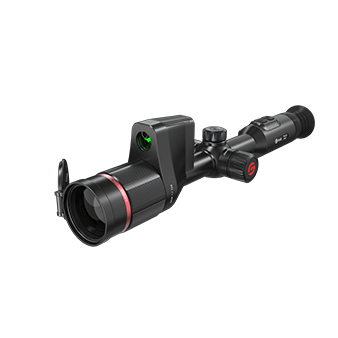
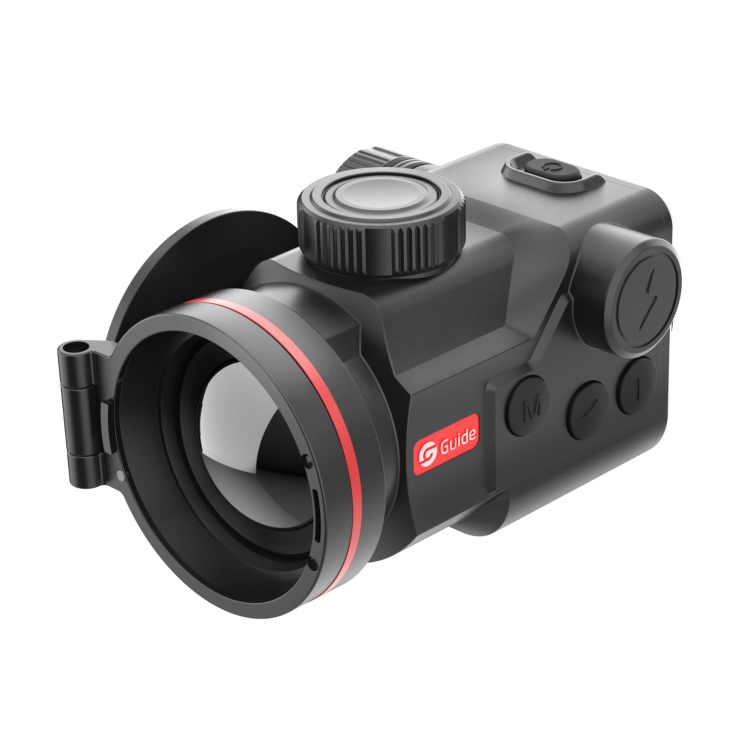


Thermal Hunting Scopes: A Better Way to Hunt in Brush and Timber
Release Time 2026-04-30

Hunting in brush and timber can be rewarding, but it is rarely easy. Dense cover, rugged terrain, dappled shadows, and a ceaseless array of obstacles make tracking prey in such environments far more difficult than in open country. Animals can lie concealed within the dense vegetation, move silently between patches of cover, and vanish without a trace in the blink of an eye.
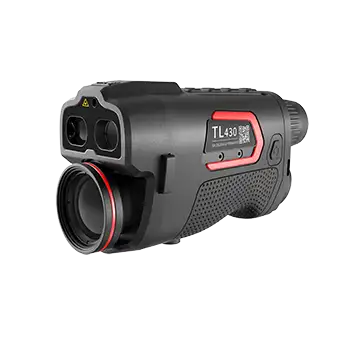
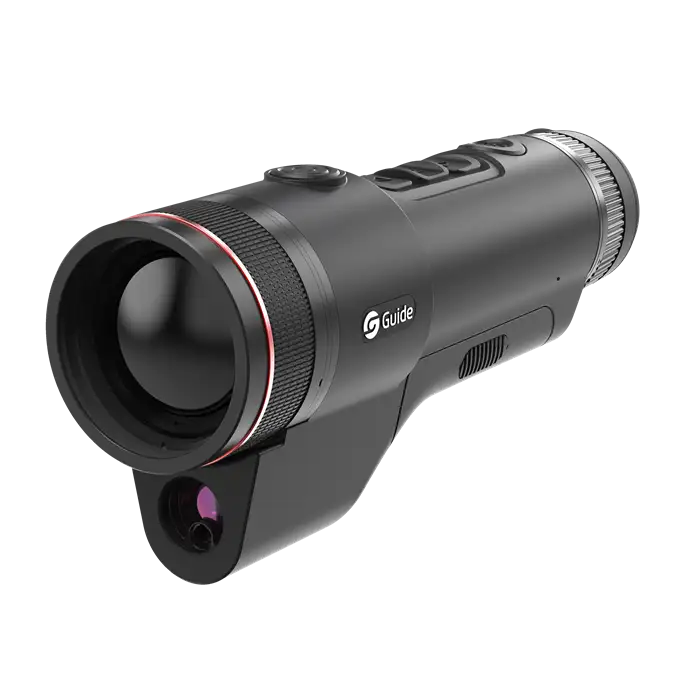
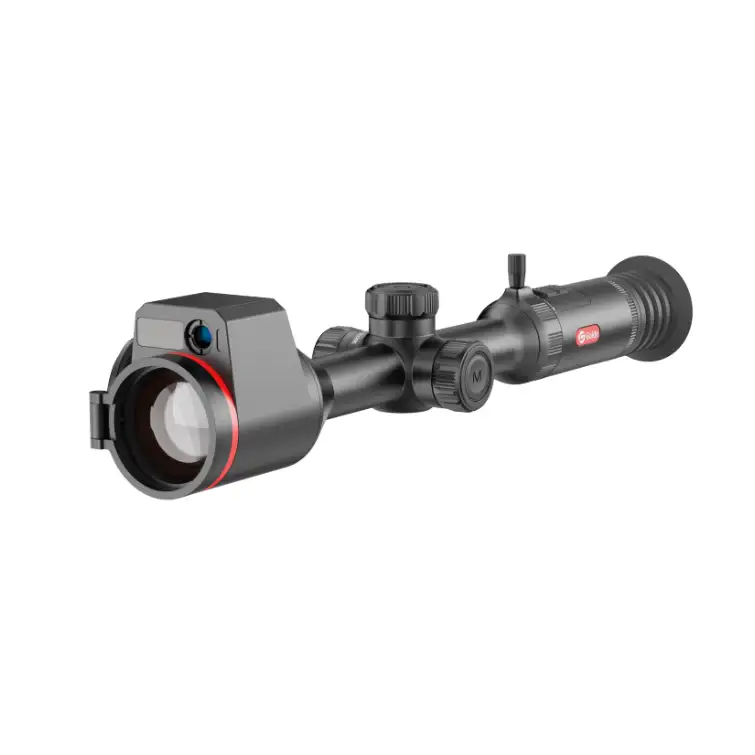
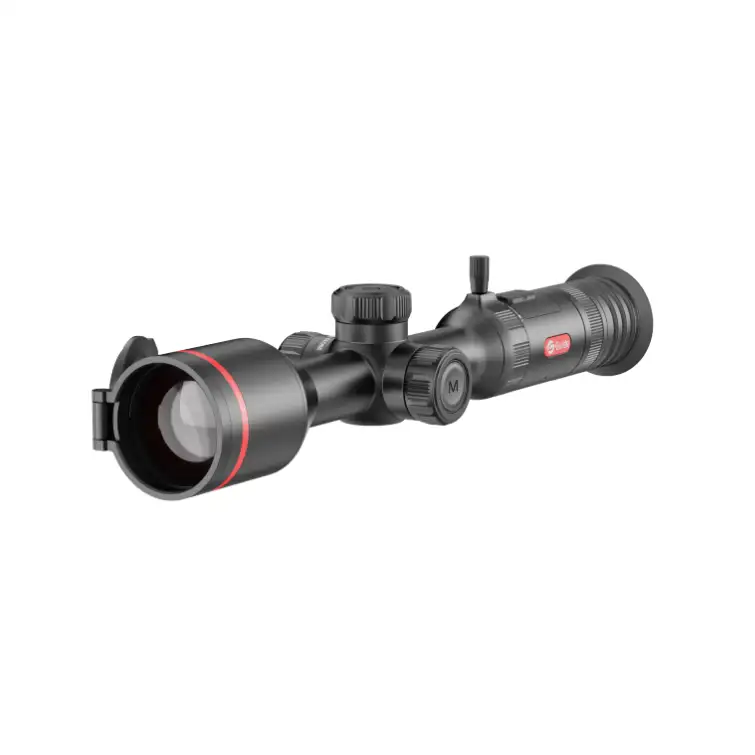
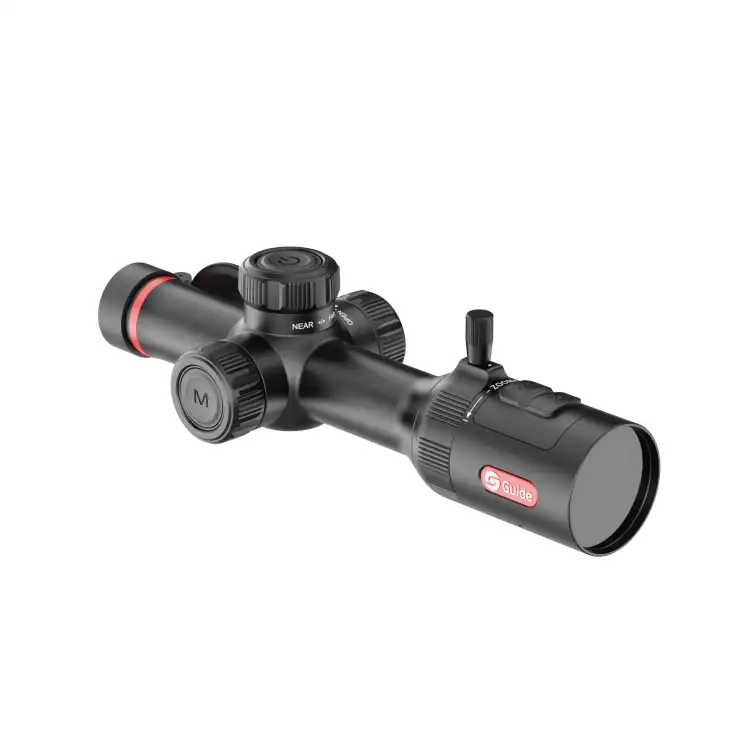
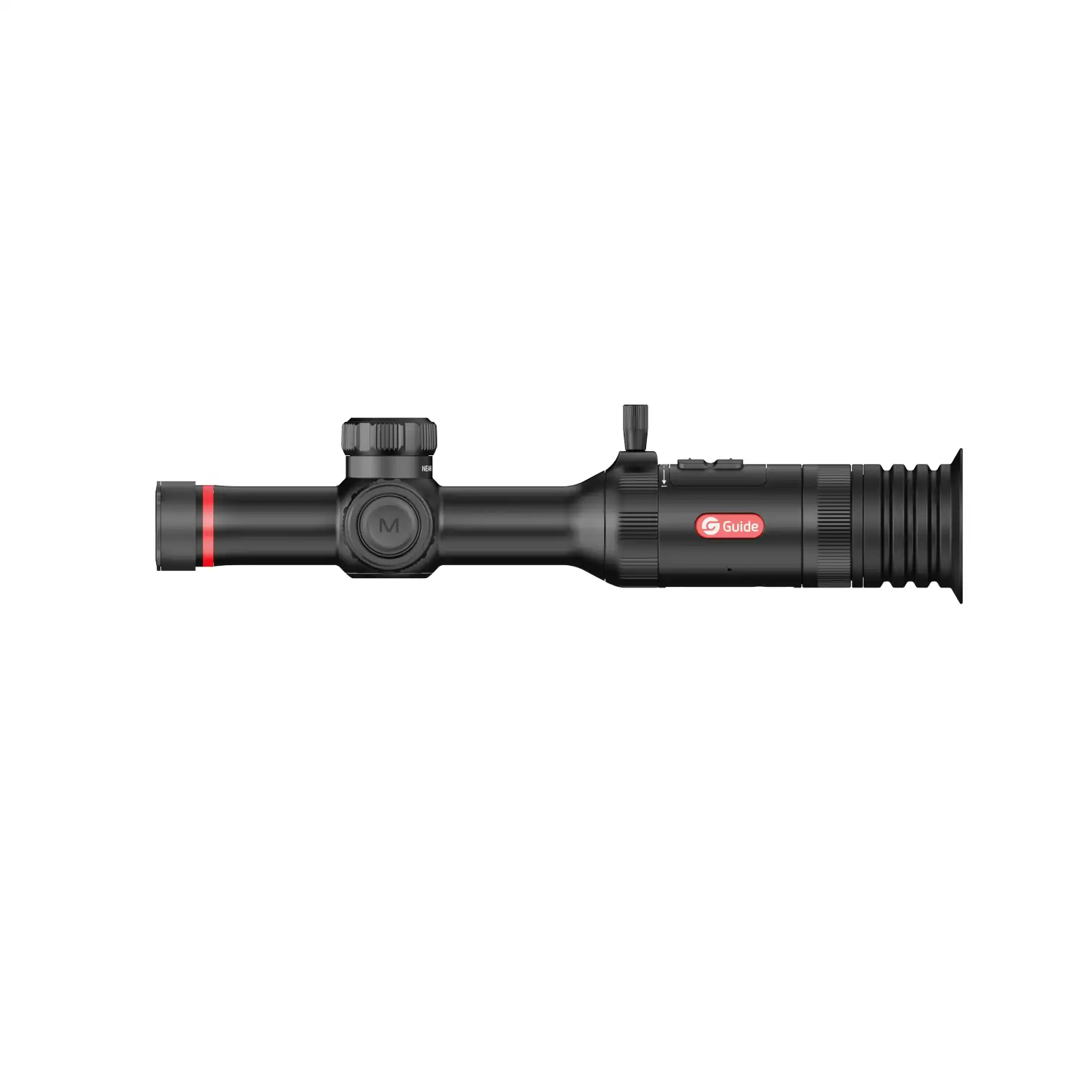
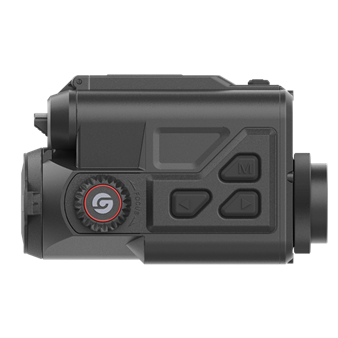
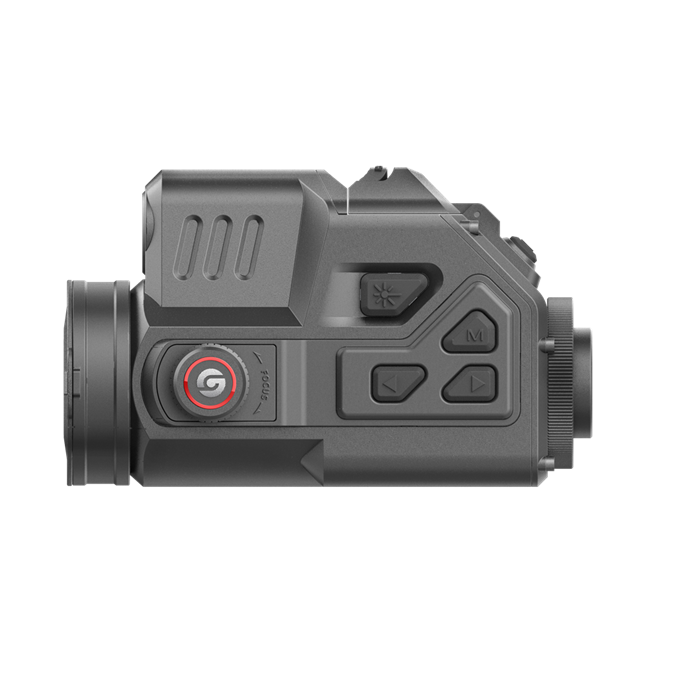
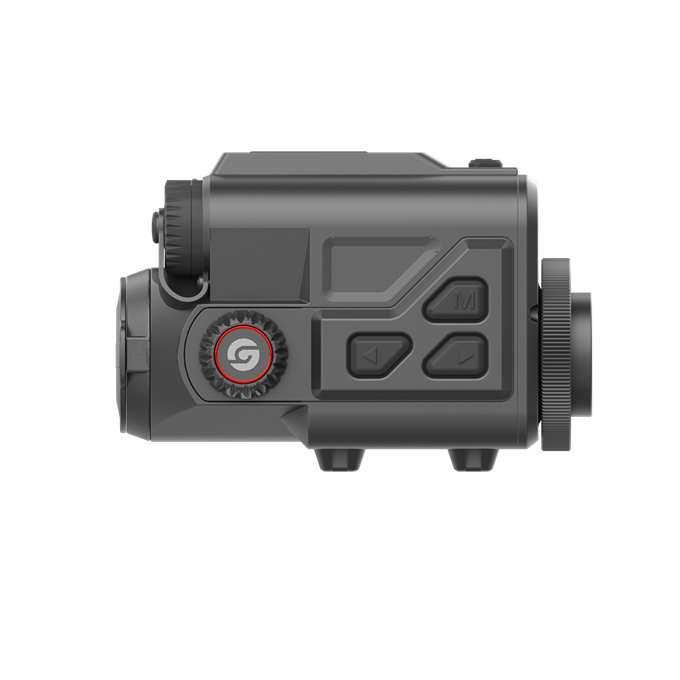
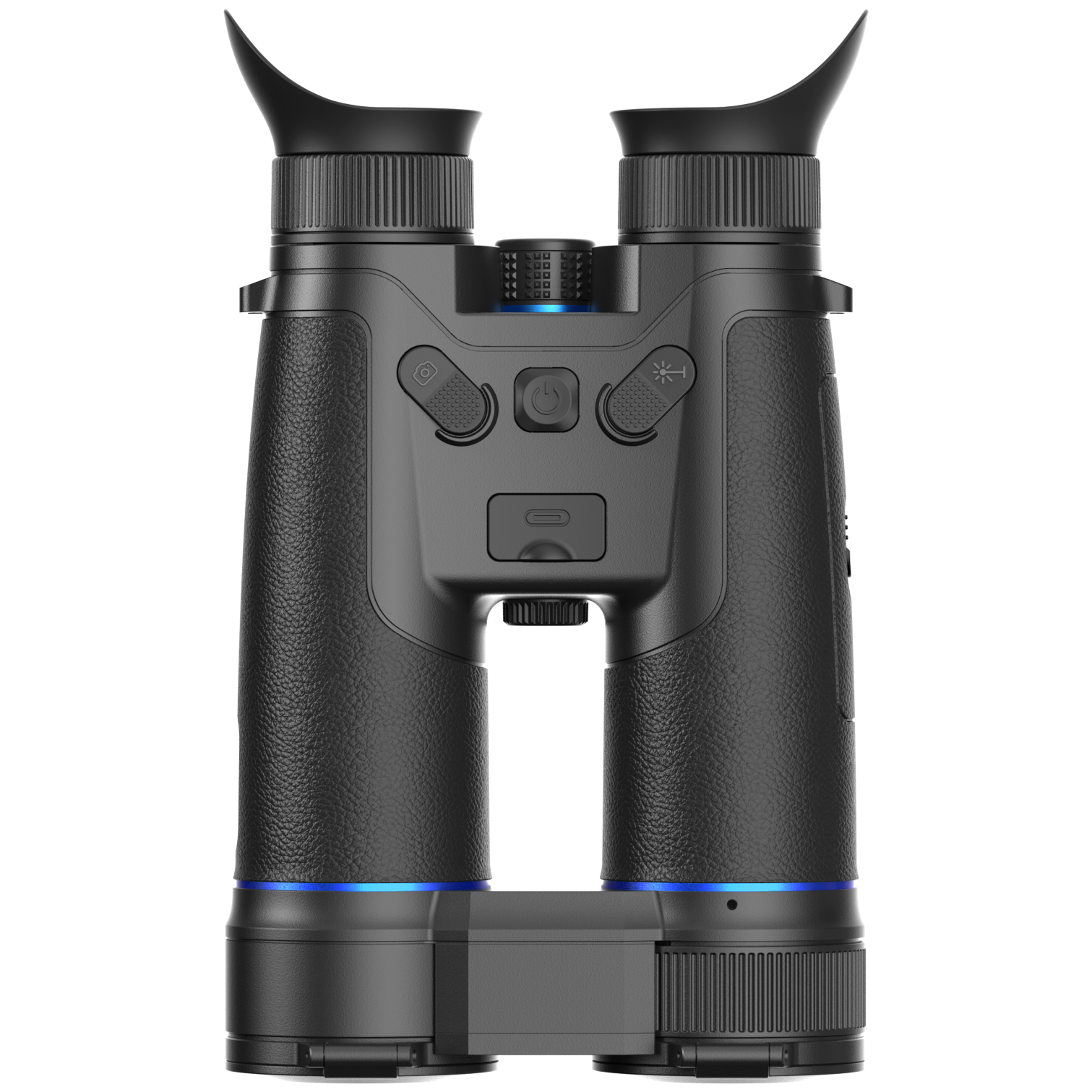
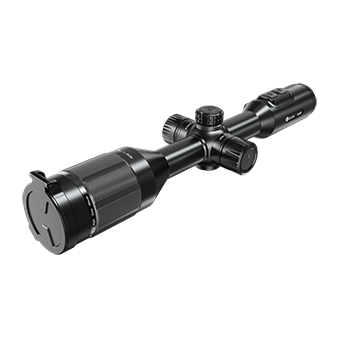
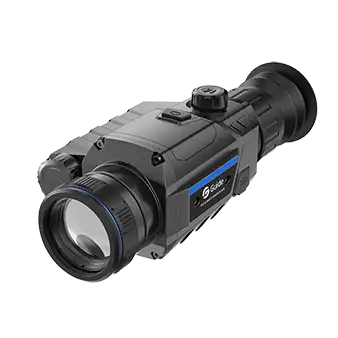
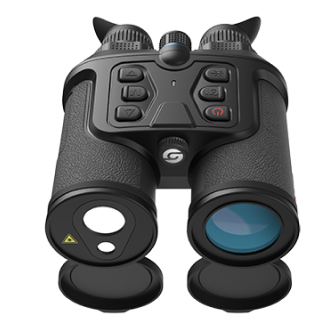
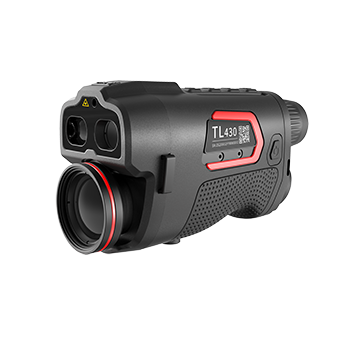
That is why thermal hunting scopes have become a popular choice for many hunters. Unlike relying solely on visible light, thermal scopes function by detecting heat signatures, thereby enabling hunters to spot game in environments where traditional scopes often struggle to be effective. In brush and timber, that can make a major difference.
Why Brush and Timber Create Hunting Challenges
Dense cover can change everything. In open terrain, one can often spot animals from a distance; however, in areas thick with brush or dense woods, visibility is sometimes limited to mere yards.
Branches, tall grass, and thick bushes can effectively mask movement. Animals may pause briefly behind cover, rendering them nearly invisible to standard optical equipment. Even experienced hunters can easily miss opportunities in such terrain.
That is why equipment that can enhance detection capabilities is so valuable.
Thermal Imaging Helps You See Through Visual Clutter
A significant benefit of using thermal scopes is the ability to distinguish heat-emitting targets from a cluttered background environment.
In areas with dense shrubbery, the problem is often not complete concealment, but visual clutter. There are simply too many things to identify. Thermal imaging technology simplifies the visual scene by highlighting objects that emit heat.
You no longer have to strain your eyes attempting to spot an animal amidst a backdrop of shadows, branches, and foliage; instead, you can simply focus your attention on the thermal signatures. This makes the process of locating game faster and more reliable.
Achieving Better Target Detection in Dense Cover
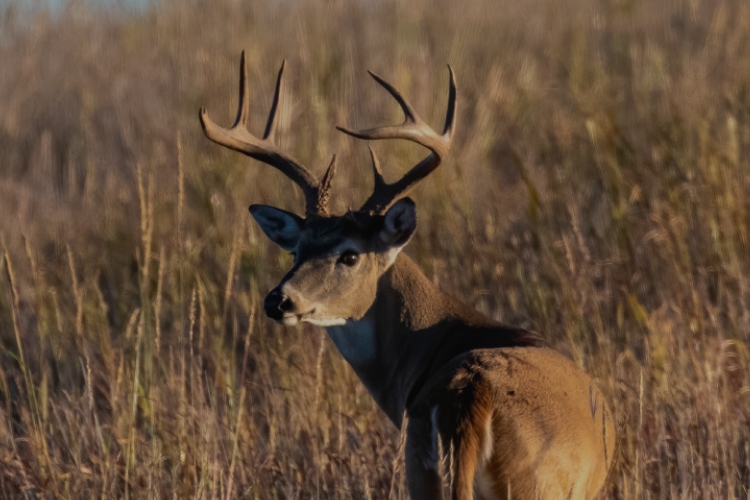
Animals often use bushes and timber as cover. Deer may lie low deep within cover; wild boars typically move through dense vegetation; and predators frequently lurk along the edges of forests or brush.
Thermal scopes help detect subtle movements that would otherwise be easily overlooked.
When the heat emitted by a target stands in stark contrast to its cooler surroundings, it becomes possible to identify the target - even if the line of sight is obstructed and only a portion of it is visible. Compared to traditional sighting equipment, this makes the task of searching for game within dense cover significantly easier.
For hunters navigating complex terrain, this technology not only enhances their chances of successfully harvesting game but also effectively prevents situations where targets are missed due to an obstructed line of sight.
Rapid Tracking in Complex Terrain
Spotting game is merely one part of the challenge; tracking its movements through a maze of cover is often far more difficult.
Animals can cross openings and disappear into the brush almost instantly.
Thermal imaging scopes allow hunters to track moving targets with greater ease, thereby helping them lock onto their quarry more effectively. When the game enters shaded areas or dense cover, you will no longer lose its trail; instead, you can often continue tracking it by relying on its thermal signature.
In the field, where rapid decision-making is often required, this enhanced situational awareness can prove absolutely vital.
A Big Advantage in Low-Light Conditions
Brush and timber often appear darker than open ground, even before sunset. Hunting in the morning, evening, or at night makes visibility even more challenging.
This is where thermal optics offer another clear advantage.
Since they do not rely on ambient light, thermal hunting scopes function effectively even in darkness, densely wooded forests, and conditions of low visibility.
For hunters who frequently venture deep into the woods to hunt at dawn or after sunset, this undoubtedly represents a significant advantage.
Boosting Confidence Before the Shot
Dense cover often breeds uncertainty; you might hear only movement or catch merely a fleeting glimpse through the brush.
Thermal imaging scopes help minimize this guesswork.
By enhancing their target detection capabilities and sensitivity to movement, hunters are able to make more informed decisions before taking action. This heightened confidence not only improves hunting efficiency but also boosts their overall success rate.
Practical Advantages in Field Hunting
Using thermal hunting scopes in brush and timber can offer practical advantages such as:
l Faster target detection within dense cover
l More effective game tracking amidst vegetation
l Enhanced observation performance in low-light conditions
l Reduced time required to locate targets
l Increased hunting confidence in complex terrain
Not only do these advantages increase chances of hunting success, but they also minimize frustration during the hunt.
Built for Harsh Outdoor Environments
Dense brush and deep forests often signify rugged, unforgiving wilderness conditions. Dense vegetation, moist air, fluctuating temperatures, and rugged terrain all put the equipment's performance to the test.
Many thermal imaging hunting scopes are built to withstand such environments, combining exceptional durability with reliable field performance.
When hunting in challenging terrain, this level of reliability is absolutely critical.
Conclusion
Hunting in brush and timber comes with unique difficulties, but thermal hunting scopes offer a smarter way to handle them.
By enhancing target detection capabilities, tracking movement behind cover, and maintaining clear vision in low-light conditions, this type of equipment gives hunters a real advantage that traditional optical equipment often falls short of.
For hunters operating in dense vegetation and wooded terrain, a thermal hunting scope is far more than a mere equipment upgrade; it is a practical, powerful tool capable of significantly boosting their hunting success.