






How to Master Your Thermal Rifle Scope in Fog and Rain
Release Time 2026-07-13

Fog and rain are some of the most challenging weather conditions for hunters. Limited visibility, moisture in the air, and changing temperatures all make it harder to spot and identify game. Although thermal rifle scopes far outperform traditional optical scopes in low-light environments, adverse weather can still affect the thermal image quality.
Learning how to use your thermal rifle scope correctly in wet conditions will help you hunt more efficiently and make smarter decisions in the field.
How Fog and Rain Affect Thermal Rifle Scope Performance
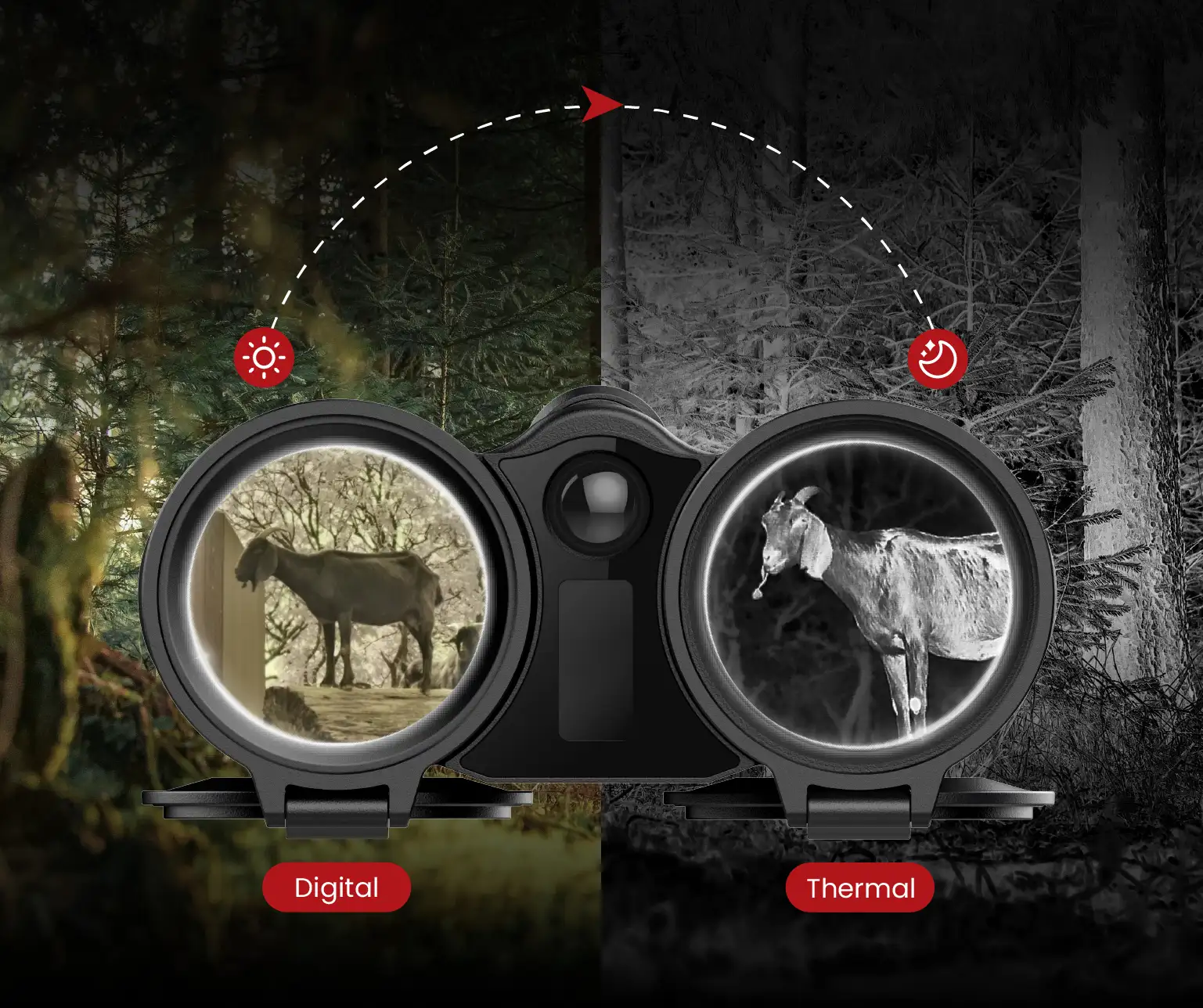
Thermal rifle scopes work by detecting infrared heat rather than visible light, allowing them to work in darkness or low-light conditions. However, the moisture present in heavy fog and rain can reduce the thermal contrast between animals and their surroundings.
This does not mean the scope will fail to function; rather, the thermal image may appear somewhat softer, particularly when observing at long ranges. Understanding this helps you set realistic expectations and adjust your hunting strategy accordingly.
Reducing Observation Distance in Foggy Conditions
One of the easiest methods to improve performance in fog or rain is to shorten your observation distance.
Spotting an animal hundreds of yards away in dense fog is far more difficult than scanning the immediate area. By focusing on medium or close-range targets, you can often see clearer heat signatures and identify game more accurately.
Moving cautiously and scanning the immediate vicinity usually produces better results than relying on maximum detection range.
Scan Slowly and Carefully with Your Thermal Imaging Scope
In poor weather conditions, patience is more important than speed.
Instead of sweeping rapidly, move the thermal imaging scope slowly and carefully observe the surroundings. Pause occasionally to confirm any unusual heat sources before moving on.
In high-humidity environments, animals tend to blend into the background, so taking extra time helps ensure you do not miss important details.
A slow, steady scanning technique is generally more effective for spotting game.
Adjusting Image Settings
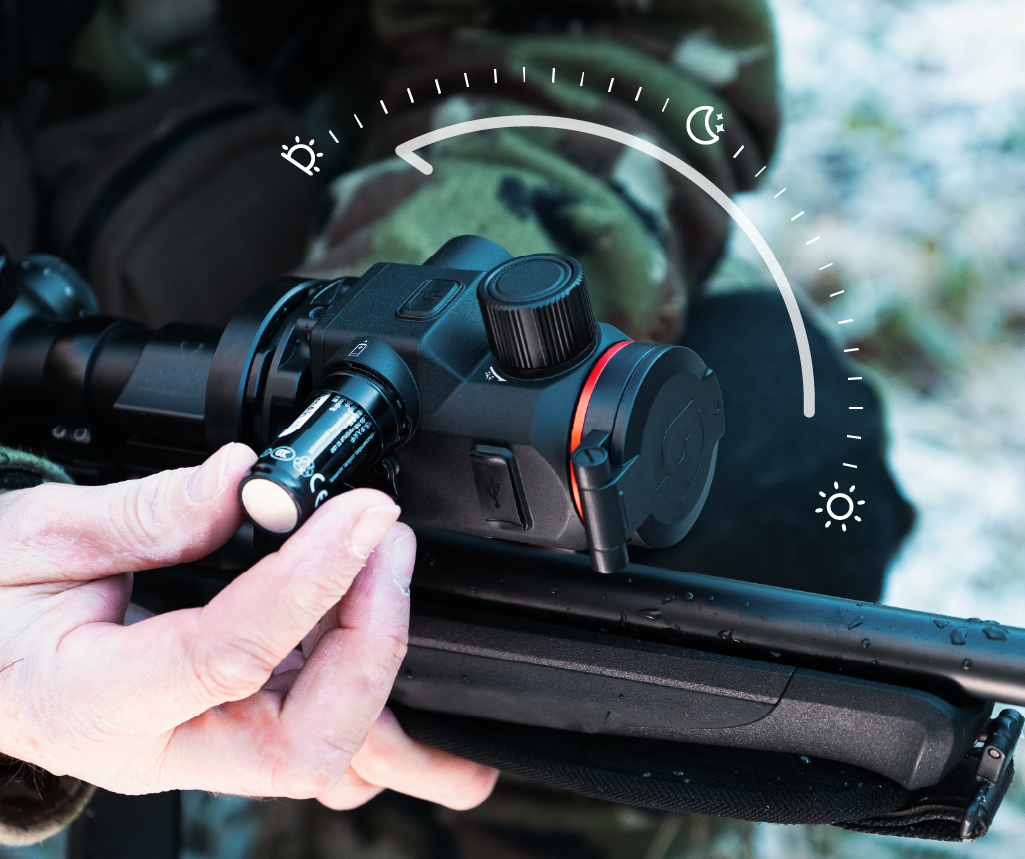
Many modern thermal rifle scopes allow users to adjust brightness, contrast, and color palettes.
Fine-tuning can improve image clarity in foggy or rainy weather. If the image lacks depth or definition, slightly increasing the contrast can help distinguish the target animal from the background. Trying different display modes can also make thermal features easier to identify.
Spend time learning these settings before hunting so that you can make quick adjustments in the field.
Keep the Lenses Clean and Dry
Rain, fog, or water droplets on the objective lens can affect image quality.
Carry a clean microfiber cloth and gently wipe the lenses whenever moisture or condensation appears. Do not use abrasive materials to prevent scratching the protective coating.
After hunting, wipe the entire device dry before placing it in its protective case. Regular cleaning helps maintain consistent image quality and ensures the long-term protection of the scope.
Move to a Better Observation Point
Terrain plays a crucial role in bad weather.
If conditions permit, choose a slightly elevated position for observation, as the fog may be thinner there. Avoid scanning directly through dense brush or vegetation, as these obstacles inherently reduce visibility.
Finding a clearer viewing angle often improves thermal performance without changing any settings on the scope.
Practice Before the Hunting Season
The performance of any thermal hunting scope varies slightly depending on weather conditions.
Practicing in light rain or fog before the hunting season begins helps you understand how the device performs in real-world environments. Such practice familiarizes you with the imaging characteristics of target animals, the impact of weather on image quality, and the optimal parameter settings.
This experience helps you handle the actual hunting situations with greater confidence, even in bad weather.
Choose a Reliable Thermal Hunting Scope
The quality of a thermal rifle scope directly impacts its performance in challenging weather.
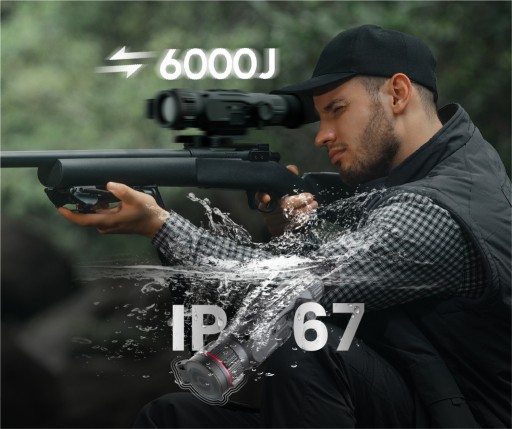
Key features to look for include high thermal sensitivity, a high-quality image processor, weather-resistant construction, and long battery life. These features ensure consistent performance even when visibility is poor.
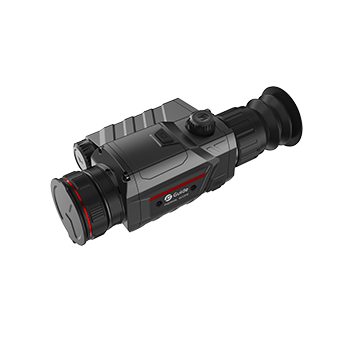
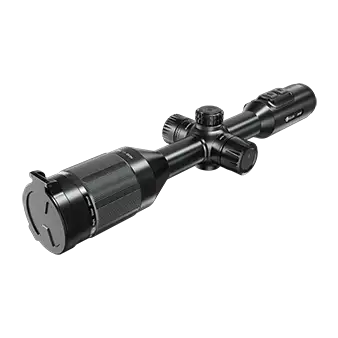
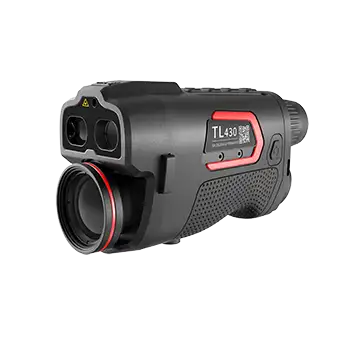
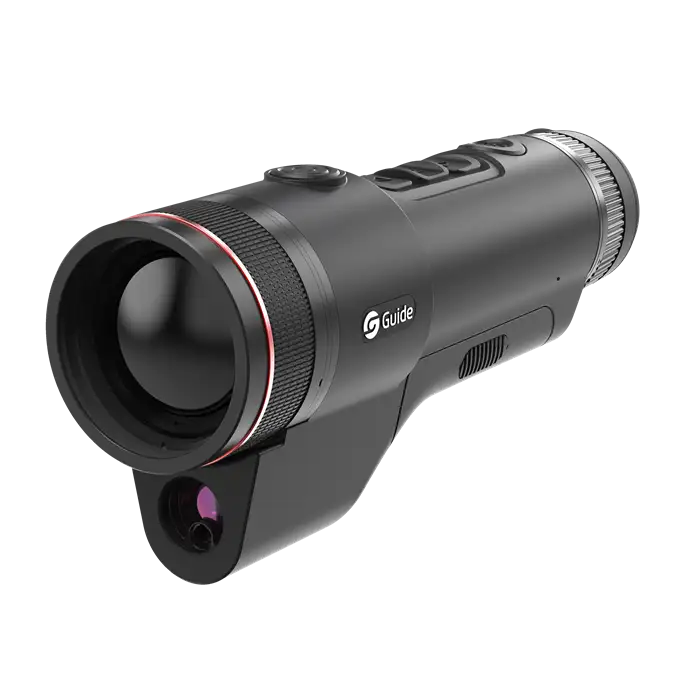
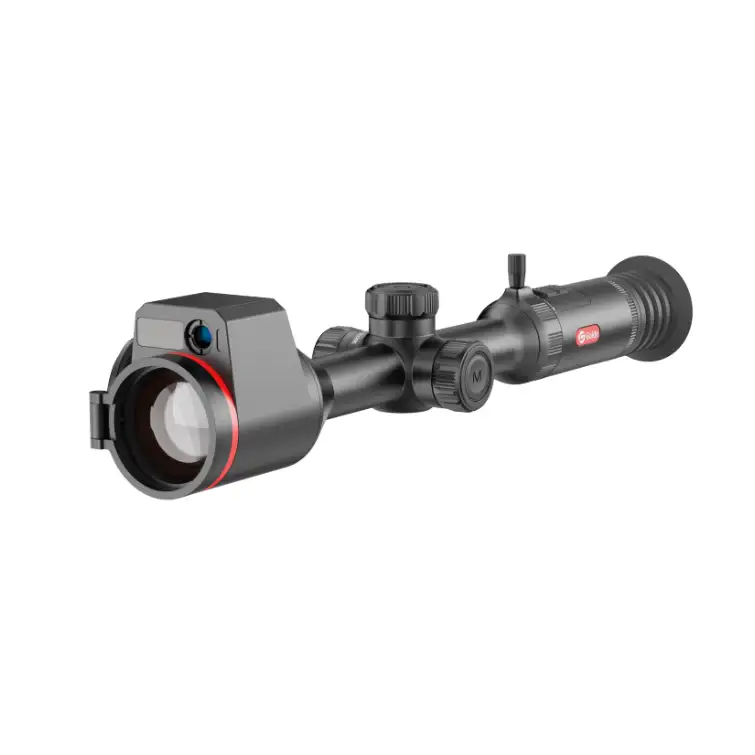
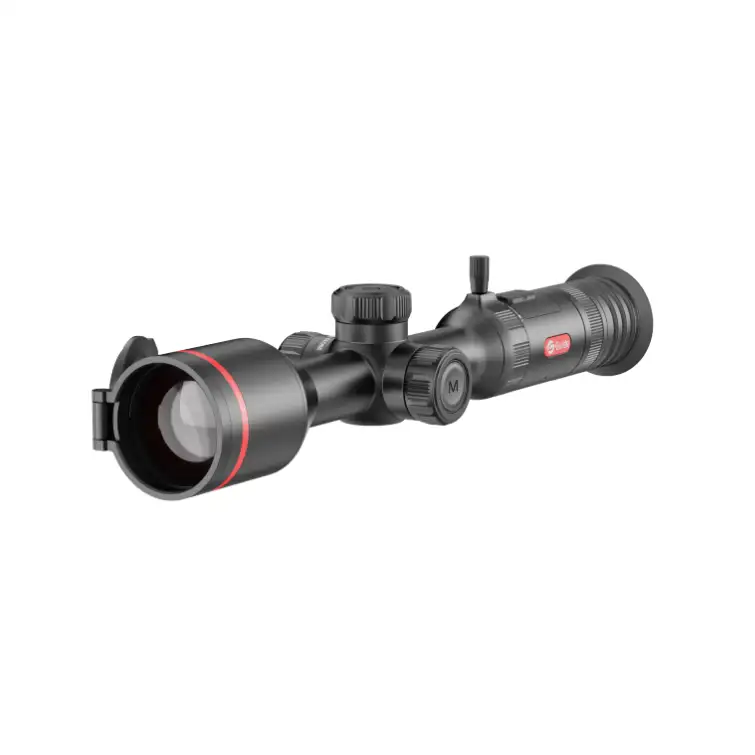
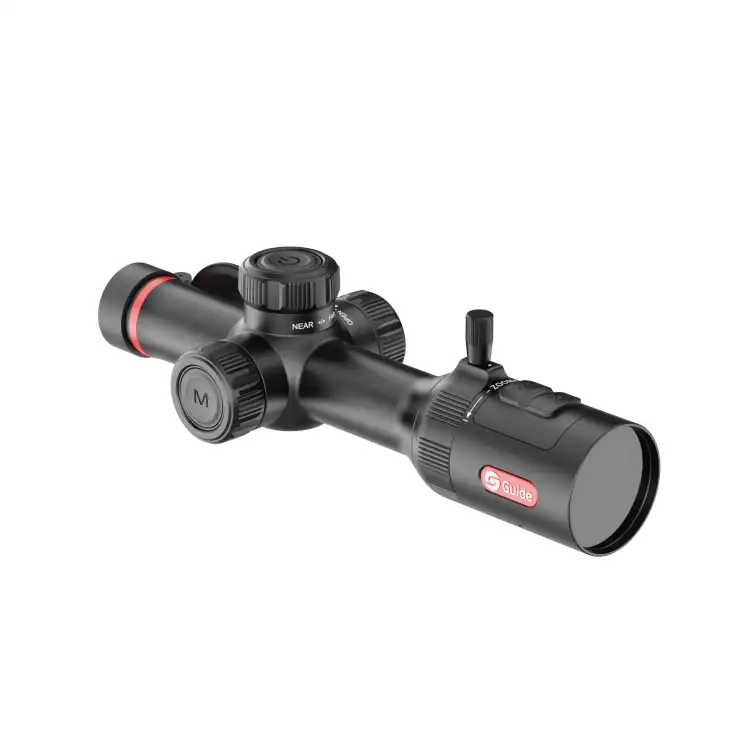
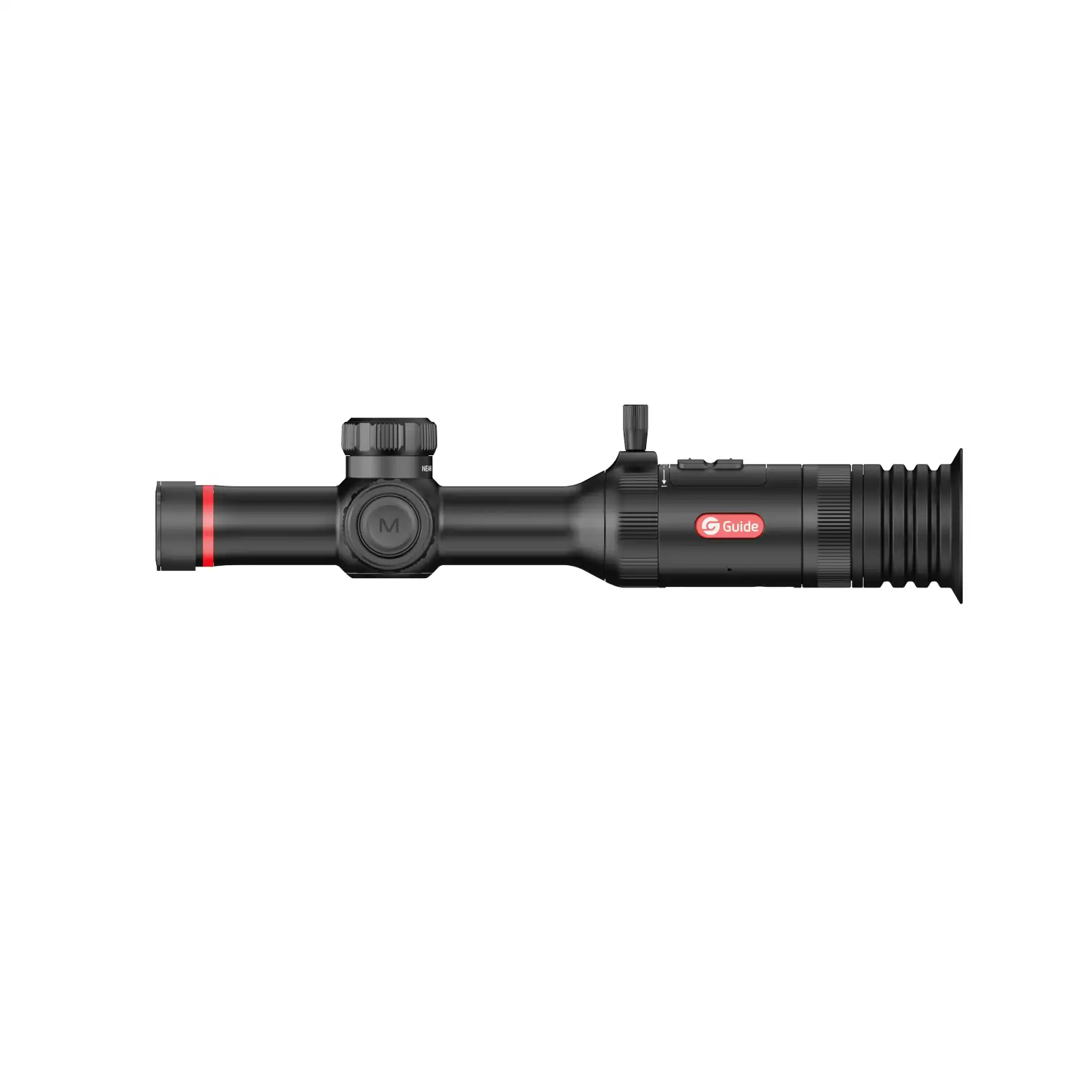
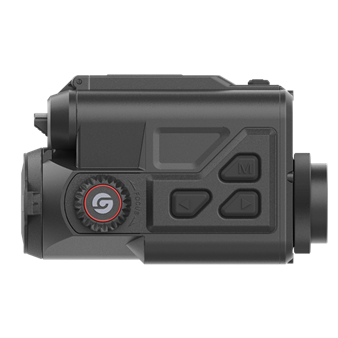
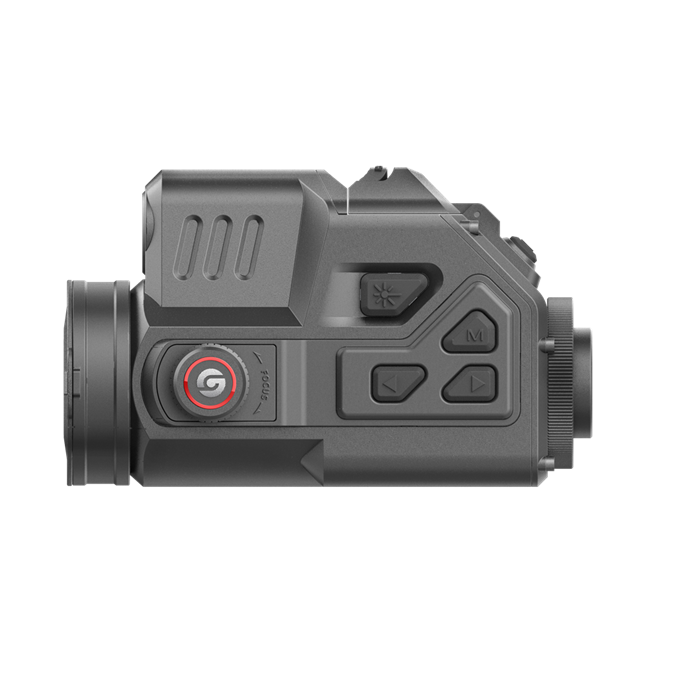
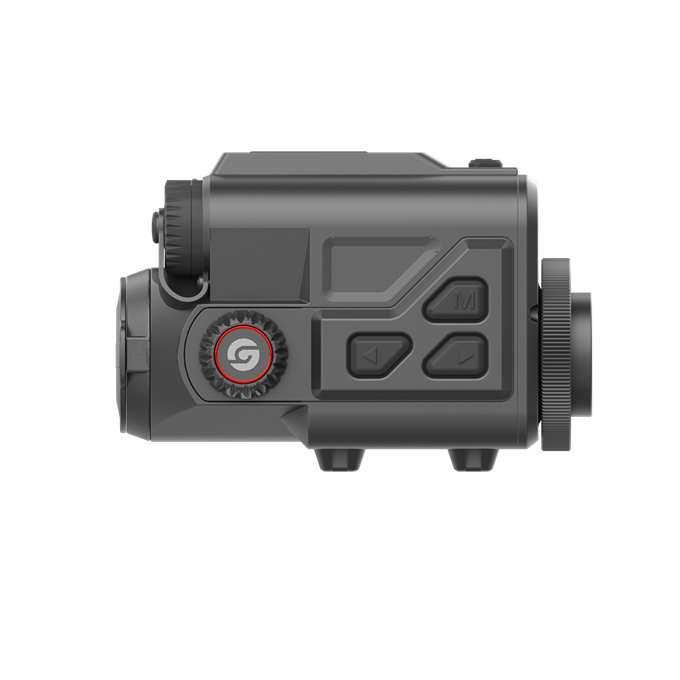
Guide Outdoor has developed advanced thermal rifle scopes specifically for demanding hunting environments, providing hunters with dependable thermal imaging in changing weather conditions.
Conclusion
While fog and rain present extra challenges, they do not prevent the effective performance of thermal imaging scopes. By understanding how weather affects thermal images and employing methods such as reducing observation distances, scanning carefully, adjusting image settings, and keeping the lens clean, hunters can continue to detect game with confidence.
With regular practice and a reliable thermal rifle scope from Guide Outdoor, you hunters can confidently adapt to changing weather conditions and maintain effective target detection throughout the hunting season.