



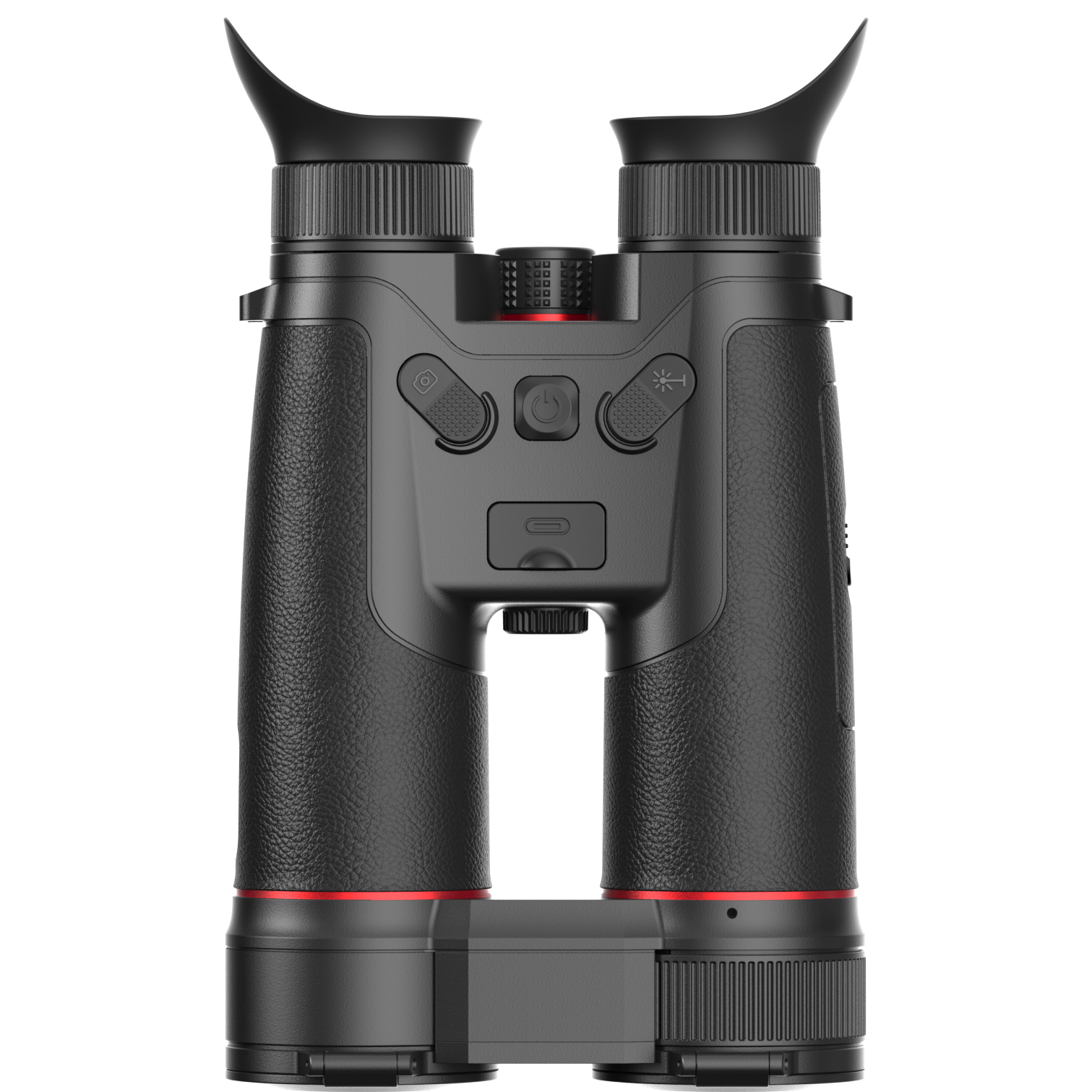
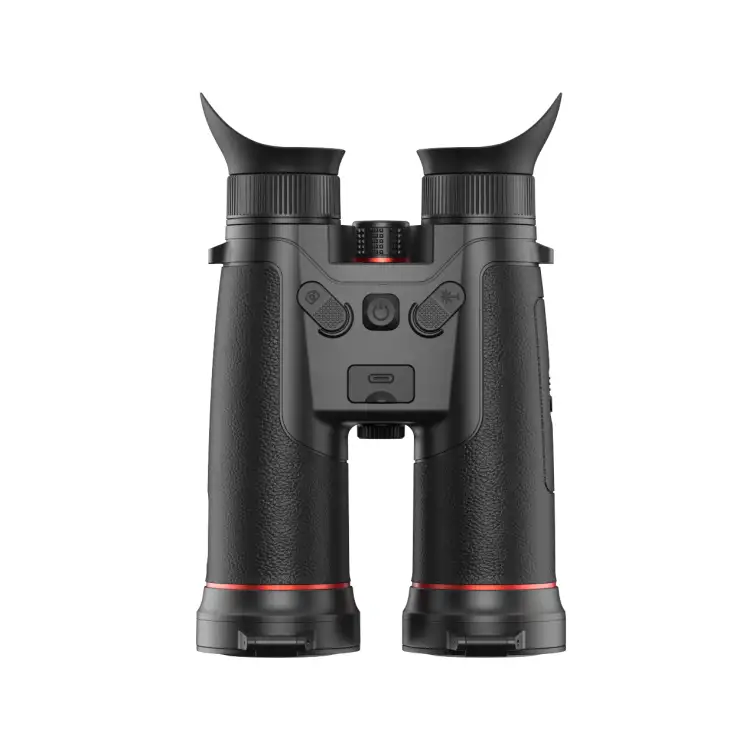



Clip-On Thermal Scopes: Instantly Add Thermal Vision to Your Rifle
Release Time 2026-03-05

Many hunters and shooting enthusiasts hesitate to switch to thermal imaging scopes for a simple reason: they do not want to replace their existing rifle scopes.
You have probably spent many years getting accustomed to your current setup. Your scope is calibrated, and your shooting habits are well-established. Replacing everything simply to add thermal imaging seems unnecessary.
This is precisely the advantage of clip-on thermal scopes.
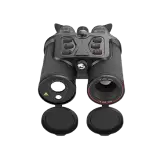
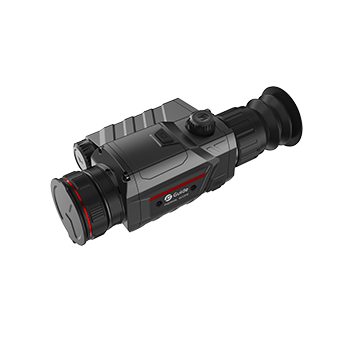
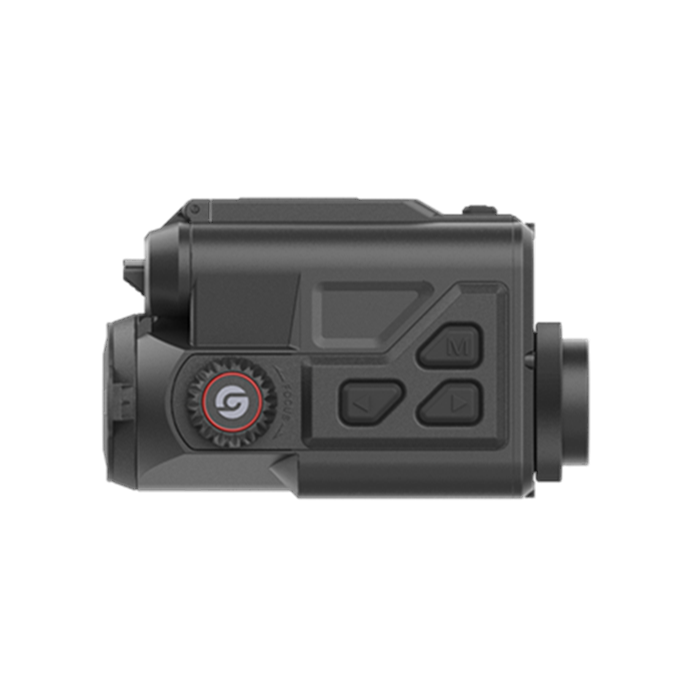
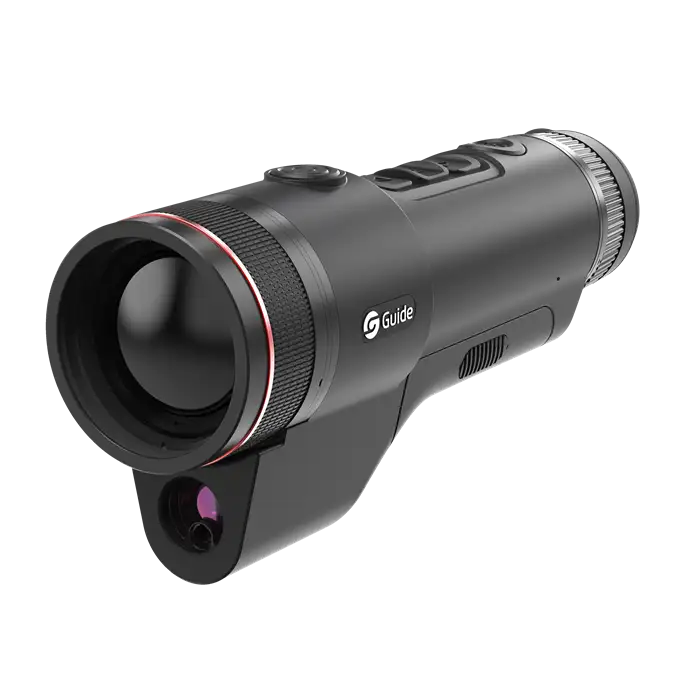
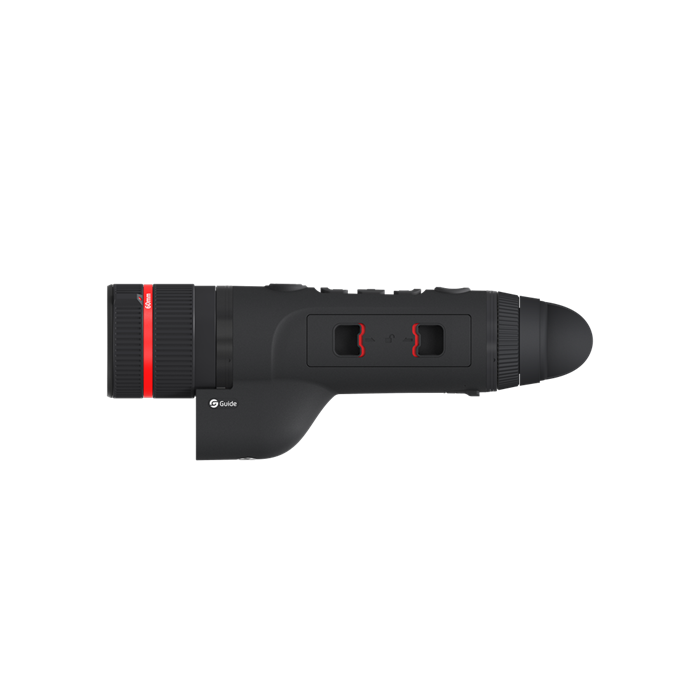
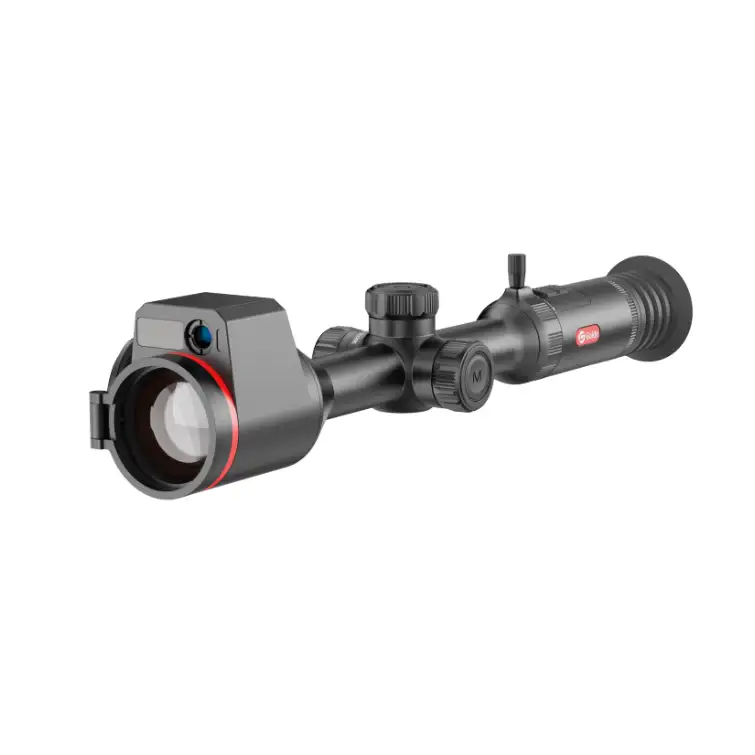
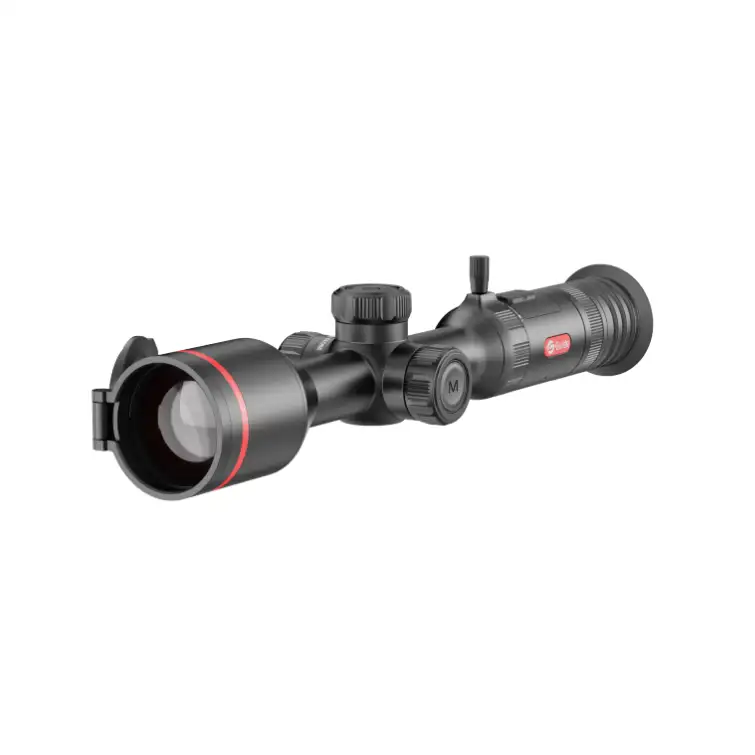
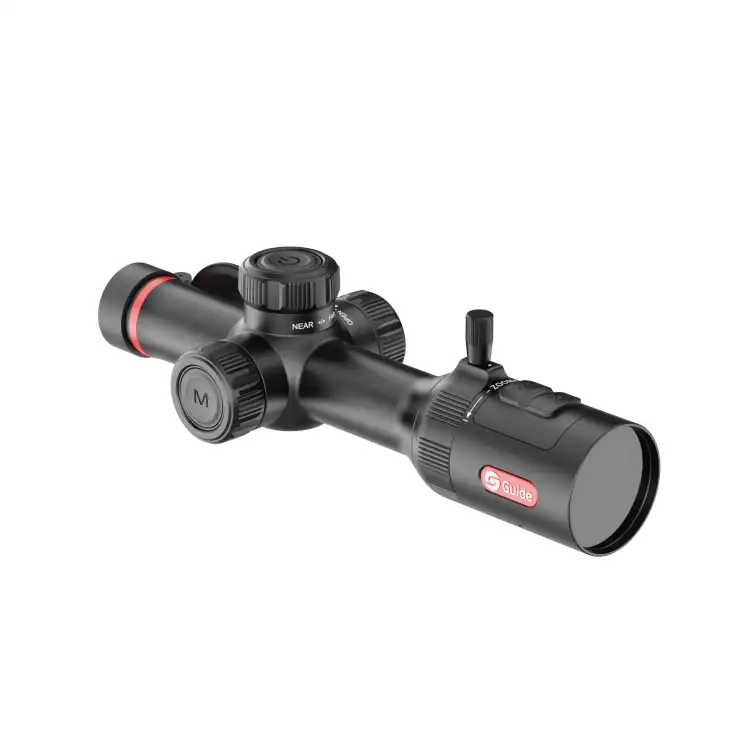
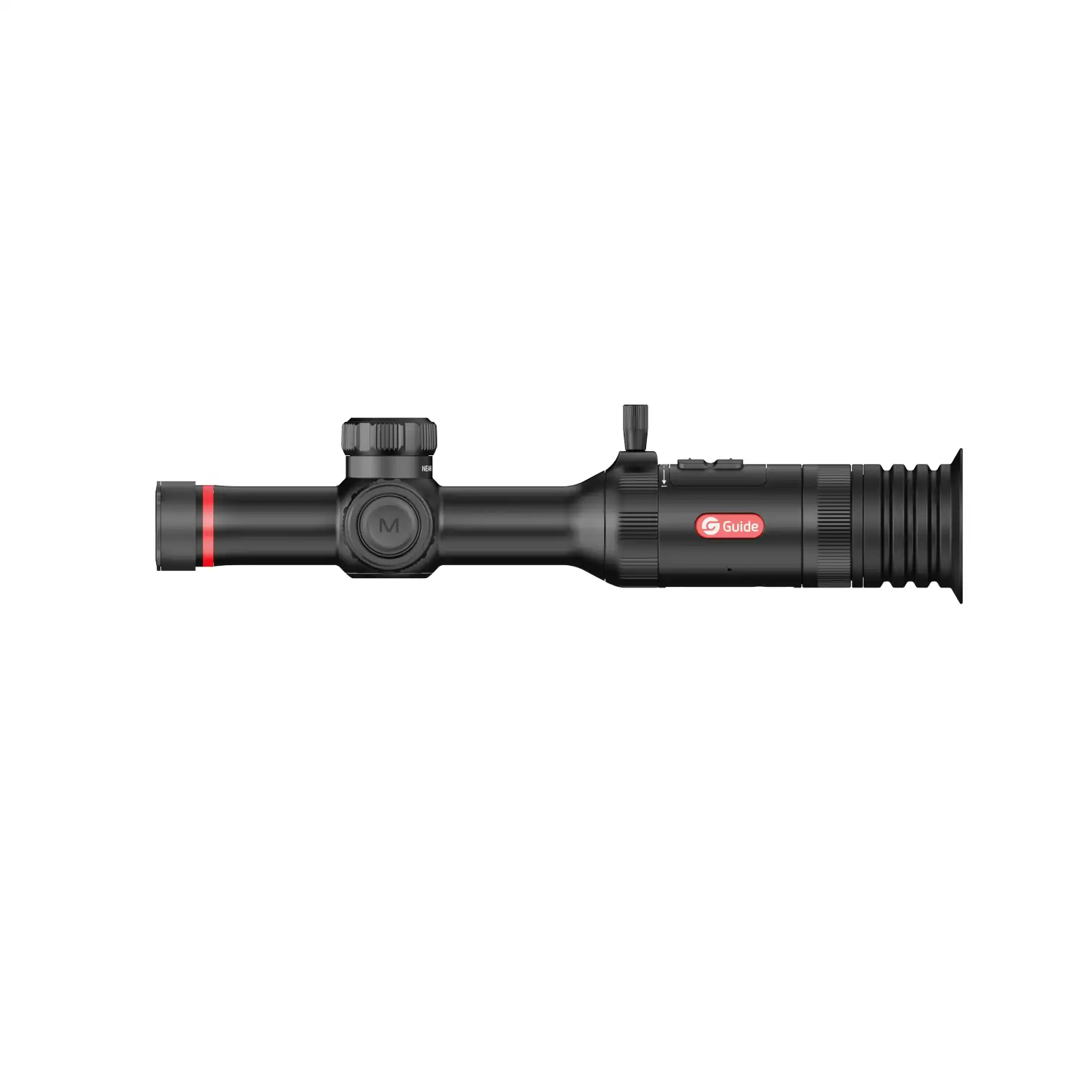
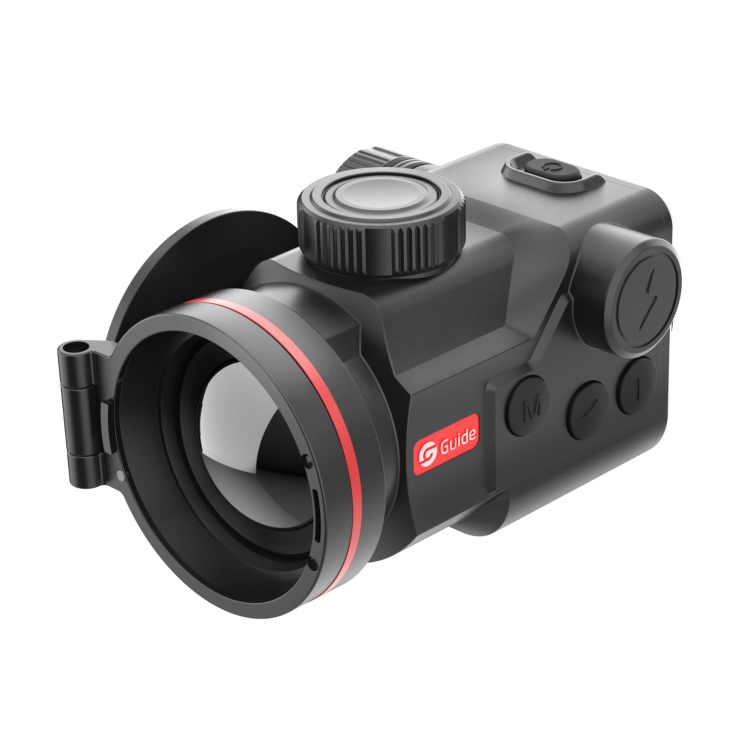
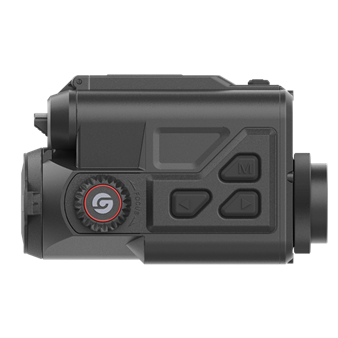
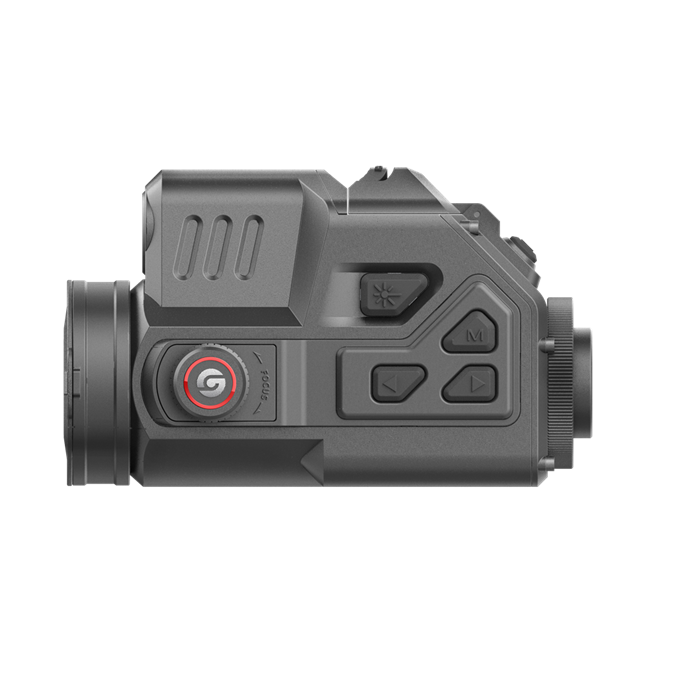
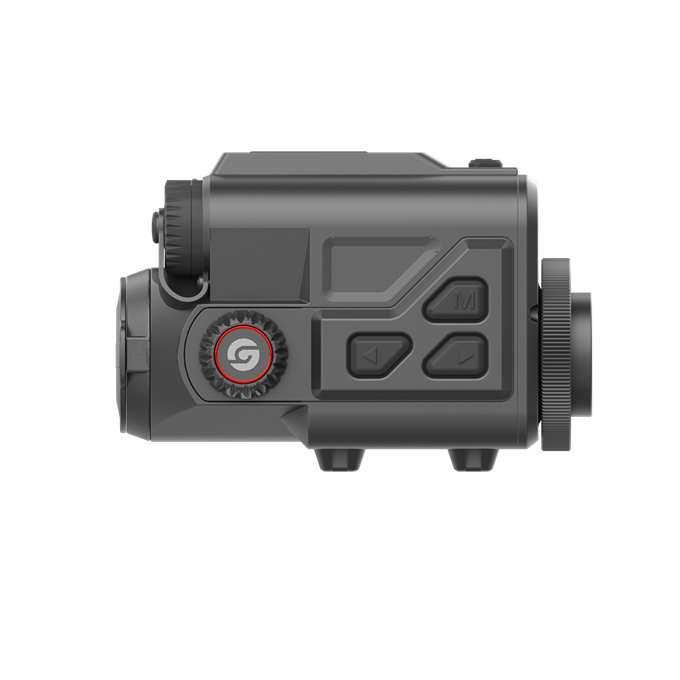
A clip-on thermal scope is mounted in front of your existing day optics. It instantly adds thermal imaging capabilities to your rifle without removing or replacing the primary sight. No retraining or system replacement is required. Thermal imaging capability is simply available when needed.
What is a Clip-On Thermal Scope?
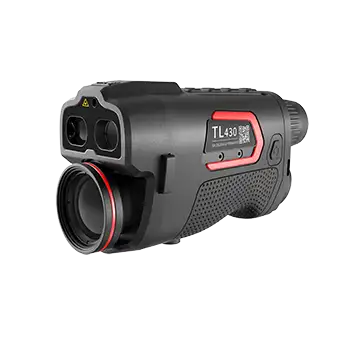
A clip-on thermal scope is a front-mounted thermal imaging accessory. It sits in front of a traditional rifle scope and projects a thermal image through existing optical systems.
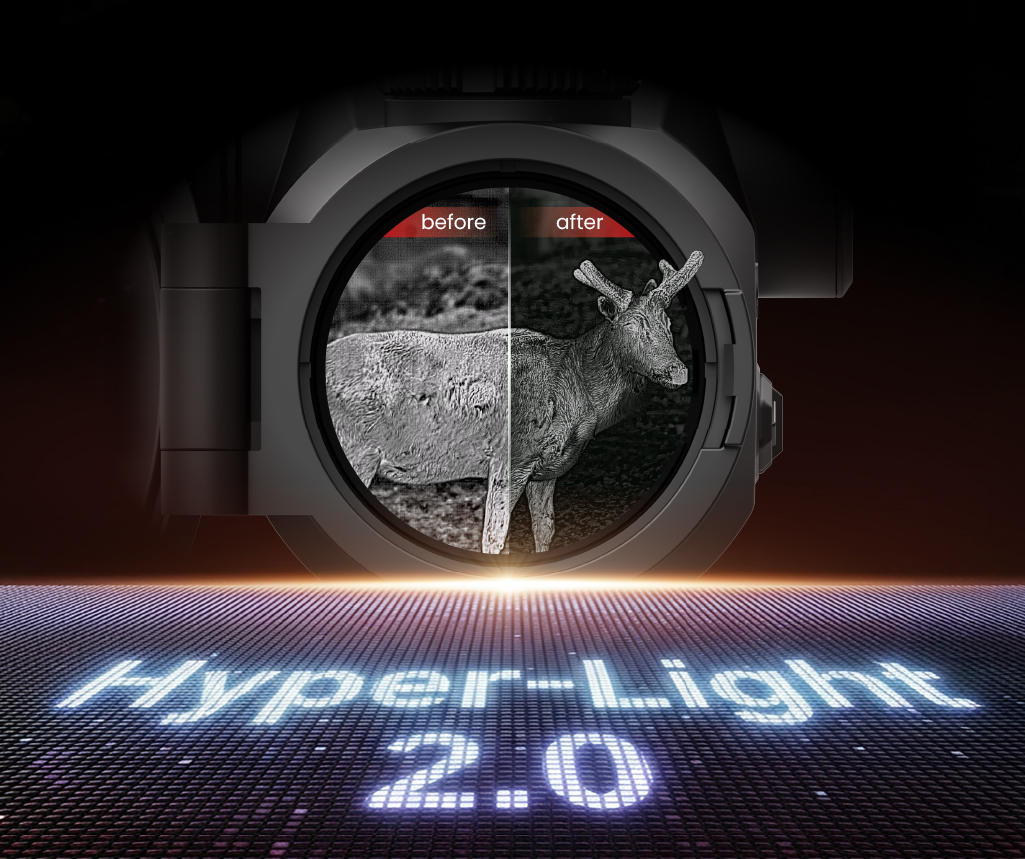
This device does not detect visible light; instead, it detects thermal signals. Animals, people, and vehicles all emit heat, which can be clearly seen even in complete darkness.
Since it is compatible with your existing scopes, you can retain:
lyour familiar with aiming lines
lyour normal eye distance
lyour usual shooting posture
lyour zeroing settings
This is a huge advantage for hunters who want thermal imaging without changing their daily routines.
Why Hunters Prefer Clip-On Thermal Attachments
Keep Your Zero
One of the biggest advantages of thermal clip-on scopes is that they don't replace your primary scope. Because they mount in front of the day optics, your rifle's zeroing point usually remains constant.
This saves time and avoids the hassle of re-zeroing in the wild.
This is important for serious boar hunters or predator hunters.
Instant Thermal Imaging Functionality
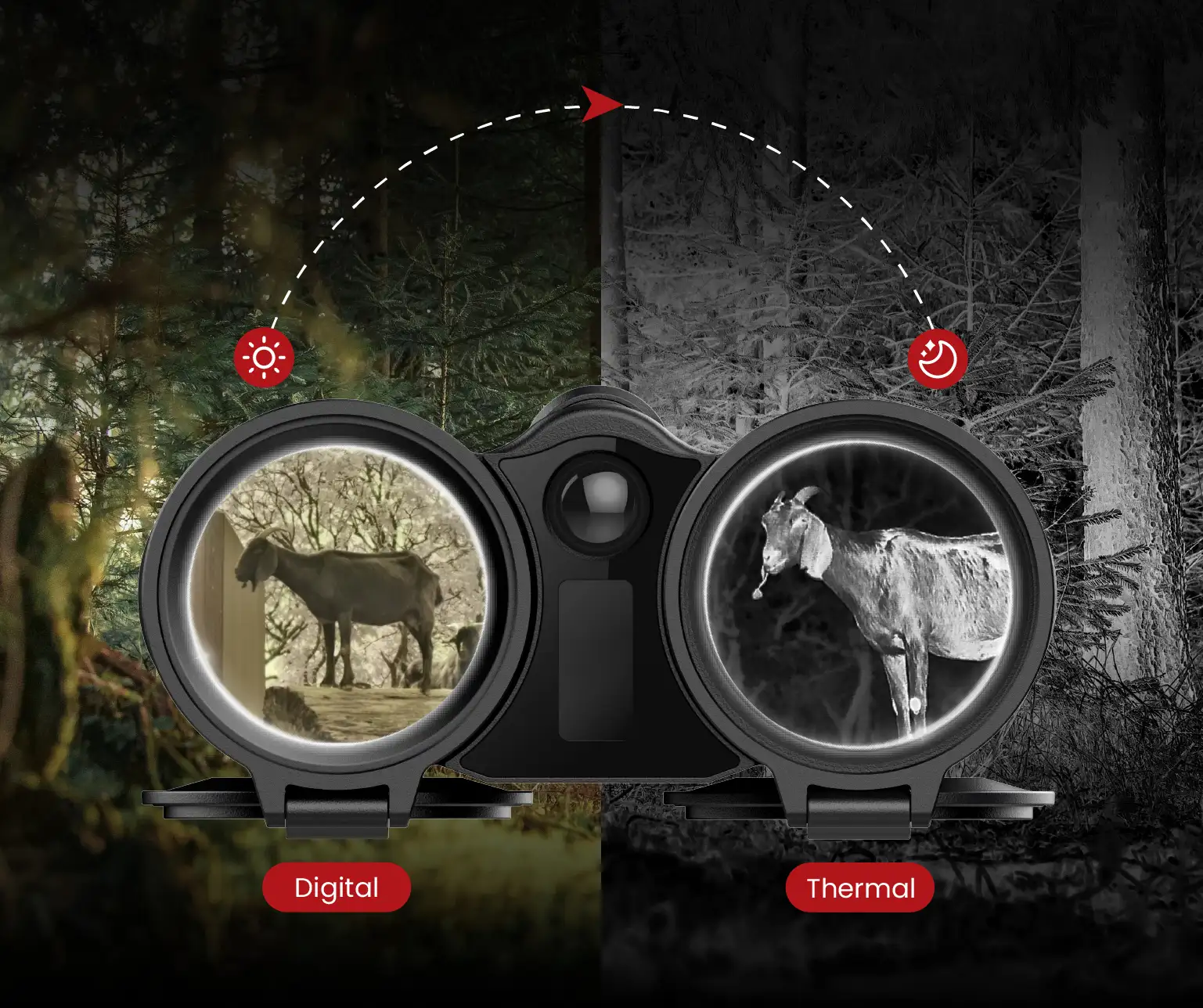
Easy switching between day and night operations is achieved with a clip-on thermal device.
During the day, you can remove the device and use your rifle normally. After sunset, attach the thermal imaging device and continue hunting.
No need to change scopes or reconfigure the rifle. This flexible device is suitable for a wide range of scenarios.
Natural Shooting Experience
Many shooters prefer clip-on thermal scopes because they retain a traditional field of view.
You still see through the familiar optical scope. The thermal image is naturally superimposed onto your field of view.
This reduces the learning curve. If you are already familiar with shooting with your existing scope, adding thermal imaging is like a system upgrade, not a complete system overhaul.
Performance in Real-World Hunting Environments
Thermal clip-on scopes perform well in:
lDim rural areas
lOvercast nights
lSparse bushes and grass
lOpen fields
While thermal imaging cannot penetrate solid objects, it penetrates sparse vegetation to detect heat better than traditional optical sights.
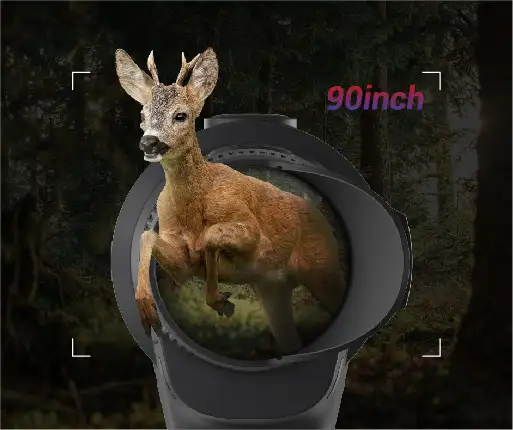
For wild boar hunters, this means it's easier to spot prey at the edge of fields or partially hidden in bushes.
Early prey detection gives you more time to plan your shot.
Key Features Buying Guide
When considering a thermal attachment for your rifle, it is essential to focus on its practical functions, not marketing hype.
Image Clarity
Choose a model with high image clarity, such as high thermal contrast. The clearer the thermal image, the easier it is to identify targets, thus ensuring safer shooting.
Detection Range
The Detection range determines the distance at which you can detect thermal signals. A longer detection range improves safety and the accuracy of your action plan.
Mounting Stability
A robust mounting system is essential. The equipment should be securely mounted and aligned with your existing optical scope.
Durability
Night hunting often involves dust, moisture, and rough handling. Choose thermal imaging attachments designed specifically for outdoor environments.
Clip-on Thermal Scopes vs. Dedicated Thermal Scopes
Some hunters hesitate between clip-on thermal scopes and dedicated thermal rifle scopes.
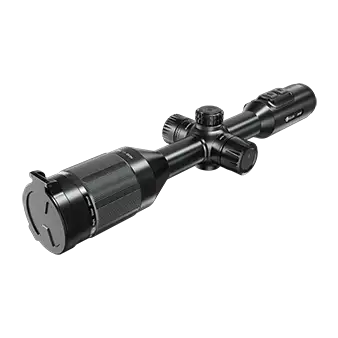
A dedicated thermal scope completely replaces the optical scope you use during the day. This provides an all-in-one solution but alters your shooting setup.
On the other hand, clip-on thermal scopes offer greater flexibility. You can use the same rifle and the same scope for both day and night hunting.
For shooters who value stability and ease of use, clip-on systems offer a balanced solution.
Is a Clip-on Thermal Scope Suitable for You?
If you meet the following criteria, a clip-on thermal scope is a good fit:
lYou already own a high-quality white light scope.
lYou want thermal imaging capabilities without modifying your rifle configuration.
lYou need to switch between day and night hunting.
lYou want to minimize changes to your shooting habits.
For someone building a dedicated night-hunting rifle from scratch, a clip-on thermal scope may not be necessary. But for many hunters, it's the most effective way to achieve thermal imaging capabilities.
Conclusion
Thermal imaging technology has revolutionized nighttime hunting. But upgrading doesn't mean replacing all your trusted gear. A single clip-on thermal imaging scope can instantly add thermal imaging capabilities to your rifle while retaining your familiar scopes, zeroing, and shooting habits.
For hunters seeking flexibility, reliability, and a smooth transition to thermal imaging, the clip-on system offers a practical solution. You don't need to rebuild your gear from scratch; simply add the features you need. Guide Outdoor manufactures and sells clip-on thermal scopes. Please contact us if you have any further questions.