




Thermal Clip-On Buying Guide for Hunters:What to Know Before You Buy
A thermal clip-on is a thermal imaging device designed to be mounted in front of a compatible daytime scope. It allows hunters to use thermal imaging capabilities while keeping their existing scope, eliminating the need to replace it with a dedicated thermal scope.
This design is ideal for hunters who already own and are accustomed to using daytime optical scopes, yet want to incorporate thermal imaging for hunting in low-light conditions. However, not all thermal clip-ons are compatible with every type of scope. Factors such as device compatibility, mounting position, optical alignment, and the intended use case must all be taken into consideration.
Before buying a thermal clip-on for hunting, it is important to understand how the device fits into an existing setup and what needs to be checked before use.
Check Compatibility With Your Existing Scope
When selecting a thermal clip-on device, compatibility should be your first consideration. Even if a device boasts impressive imaging specifications, its performance may prove unsatisfactory if it does not integrate well with your existing daytime scope or mounting system.
Begin by reviewing the compatibility information provided by the manufacturer. Pay close attention to supported scope configurations, mounting requirements, and any limitations regarding magnification or optical design. Some systems are designed for specific optical arrangements, so buyers should not assume that a clip-on will work with every scope.
Furthermore, ensure that the device can be mounted securely without interfering with the normal operation of your scope. A loose or incorrectly fitted connection can affect the setup and make consistent use difficult.
If the compatibility information is unclear, consult the manufacturer or an authorized dealer before making a purchase to confirm that your specific setup is viable. Checking these details in advance can help avoid unnecessary returns and installation problems.
Understand the Mounting System
The mounting system determines how easily a thermal imaging clip-on device can be installed, removed, and returned to its original position.
l Quick-Detach Convenience: Hunters should verify whether the product uses a dedicated adapter, a compatible quick-detach mount, or another type of attachment method. The mounting interface must be compatible with the equipment in use, and the device must be securely fixed in the correct position.
l Consistency is Key: For hunters who need to switch between daylight observation and thermal imaging modes, a quick-detach system can be highly convenient. However, convenience alone is not enough. The mount must also maintain consistent positioning and follow the manufacturer's installation instructions. Before heading into the field, always check for any looseness at the connection points and confirm that the device is installed exactly as specified. Never assume that a mount is secure simply because it appears to fit.
Evaluate Image Alignment and Point-of-Impact Consistency
When selecting a thermal imaging attachment, one of the most critical considerations is its compatibility with your existing optical system,such as a day-scope.
Because a clip-on device is mounted in front of the day-scope, its optical design and alignment directly affect the image viewed through the scope. If the device is not correctly matched or installed, the resulting image may be difficult to use.
Hunters should carefully review the manufacturer’s guidelines regarding optical alignment requirements, supported magnification ranges, and any necessary calibration or verification procedures. They should also understand the difference between producing a clear thermal image and maintaining the intended point of impact.
A clear image does not equate to a fully aligned system. Before hunting, always follow the manufacturer’s instructions and comply with local regulations by testing and verifying your system at a legal shooting range.
Choose the Right Image Resolution and Lens
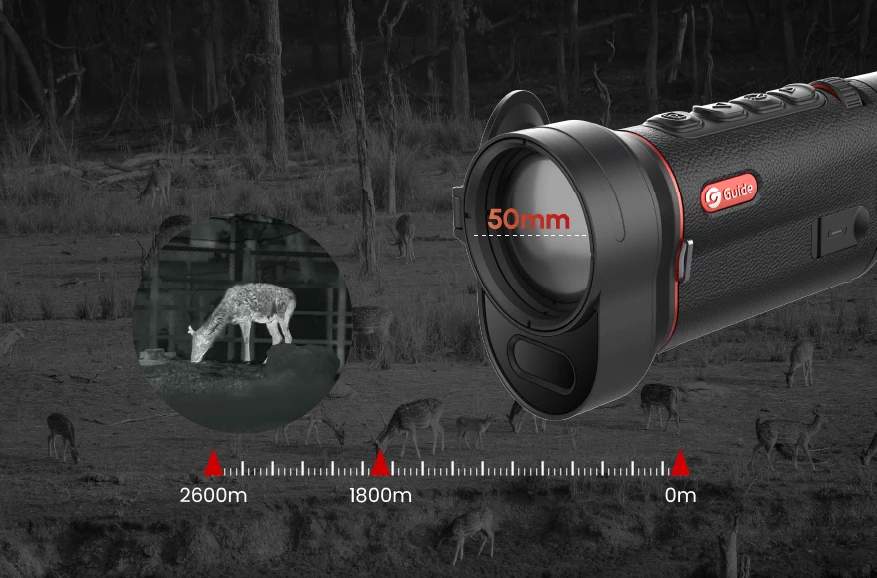
Image resolution and lens configuration affect what a hunter can observe through a thermal clip-on.
While a higher-resolution thermal sensor can capture more spatial detail, the device's actual performance also depends on its lens, optical compatibility, observation range, and image processing capabilities. When making a purchase, users should consider the environments where they typically hunt, rather than relying only on resolution as the deciding factor.
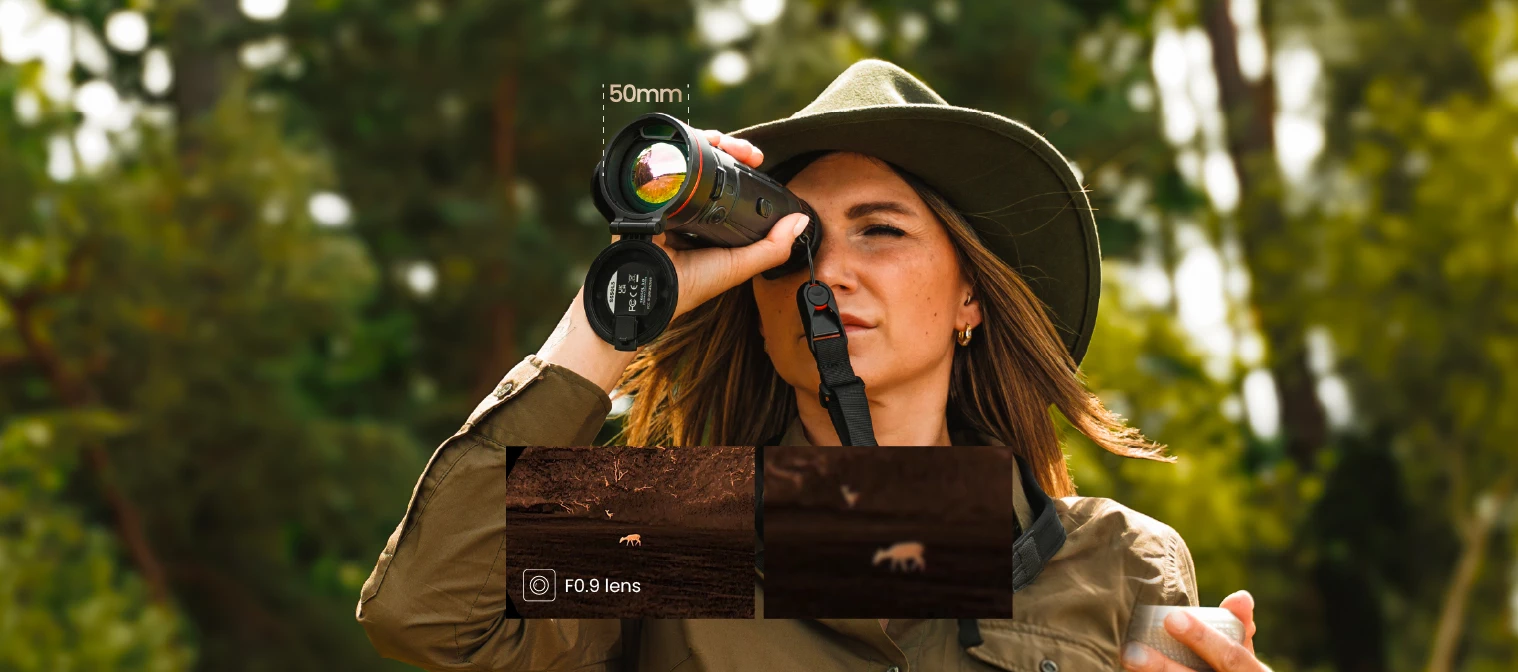
Lens design also matters. Different focal lengths correspond to different fields of view: a wider field of view is useful for scanning large areas, while a narrower field of view is better suited for detailed observation of specific targets.
Before finalizing your configuration, be sure to consider your typical hunting environment. Hunters who frequently operate in complex terrain may have different observational needs than those who primarily hunt in open country. The best thermal clip-on is the one that suits the intended environment and works correctly with the existing optic.
Consider Weight, Battery Life, and Controls
Adding a thermal imaging clip-on device increases the weight at the front of your rifle scope. This can change the balance of your entire setup, which may become particularly noticeable during extended periods of use.
Please make sure to confirm the total weight of the equipment and mounting components, not just the weight of the thermal imaging device itself. Consider whether the added weight affects handling, transport, and the way the equipment is carried.
Battery life is another critical factor. Since hunters often spend several hours in the field, you should check the manufacturer’s stated battery life and understand how ambient temperature and operating conditions can impact performance.
Controls should also be practical. Intuitive buttons and adjustments make the device easier to operate in low-light environments. Before heading into the field, learn the controls, charging or battery requirements, and basic troubleshooting steps.
Review Durability, Warranty, and After-Sales Support
Outdoor equipment is often exposed to rain, dust, temperature changes, and accidental impacts. Clip-on thermal devices should be capable of withstanding the environments in which they are intended to be used.
Check the manufacturer’s specifications regarding ingress protection ratings, operating temperature ranges, and impact resistance. Do not assume that every thermal device is waterproof or suitable for all weather conditions.
Furthermore, consider the warranty terms and after-sales support. It is advisable to look into the warranty duration, service options, availability of spare parts, and the procedures for addressing technical issues. For equipment that must work reliably in the field, accessible support can be just as important as the advertised specifications.
Conclusion
When selecting a thermal clip-on, one should look beyond mere sensor resolution or image quality. Factors such as device compatibility, mounting stability, optical alignment, field of view, weight, battery life, and after-sales support are equally important.
A suitable thermal clip-on should integrate correctly with the existing optical system and match the hunter's usual environment. Before purchasing, please be sure to confirm compatibility with the manufacturer, understand the installation requirements, and verify the complete setup according to the relevant instructions and local regulations.
By considering these factors in advance, hunters can make more informed decisions, ensuring they choose a thermal clip-on that aligns with their existing equipment and meets their specific practical needs.