


.png.webp)





Looking for something?
Find the latest content, resources, solutions, and product information

Wildlife Observation with a Thermal Monocular: A Guide to the KODIAK 3.0
The Guide Kodiak 3.0 thermal imaging monocular combines thermal imaging technology, a built-in laser rangefinder, and a compact handheld design. These features make it worth consid...
View More
Amber Sepia on the Guide KODIAK 3.0: What Does It Offer
Amber Sepia is a warm-toned thermal imaging palette available on the Guide Kodiak 3.0 thermal monoculars. Unlike traditional black-and-white display modes, this scheme utilizes amb...
View More
Thermal Monocular with Laser Rangefinder: Is It Worth It
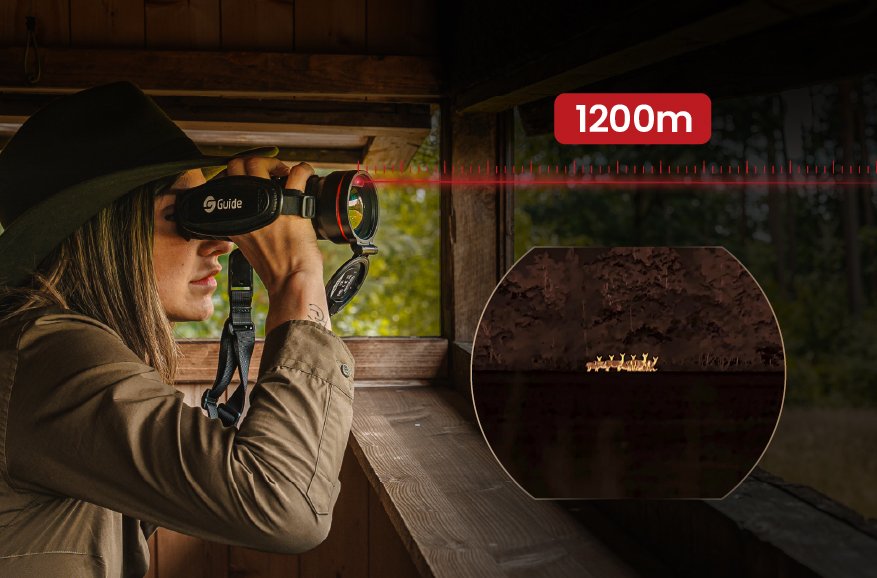
That is where a built-in laser rangefinder (LRF) can make a difference. By measuring the distance to a suitable target, it provides additional information for field observation and...
View More
25Hz vs 50Hz vs 60Hz Thermal Refresh Rate: Does It Really Matter for Hunting
Understanding thermal refresh rate helps buyers choose a device that matches their observation needs, whether they use thermal monoculars for hunting, outdoor exploration, or profe...
View More

How Thermal Devices Improve Outdoor Situational Awareness
Thermal devices can support this process by adding heat-based information to normal visual observation. Thermal monoculars, thermal binoculars, handheld thermal cameras, and other...
View More

How Thermal Sensors Work: From Microbolometer to Thermal Image
Understanding how a thermal sensor works helps explain why sensor design, readout electronics, calibration, and image processing all have a direct effect on final image quality.
View More
12μm vs 17μm Thermal Imaging: What Is the Difference
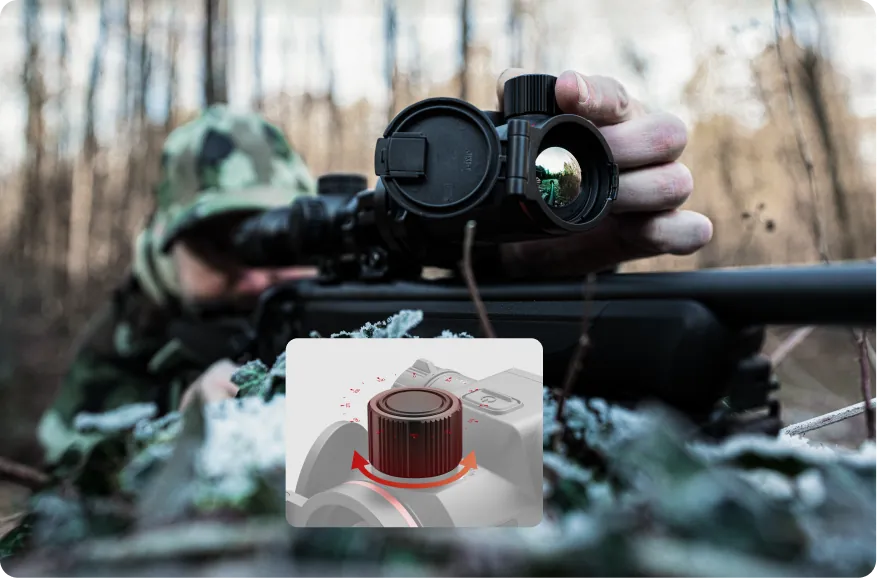
So, what is the difference between a 12μm and 17μm thermal sensor? More importantly, which one is better for a particular thermal imaging application?
View More

Thermal Hunting Tips: Using Thermal Imaging at Dawn and Dusk
This is where a thermal scope or thermal monocular for hunting can become especially useful. Unlike traditional optical equipment, thermal imaging technology does not rely on visib...
View More

What Is Thermal Imaging and How Does It Work
Thermal imaging is a technology that allows people to see differences in heat. Unlike ordinary cameras that capture visible light, thermal imaging devices operate by detecting the...
View More
How Thermal Scopes Improve Night Hunting in Low-Light Conditions
This is where a thermal scope for night hunting can provide a practical advantage. Thermal imaging technology does not rely on visible light; instead, it operates by detecting heat...
View More









.png.webp)

.png)
