
.png)
.png)





Wildlife Observation with a Thermal Monocular: A Guide to the KODIAK 3.0
Wildlife observation is not just about spotting animals. It is also about watching their natural behavior, understanding their movement, and observing them without getting too close. However, animals can be difficult to detect in areas with dense vegetation, dim light, or deep shade.
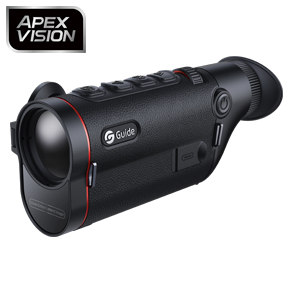
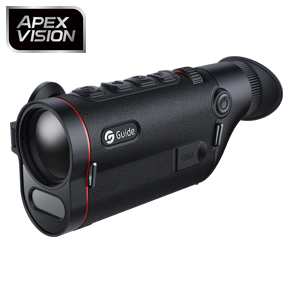
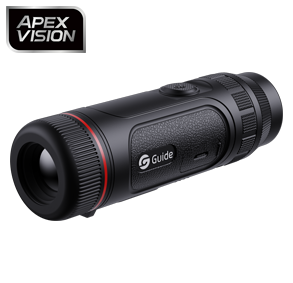
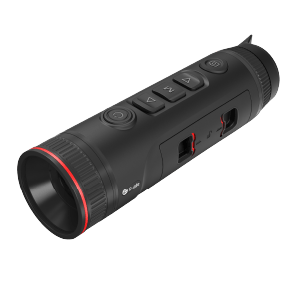
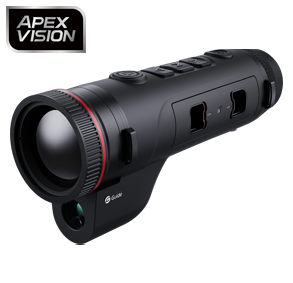
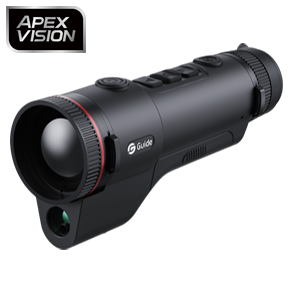
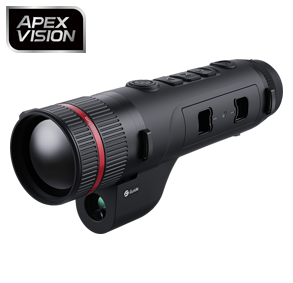
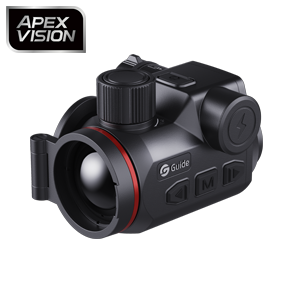
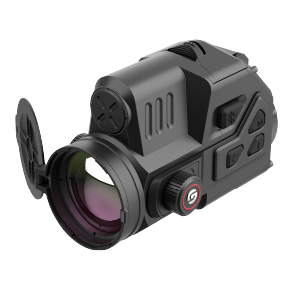
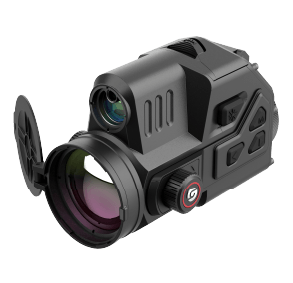
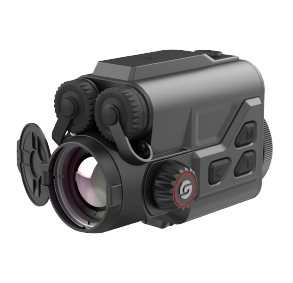
Thermal imaging monoculars help wildlife enthusiasts detect heat signatures in their surroundings. The Guide Kodiak 3.0 thermal imaging monocular combines thermal imaging technology, a built-in laser rangefinder, and a compact handheld design. These features make it worth considering for wildlife observation, nature exploration, and outdoor photography preparation.
Why Use Thermal Imaging for Wildlife Observation?
Traditional binoculars rely on visible light, so their performance can be affected by darkness, shadows, and poor lighting. Thermal imaging operates on a completely different principle: it detects infrared radiation emitted by objects and converts temperature differences into a visible image.
This allows observers to spot warm-blooded animals with lower background temperatures in darker or less detailed environments. Thermal imaging is useful for scanning woodland edges, open fields, hillsides, and other natural habitats, particularly when animals are active in low light.
However, thermal imaging devices do not provide the rich visual detail found in standard optical equipment. While they help users locate animals, accurately identifying the species often requires further visual confirmation. Additionally, obstacles such as trees, rocks, and dense vegetation can obstruct the thermal view.
Wildlife Observation Scenarios for Kodiak 3.0
Observing Wildlife at Dawn and Dusk
Many wildlife species are active during early morning or late evening. During these times, rapidly changing visible light conditions make it difficult to scan the environment using conventional optical equipment.
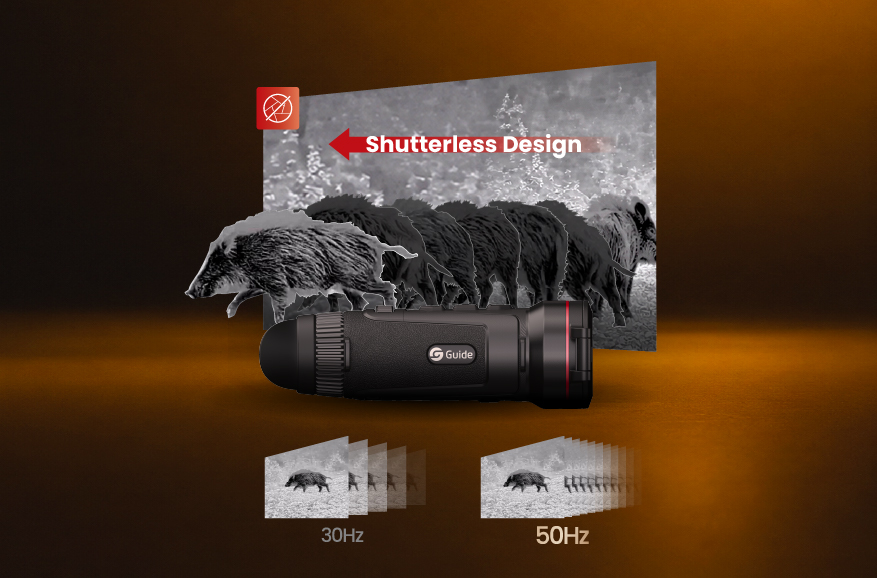
The Kodiak 3.0 thermal monocular helps users detect heat signatures while outdoors. Its 50Hz frame rate and Shutterless 3.0 technology are designed to provide smooth, responsive thermal imagery, which can be helpful when observing animals that move across a field or along a forest edge.
Observers should maintain a respectful distance to avoid disturbing animals during sensitive periods, such as breeding or raising young.
Scanning Open Fields and Forest Edges
Wildlife may remain motionless or blend into the surroundings, making them difficult to spot with the naked eye. A thermal monocular gives observers another way to scan an area before deciding where to focus their attention.
The Kodiak 3.0 series offers two lens options: the TK635L 3.0 features a 35mm F0.9 lens with a wider field of view, while the TK650L 3.0 utilizes a 50mm F0.9 lens with a narrower field of view, making it suitable for long-range observation.
Model | Lens | Typical Advantage | Suitable For |
KODIAK TK635L 3.0 | 35 mm F0.9 | Wider field of view | Scanning broad areas and following nearby movement |
KODIAK TK650L 3.0 | 50 mm F0.9 | Narrower field of view and higher base magnification | Observing more distant areas |
A wider field of view can make it easier to scan a broad area and keep moving wildlife in view. A longer focal-length lens provides higher base magnification but covers a narrower area at the same viewing distance. The better option depends on the habitat, typical observation distance and whether you prioritize broad scanning or a closer view of distant heat signatures.
Estimating Distance Without Approaching Animals
Getting too close can change an animal's behavior or cause unnecessary stress. Maintaining a proper distance is a key principle of responsible wildlife observation.
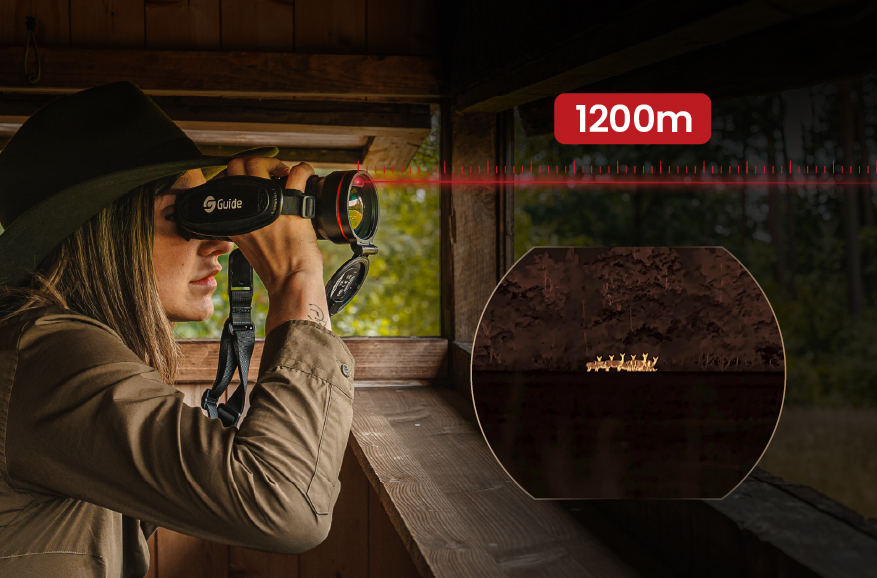
Both Kodiak 3.0 models feature a built-in laser rangefinder with a rated range of up to 1,200 meters under ideal conditions. This allows users to measure the distance to a suitable target without walking closer simply to estimate its position.
Actual ranging performance is influenced by target characteristics and environmental conditions. Users should also follow local wildlife regulations and maintain appropriate observation distances.
Supporting Wildlife Surveys and Nature Exploration
Thermal imaging monoculars are highly valuable tools for nature enthusiasts, outdoor educators, and wildlife survey teams who need to scan large areas or observe animals in low-light conditions.
For example, observers can use thermal imaging to locate heat signatures and record the time and place of the sighting, subsequently using visible-light optics or other methods to identify the animal species. This can support a more organized observation process without relying on thermal images alone.
Researchers should select equipment according to their survey methods and requirements. Thermal detection does not automatically identify species, establish animal numbers, or replace professional wildlife monitoring procedures.
Key Kodiak 3.0 Features for Outdoor Observation
The Guide Kodiak 3.0 is designed to combine useful observation features in one handheld device.
640×512 Thermal Resolution: Both models use a 12μm infrared sensor to deliver thermal imagery, enabling users to identify thermal signatures.
15mK NETD: This specification indicates the system's ability to distinguish minute temperature differences under specific conditions. Actual image results also depend on the environment and overall system performance.
50Hz Frame Rate: Supports smooth viewing when scanning an area or following moving animals.
Built-in Laser Rangefinder: Measures target distance under suitable conditions, helping observers understand how far away an animal is.
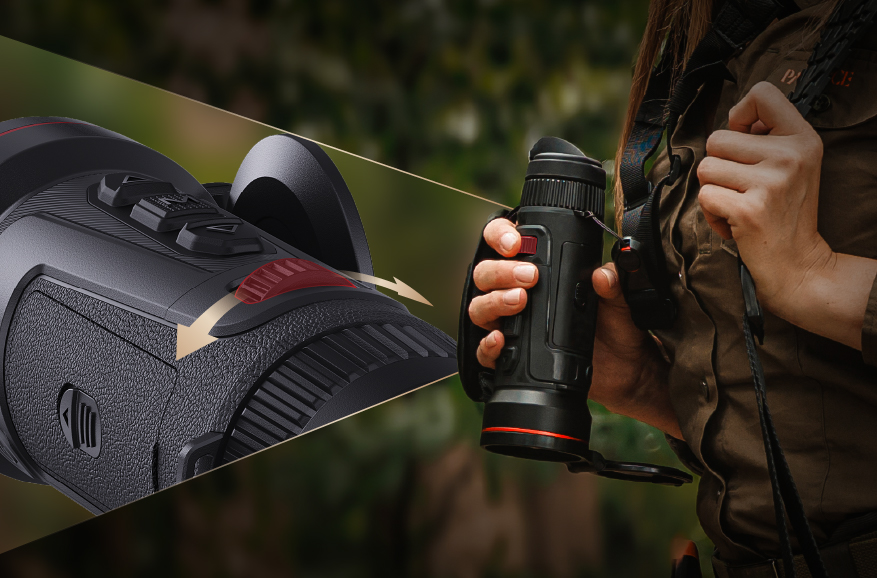
Compact, Ambidextrous Design: Designed for comfortable handling by left- and right-handed users, with a physical focus wheel for convenient manual focusing.
IP67 Protection Rating: Offers dust and water resistance within the product's specified operating limits.
The device also features a 2560×2560 AMOLED display and supports a 3-second quick start-up. Together, these features support a practical setup for users who want to begin observing quickly and move between viewing areas.
Tips for Responsible Thermal Wildlife Observation
While thermal imaging technology makes it easier to detect animals, responsible observation depends on how the equipment is used.
First, scan slowly and avoid repeatedly approaching an animal once it has been spotted. Second, use thermal imaging as a detection aid rather than the only method of identification. Third, never use visible light, create noise, or enter restricted habitats in an attempt to get a closer look.
For wildlife photography, a thermal monocular can help locate an animal before switching to a conventional camera. It does not replace a camera lens for capturing natural colors, fine details, or documentary-quality photographs.
Always follow local rules, respect private land, and give wildlife enough space to behave naturally.
Conclusion
The Guide Kodiak 3.0 thermal imaging monocular is a compelling choice for wildlife enthusiasts looking to explore natural habitats, scan open areas, and observe animal activity in low-light conditions. Its two lens options, 50Hz thermal imaging, built-in laser rangefinder, and compact handheld design support different outdoor observation needs.
Thermal imaging is most effective when integrated into a broader approach to wildlife observation. By combining thermal detection with careful distance management, visual confirmation, and responsible field conduct, users can gain a better understanding of wildlife while minimizing disturbance.