
.png)
.png)
.png)





What Is Thermal Imaging and How Does It Work
Thermal imaging is a technology that allows people to see differences in heat. Unlike ordinary cameras that capture visible light, thermal imaging devices operate by detecting the infrared energy emitted by objects and converting it into images.
This technology is now used in many fields, including hunting, outdoor observation, search and rescue, security, equipment inspection, and building monitoring.
But how does thermal imaging actually work? And what can a thermal camera or thermal scope really show?
Understanding the basic principles is the first step before choosing the right thermal imaging product.
Thermal Imaging Does Not Depend on Visible Light
The simplest way to understand thermal imaging is to compare it with a normal camera.
Standard cameras require visible light to capture images. When the environment becomes dark, the camera needs additional lighting or another imaging method.
Thermal imaging works differently. Objects naturally emit infrared energy based on their temperature. Thermal imaging detectors, commonly based on uncooled microbolometer technology, detect infrared radiation and convert the received energy into electrical signals.
This means that thermal imaging devices do not require the visible light essential for standard cameras.
A warm person, animal, vehicle, or piece of equipment can appear differently from a cooler background.
How Does a Thermal Imaging Device Create an Image?
The process can be broken into several basic steps.
First, infrared energy from the scene enters the device through the thermal imaging lens. The detector uses many tiny sensing elements to detect this energy.
Each sensing element measures infrared radiation from a specific area of the scene. The system then converts these measurements into electrical signals.
An image processor analyzes the data and assigns display values based on the different temperature levels.
The resulting thermal image provides a visual representation of temperature differences within the scene.
In short:
Infrared energy → Thermal detector → Electrical signals → Image processing → Thermal image
The user sees the processed result on a screen rather than the infrared energy itself.
What Does a Thermal Image Actually Show?
Thermal images do not directly show an object's normal color or surface appearance.
Instead, they show differences in thermal energy.
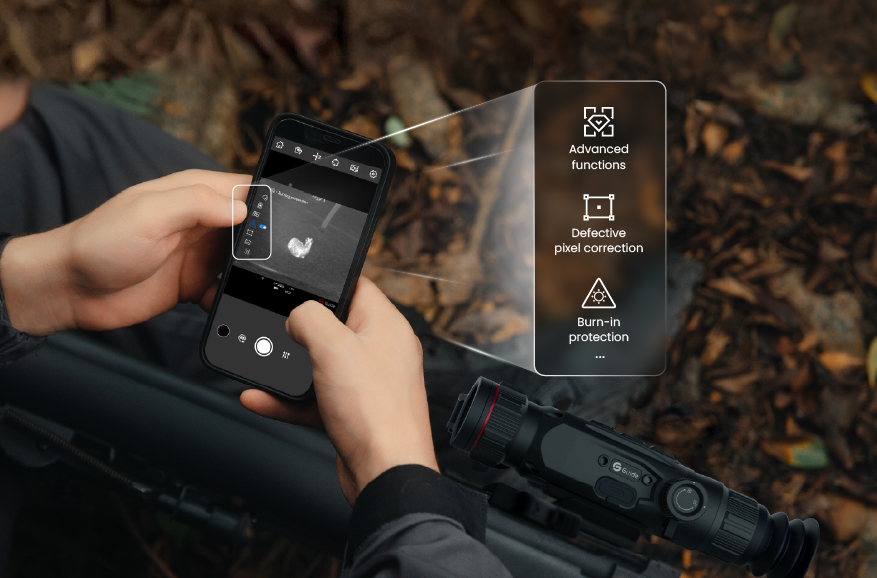
For example, depending on the selected display mode, an animal with a higher body temperature might appear brighter or darker than the surrounding ground in the image.
Different color palettes can represent these temperature differences in different ways. Some users prefer simple black-and-white images, while others may find color palettes easier to understand.
The key point is that thermal imaging displays temperature distribution characteristics rather than the kind of visual imagery found in standard photographs.
Why Temperature Differences Matter
Thermal imaging becomes most useful when there is a meaningful difference between a target and its surroundings.
A warm object against a cool background can be easy to detect. But if the target and background have similar temperatures, the thermal image may have less contrast.
For this reason, thermal imaging performance can vary depending on the time of day or changing weather conditions.
Sunlight, rain, humidity, wind, and changing surface temperatures can all affect the thermal characteristics of a scene.
Understanding this helps users avoid the common misconception that thermal imaging always produces the same image quality in every situation.
Thermal Imaging vs. Night Vision
Thermal imaging and night vision technologies are often confused, but they work differently.
Night vision technology typically relies on ambient light to produce a visible image, while thermal imaging creates images by detecting infrared energy.
Each technology offers different advantages.
Night vision can provide more familiar details such as shapes, textures, and terrain when enough light is available.
Thermal imaging, on the other hand, clearly displays temperature differences, even in environments with extremely low light.
Neither technology is perfect for every situation. The better choice depends on whether the user needs more environmental detail or stronger heat-based detection.
What Can Thermal Imaging Be Used For?
Thermal imaging is no longer limited to specialized applications.
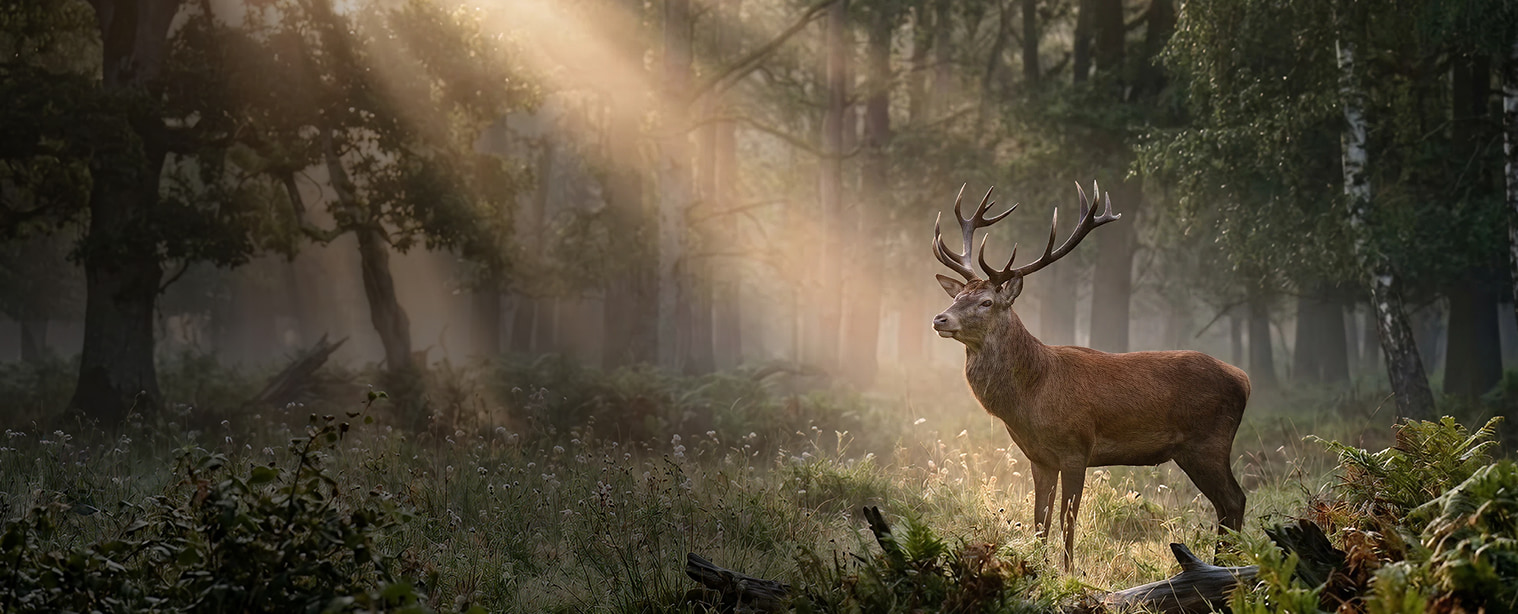
For hunters, thermal imaging scopes, monoculars, and binoculars aid in observing wildlife in low-light conditions.
For search and rescue teams, thermal imaging equipment facilitates the scanning of vast outdoor areas and helps identify priority zones for closer investigation.
For security forces, thermal imaging can provide mobile observation in areas where fixed visible-light cameras have limited coverage.
Thermal cameras can also support equipment monitoring, building checks, electrical inspection, and other professional applications.
This demonstrates how a single fundamental imaging principle can support a wide variety of distinct tasks.
Different Thermal Products Serve Different Needs
Not every thermal imaging device is designed for the same purpose.
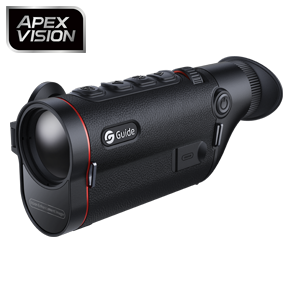
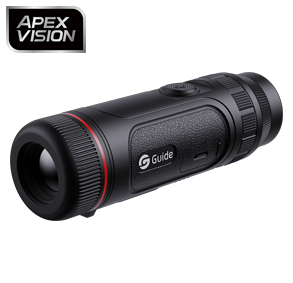
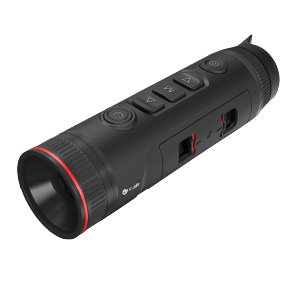
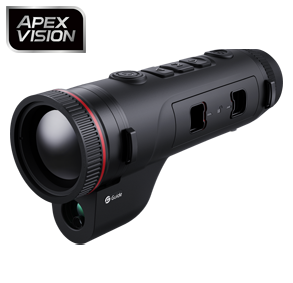
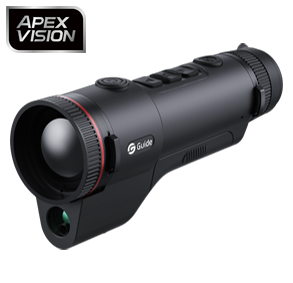
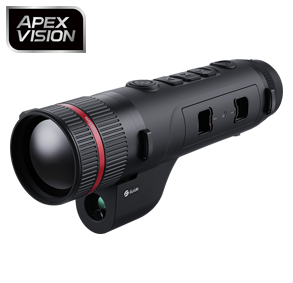
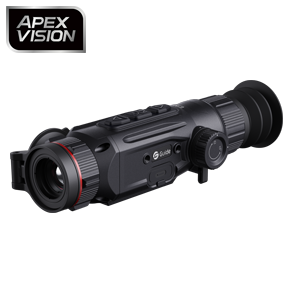
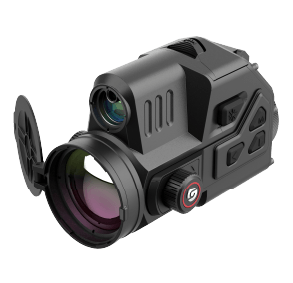
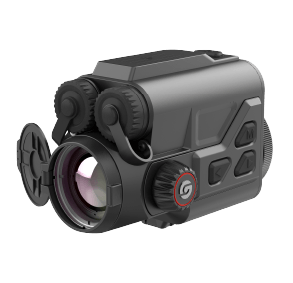
Thermal imaging monoculars are compact and portable, making them useful for mobile observation.
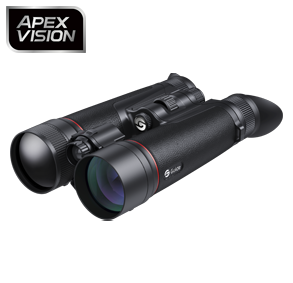
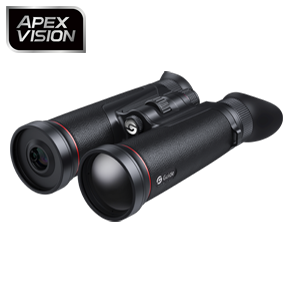
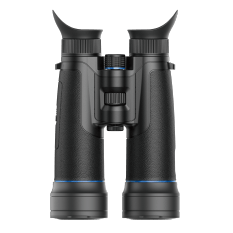
Thermal imaging binoculars allow for two-eyed viewing, making them suitable for longer observation sessions.
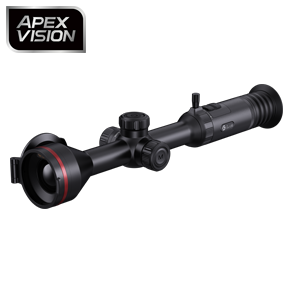
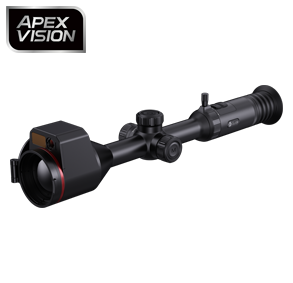
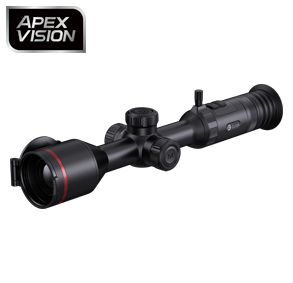
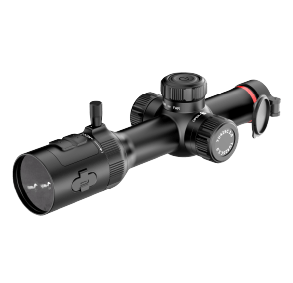
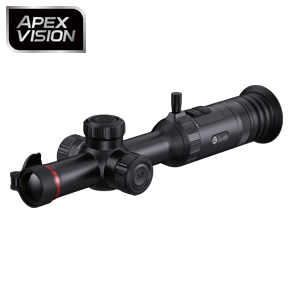
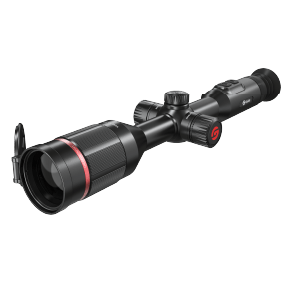
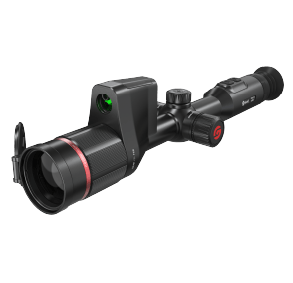
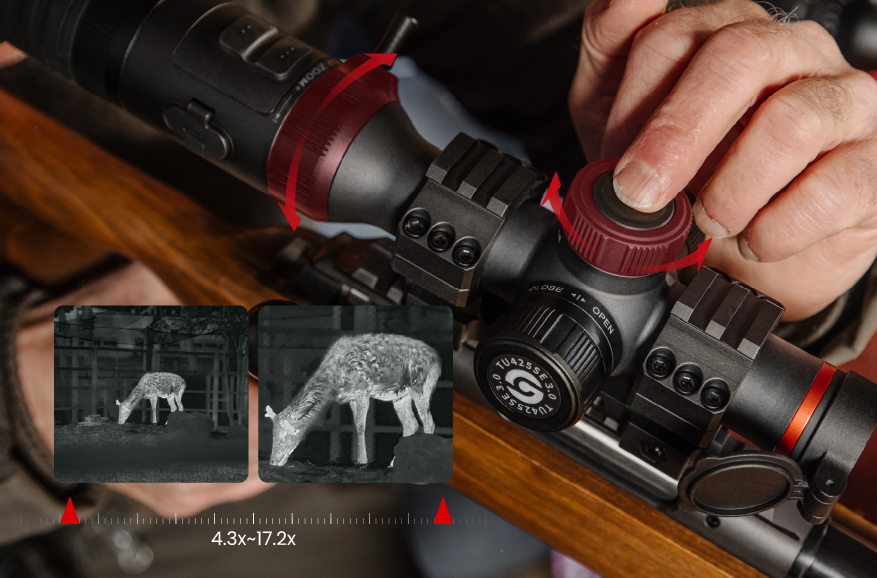
Thermal imaging scopes are designed for integration with observation or aiming systems and are commonly used in hunting applications.
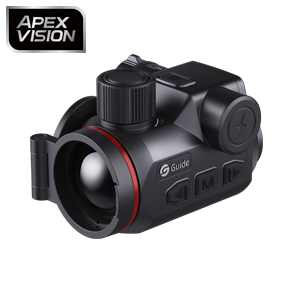
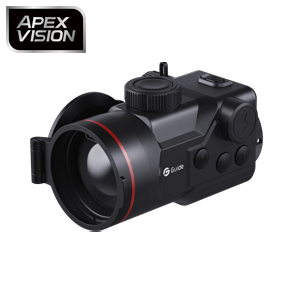
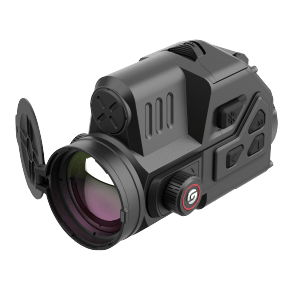
There are also thermal imaging clip-ons, handheld thermal cameras, and other specialized products.
Choosing the right product starts with understanding the task rather than simply looking for the highest specification.
What Affects Thermal Image Quality?
A variety of factors influence the final thermal image.
The thermal detector determines the amount of temperature information the device can capture, while the lens affects how infrared energy is collected and how the scene is presented.
Image processing technology enhances contrast and reduces visual noise, while the display determines the clarity with which the processed information is presented to the user.
Environmental conditions are also crucial.
This is why two thermal devices with similar specifications can still provide different viewing experiences.
From Thermal Imaging Technology to Real-World Applications
Once the basic principles are understood, it is easy to see why thermal imaging technology plays a vital role across such a wide range of fields.
This technology helps users observe thermal distribution features that are difficult or even impossible to capture with ordinary visible light cameras.
For outdoor users, hunters, search and rescue teams, and security professionals, the right thermal imaging equipment transforms this fundamental sensing capability into a practical observation tool.
Guide provides thermal imaging solutions for hunting, outdoor exploration, search and rescue, and other professional applications, offering different product types for different operating needs.
Conclusion
So, what is thermal imaging and how does it work?
Thermal imaging technology operates by detecting infrared energy emitted by objects and converting differences in that energy into visible images.
Unlike ordinary cameras, it does not rely on visible light to produce thermal information. Instead, it reveals temperature patterns that can help users understand what is happening in a scene.
This technology is suitable for a wide range of applications, spanning everything from thermal monoculars and binoculars to thermal scopes and professional thermal cameras.
The key is to choose a thermal imaging product that matches the environment, viewing task, and level of detail required.












.png)

.png)
