
.png)
.png)
.png)





How Thermal Scopes Improve Night Hunting in Low-Light Conditions
Night hunting creates problems that do not exist in daylight. Once the sun goes down, familiar terrain becomes harder to read, shadows become deeper, and animals can move through the area without being noticed.
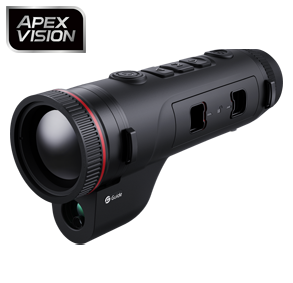
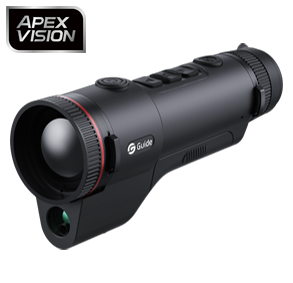
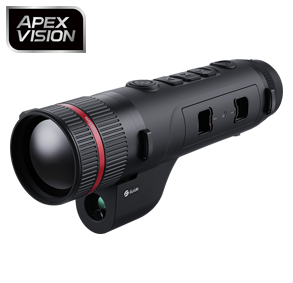
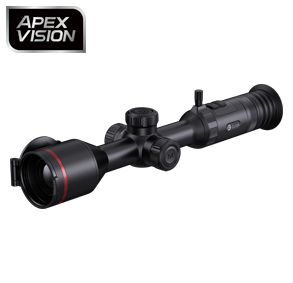
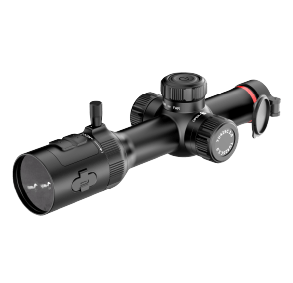
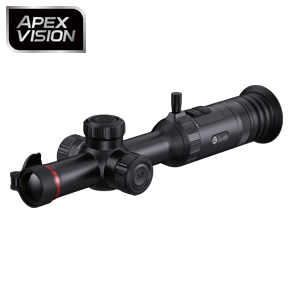
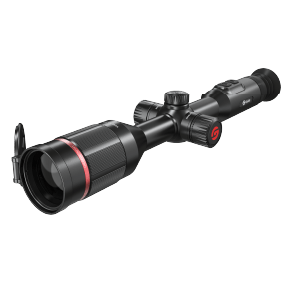
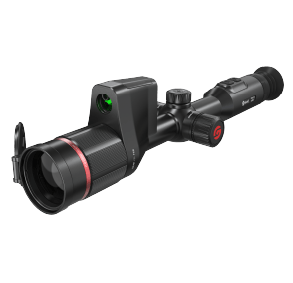
This is where a thermal scope for night hunting can provide a practical advantage. Thermal imaging technology does not rely on visible light; instead, it operates by detecting heat differences and converting them into images, allowing hunters to continue observing even when visibility is otherwise limited.
The value of thermal imaging at night is not just about seeing in darkness. It changes how hunters deal with low-light conditions and short periods of animal activity.
Nighttime Changes How Hunters Find Animals
During the day, hunters can use shape, color, and movement to locate animals. At night, these visual clues become much harder to use.
A dark-colored animal moving against a dim background is difficult to detect, even at close range.
Thermal imaging technology provides hunters with an alternative source of information: heat. A warm animal can stand out from a cooler background, making the first detection easier.
This can reduce the amount of time spent trying to identify faint movement in the dark.
Thermal Scopes Work When Visible Light Disappears
Moonlight and starlight vary from night to night, and factors such as cloud cover, terrain, and shadows can further reduce available light.
A thermal scope does not depend on these conditions in the same way. It detects infrared energy naturally emitted by objects.
This makes thermal imaging technology particularly useful when darkness is too intense for conventional visual observation.
For hunters, this means the device can still function even after sunset, without becoming increasingly reliant on ambient light like traditional optical devices.
See Activity in Dark and Shadowed Areas
Nighttime hunting areas often contain deep shadows.
When animals are positioned near forest edges, thickets, or dark ground, they can be difficult to identify using traditional optics, as the target may blend in with the background.
A thermal scope can highlight differences in temperature instead of relying on color and brightness.
This gives hunters another way to examine shadowed areas and may help reveal activity that is difficult to notice visually.
Keep Track of Animals After Darkness Sets In
Nighttime movement can be difficult to follow.
Animals may cross open terrain and immediately vanish into dense vegetation, disappearing from plain sight within mere seconds. Once visual contact is lost, finding it again can take time.
Thermal imaging provides a consistent way to continue watching the area for heat activity.
For night hunting with a thermal scope, this can be useful because the hunter does not have to wait for the animal to return to a well-lit position before continuing observation.
Make Better Use of Short Nighttime Opportunities
Night hunting opportunities can be brief.
Game may appear only briefly before changing direction or vanishing into cover; in such moments, there is usually no time to wait for better lighting conditions.
A thermal scope can help hunters respond to these short opportunities because it does not require the target to enter a brightly illuminated area.
This means that night observation is no longer overly dependent on perfect visual conditions.
Thermal Scopes and Night Vision Are Not the Same
Night vision and thermal imaging are often considered alternatives, but they provide different information.
Night vision generally produces a more recognizable view of the environment because it uses available light. This can make terrain and physical objects easier to understand.
Thermal imaging technology, on the other hand, focuses on detecting temperature differences. Thermal imaging can make warm animals easier to detect against cooler backgrounds, particularly when visible contrast is low.
The choice depends on the task. Hunters who want to understand the surrounding terrain may appreciate night vision, while those who prioritize locating warm animals may prefer thermal imaging.
Why Night Hunting Requires Comfortable Operation
Night hunting often involves long periods of observation.
If the equipment is complex to operate, hunters may struggle when quick adjustments are needed in the dark.
Simple controls, clear displays, suitable ergonomics, and reliable battery performance are therefore important.
A thermal imaging scope should not only deliver clear, practical imagery but also ensure that hunters can operate it without being distracted by the device itself.
Night Hunting in Various Environments
The benefits of thermal imaging can vary by location.
In wooded areas, thermal imaging helps detect heat sources along forest edges and in clearings.
In open terrain, hunters can monitor vast, dark areas using thermal imaging without the need for bright artificial lighting.
Along the edges of grasslands or fields, thermal imaging can also reveal signs of activity that are difficult to detect with standard optical equipment.
The exact results depend on the environment and the difference in temperature between the target and its surroundings.
What Makes a Thermal Scope Useful at Night?
For nighttime hunting, several features work together.
Detector resolution determines image detail, while lens performance influences how the scene is presented. Image processing technology enhances contrast and clarity, and an appropriate refresh rate makes it easier to track moving targets.
Battery life and overall weight are equally critical, as night hunts often last for several hours.
The best thermal scope is not simply the one with the highest specification. It is the one that provides reliable performance in the conditions where the hunter actually operates.
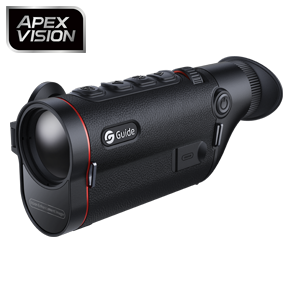
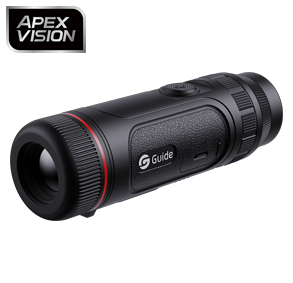
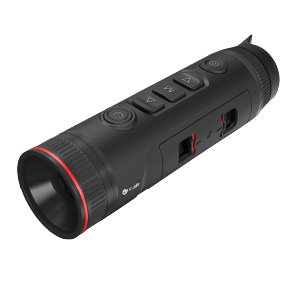
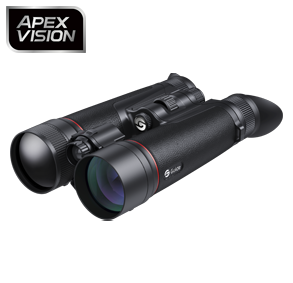
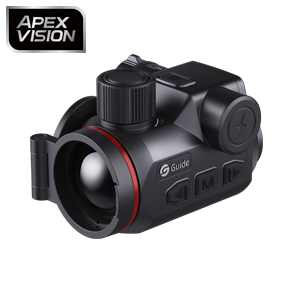
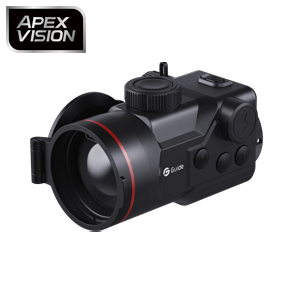
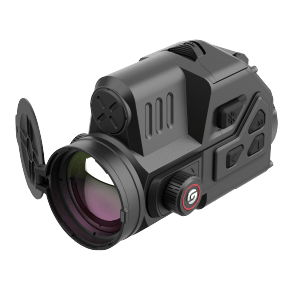
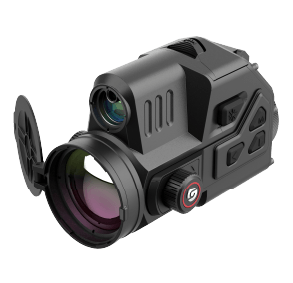
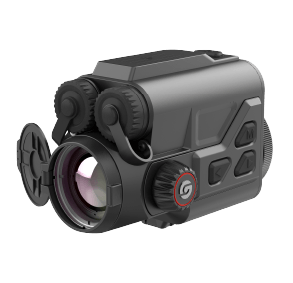
Guide offers thermal imaging solutions for hunting and outdoor use, combining thermal imaging technology with practical designs for nighttime observation.
Conclusion
Thermal hunting scopes overcome the limitations imposed by darkness, thereby increasing the success rate of night hunting.
They enable hunters to detect heat signatures when visual details are difficult to discern, continue observation after visible light fades, monitor shadowed areas, and react quickly to fleeting hunting opportunities at night.
Thermal imaging differs from night vision technology; while night vision produces images that closely resemble what the human eye is accustomed to, thermal imaging focuses on capturing temperature differences, making it easier to spot animals in the dark.
For hunters who regularly operate after sunset, a reliable thermal scope can make nighttime observation more consistent and easier to manage.












.png)

.png)
