
.png)
.png)
.png)





Uncooled Thermal Sensors for Hunting: How They Work and Why They Matter in the Field
For hunters, observing animals in low-light conditions is no easy task. While traditional optical equipment relies on visible light, thermal imaging technology creates images by detecting the infrared radiation emitted by objects.
At the heart of many thermal imaging devices is an uncooled infrared sensor. Capable of detecting temperature differences without needing a mechanical cooling system, these sensors allow for compact, lightweight devices that are suitable for outdoor hunting.
So, how do uncooled infrared sensors work, and why are they so useful for hunters?
What Is an Uncooled Infrared Sensor?
Uncooled infrared sensors detect infrared radiation instead of visible light. Every object with a temperature above absolute zero emits infrared energy.
Animals can be easily detected because their body temperature differs from the surrounding environment.
Unlike cooled infrared sensors, uncooled sensors do not require cryogenic cooling, enabling thermal imaging devices to feature more compact and portable designs.
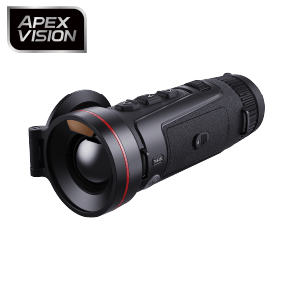
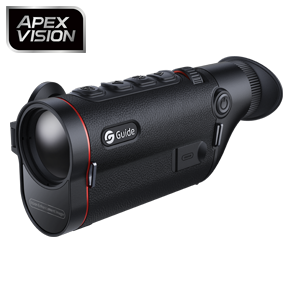
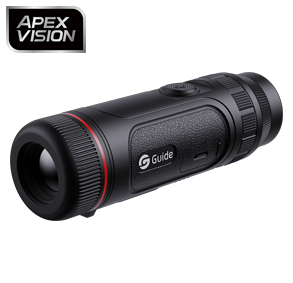
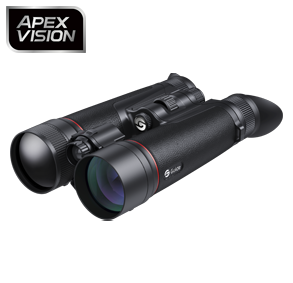
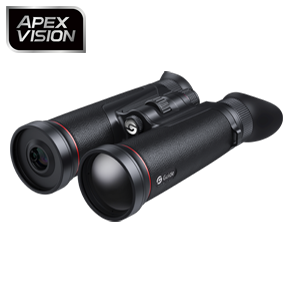
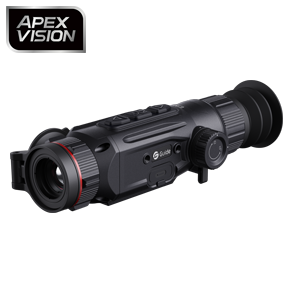
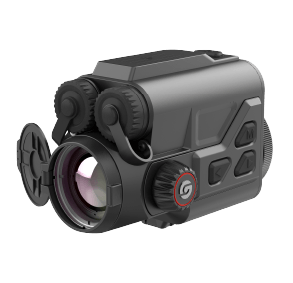
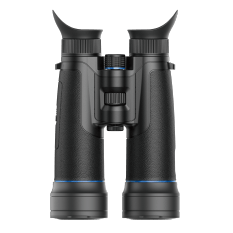
This is why uncooled thermal sensors for hunting are commonly used in handheld thermal monoculars, binoculars, and other outdoor imaging equipment.
Uncooled vs. Cooled Thermal Sensors: What’s the Difference?
Many hunters wonder whether they should choose a cooled or an uncooled thermal sensor.
The biggest difference lies in how they operate.
Cooled thermal sensors use an internal cooling system to lower the sensor's temperature. This can provide exceptional sensitivity and long-range detection capabilities, making them suitable for military, scientific, and professional surveillance applications.
In contrast, uncooled thermal sensors work at normal operating temperatures. Without a cooling system, they are smaller, lighter, quieter, and easier to maintain.
For most hunting scenarios, uncooled thermal sensors strike an excellent balance between image quality, portability, battery life, and cost. They allow hunters to move easily through forests, fields, and mountains without carrying bulky equipment.
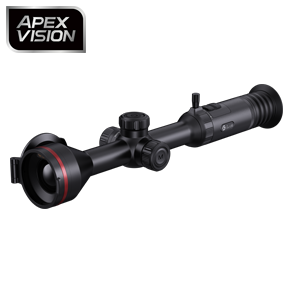
For this reason, most modern thermal monoculars, thermal scopes, and thermal binoculars for hunting use uncooled infrared sensor technology.
How Do Uncooled Infrared Sensors Work?
The working process is very simple.
First, infrared radiation enters the device through the thermal imaging lens. The sensor captures this energy and converts it into electrical signals.
The sensor consists of numerous tiny sensing elements (or pixels). Each pixel responds to infrared energy from a specific area of the scene.
When an animal's temperature is warmer or cooler than its surroundings, the sensor detects this temperature difference. The system then processes the signal and converts it into a thermal image on the display.
In short:
Heat → Infrared radiation → Sensor response → Image processing → Thermal image
This enables hunters to see temperature differences that may not be visible to the naked eye.
Why Thermal Contrast Is Crucial for Hunting
Uncooled infrared sensors do more than simply "see" animals; they detect differences in infrared energy.
This is precisely why thermal contrast is important.
For example, animals with higher body temperatures will exhibit significant thermal features when placed against a background of cooler grassland or soil. A larger temperature difference generally makes the target easier to detect.
However, if the animal's temperature is close to that of its surroundings, the contrast in the thermal image may be reduced.
This means thermal performance depends on both the sensor and the hunting environment.
Why Hunters Use Thermal Sensors at Night
A key advantage of uncooled infrared sensors is that they do not rely on visible light.
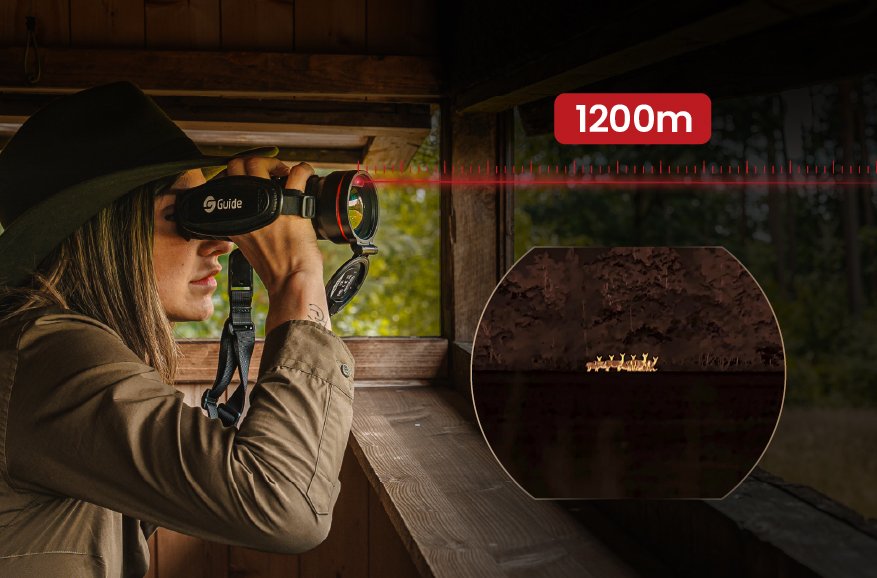
Thermal imaging devices can detect heat signatures in complete darkness, making them useful for nighttime and early morning hunting.
It also helps hunters spot animals that are difficult to see in shadows or limited light conditions.
Thermal imaging technology proves particularly useful for night hunting when traditional optical equipment fails to provide enough visual contrast.
Hunters must strictly adhere to local laws and regulations when using thermal imaging equipment.
How Weather Affects Thermal Imaging
Thermal imaging is not completely unaffected by weather.
Fog, rain, humidity, and temperature changes can all influence thermal performance.
Heavy rain or dense fog may reduce effective observation distance. Similarly, when the animal and background have similar temperatures, thermal contrast can become weaker.
Understanding these conditions helps hunters set realistic expectations when using uncooled infrared sensors for hunting.
Key Benefits for Hunters
Uncooled infrared sensors offer several practical advantages for outdoor use:
Compact Design
Eliminating the need for complex cooling systems allows thermal imaging devices to be made smaller and more portable.
Efficient Power Consumption
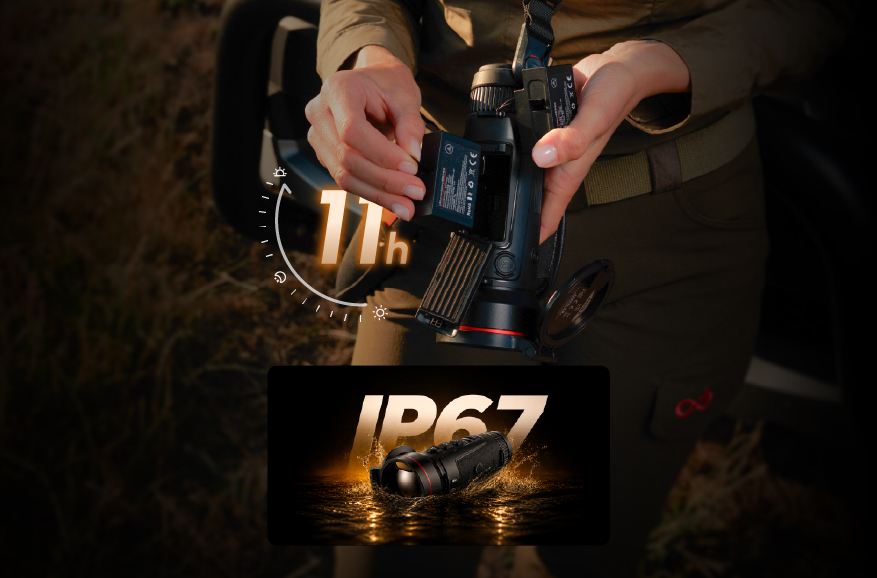
The simpler design is suitable for battery-powered handheld thermal equipment.
Quick Operation
Uncooled thermal imaging devices do not require a lengthy cooling process before use.
Easy to Carry
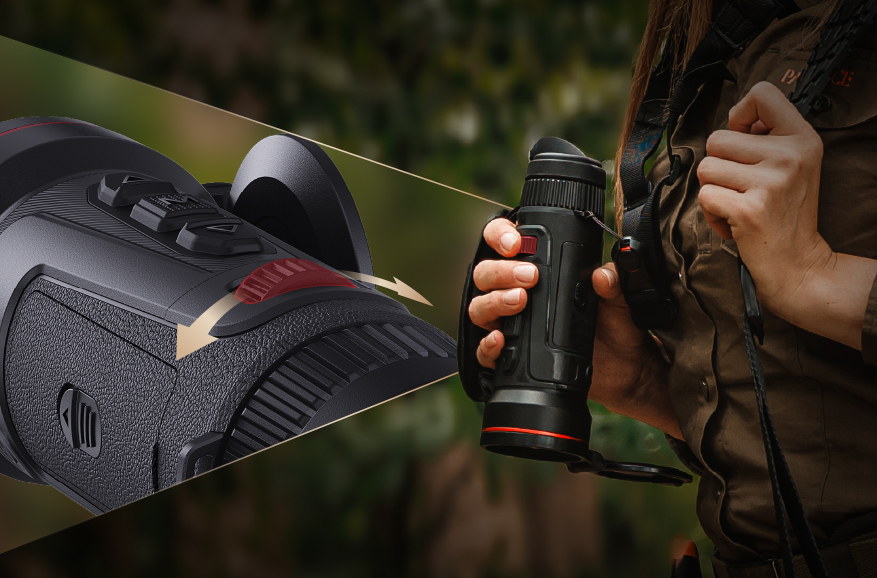
Its compact design makes it suitable for handheld thermal imaging monoculars and other hunting equipment.
These advantages make uncooled thermal imaging technology a practical choice for hunters who need mobility and fast observation.
What Factors Should Hunters Consider?
While sensor technology is certainly important, hunters should also take into account factors such as resolution, lens design, image processing, detection range, battery life, and weight.
For instance, higher resolution yields richer image detail, while a well-suited lens enhances viewing performance across various distances.
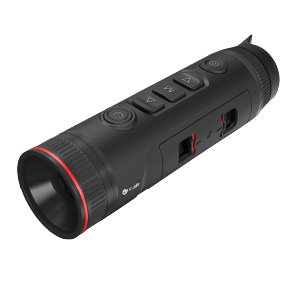
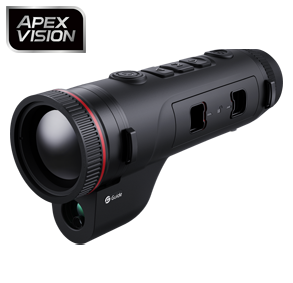
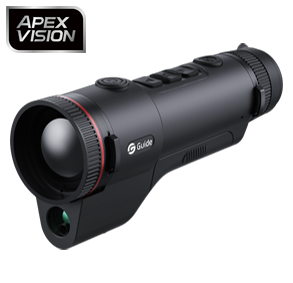
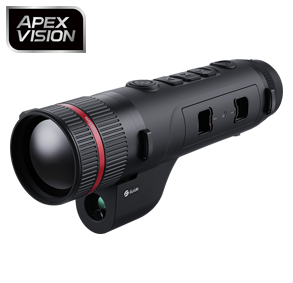
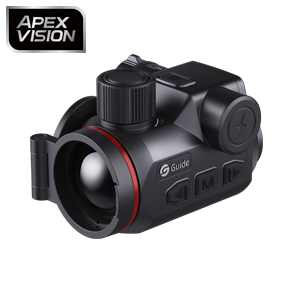
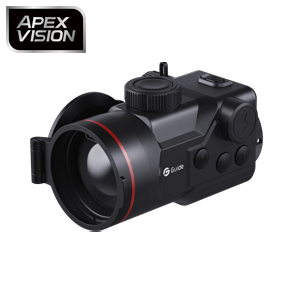
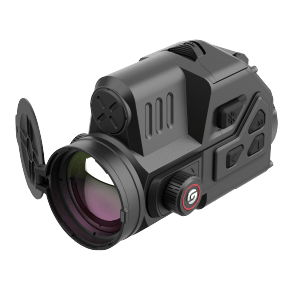
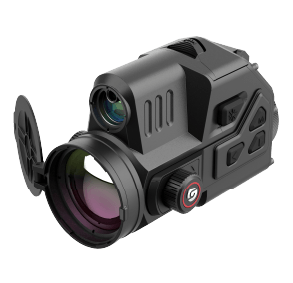
Guide Outdoor provides thermal imaging solutions for outdoor and hunting applications, combining thermal sensor technology with practical designs for field observation.
Conclusion
The uncooled infrared sensor working principle is based on detecting infrared radiation and converting differences in thermal energy into an image.
This technology offers significant advantages for hunters: it reveals thermal signatures even when visible light is limited or completely absent.
Thanks to their compact design, reasonable power consumption, and ease of use, uncooled sensors are ideally suited for handheld thermal imaging devices used in hunting and outdoor observation.












.png)

.png)
