
.png)
.png)
.png)





How Far Can a Handheld Thermal Imaging Monocular See at Night
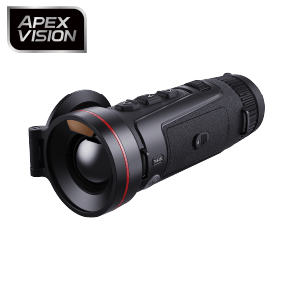
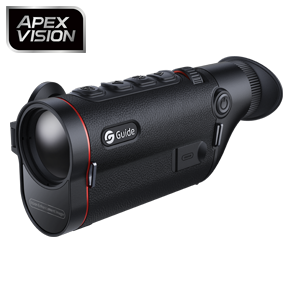
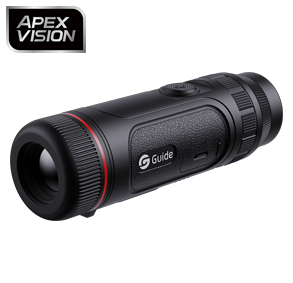
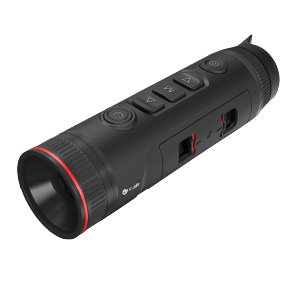
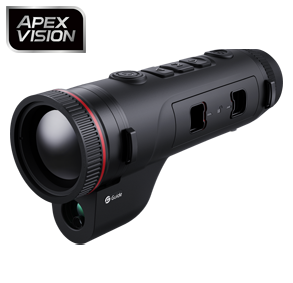
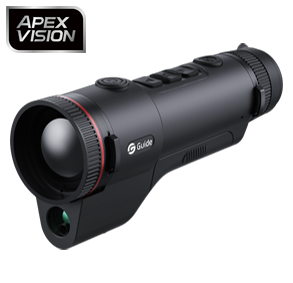
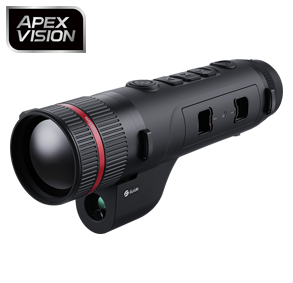
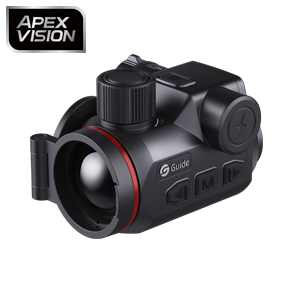
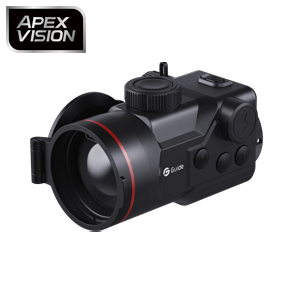
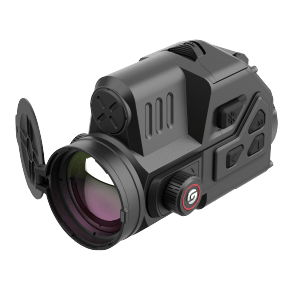
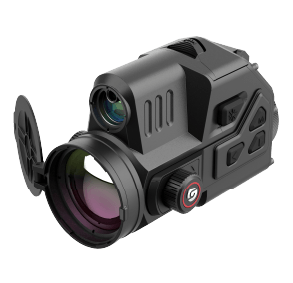
For hunters seeking better visibility in low-light environments, handheld thermal imaging monoculars are increasingly becoming an essential tool. Unlike traditional optical devices that rely on visible light, thermal imaging monoculars detect temperature differences between animals and their surroundings, enabling hunters to observe targets even in complete darkness.
One of the most common questions hunters ask is: How far can a handheld thermal imaging monocular see at night?
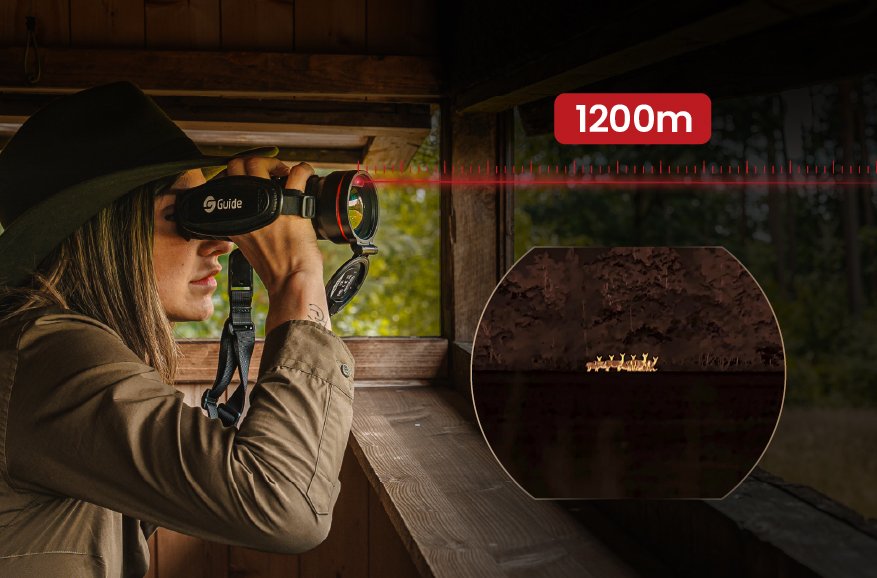
The answer depends on several factors, including sensor resolution, lens size, weather conditions, target size, and temperature differences. Understanding these factors helps hunters choose the right thermal imaging monocular and get better performance in real hunting situations. Typical handheld thermal monoculars can detect human-sized targets from hundreds of meters away, while high-performance models with larger lenses and higher-resolution sensors can achieve longer detection distances.
Detection Range vs Identification Range
Understanding the difference between detection and identification range is crucial when discussing thermal imaging range.
Detection range refers to the distance at which a thermal imaging monocular can detect a heat source, such as detecting the presence of nearby animals.
Identification range refers to the distance at which a user can clearly recognize what a target is, such as distinguishing a deer from another animal.
While a thermal monocular might detect a target at a greater distance, identifying specific details usually requires higher image quality and better environmental conditions.
For hunters, clear identification is often more important than simply detecting a thermal signature.
How Resolution Affects Thermal Detection Range
Sensor resolution is a key factor affecting the observation range of handheld thermal imaging monoculars.
Sensors with higher resolution capture more thermal detail and provide clearer images at greater distances.
Common thermal imaging resolutions include:
l 256×192
l 384×288
l 400×300
l 640×512
Lower-resolution thermal monoculars are suitable for short- and medium-range observation, while high-resolution models are more suited for hunters who require better detail in open areas.
However, resolution is not the only factor; lens performance and image processing technology also affect the overall viewing experience.
How Lens Size Affects Thermal Performance
The lens is another important factor influencing thermal imaging detection capabilities.
Larger lenses capture more infrared energy, enabling the device to detect weaker heat signals at greater distances.
Different hunting environments require different lens designs. Long-range observation may be advantageous in open fields, while a wider Field of View might be required for scanning large areas in forested environments.
Actual observation range depends on the combination of sensor performance and lens capability.
Weather and Environmental Conditions Affect Detection Range
Although thermal imaging devices work well at night, weather conditions can still influence their performance.
Fog, rain, humidity, and temperature changes can reduce the effective viewing distance of a thermal monocular.
On clear nights, animals usually have a stronger temperature difference from the environment, making them easier to detect.
However, when the target and background have similar temperatures, the contrast of the thermal image may decrease, making identification more difficult.
The environment also matters. Open areas usually provide better conditions for long-range detection, whereas dense vegetation may block heat signals.
Why Detection Distance Isn't the Only Factor to Consider
When purchasing a thermal monocular, many hunters focus primarily on maximum detection distance. However, a longer detection range does not necessarily equate to superior performance.
While a device might detect a heat source from a great distance, clearly identifying the target requires good image quality and enough details.
Real-world hunting performance also depends on the following factors:
l Image clarity
l Target recognition ability
l Response speed
l Ease of use
A thermal monocular with balanced performance is often more practical than a model chosen solely for its maximum detection range. Experienced hunters often learn that quickly identifying an animal is more valuable than simply detecting a heat signature. A balanced thermal monocular allows users to spend less time confirming targets and more time making informed decisions in the field.
How to Improve the Performance of Thermal Imaging Monoculars
Hunters can improve their thermal imaging observation experience by paying attention to several details.
Keeping the lens clean helps maintain image quality. Selecting the right observation environment also enhances performance, as open areas usually provide better thermal visibility than dense forests.
Understanding weather conditions and adjusting image settings to suit the environment helps hunters get clearer thermal images.
Guide Outdoor provides thermal imaging solutions specifically designed for outdoor enthusiasts and hunters. With advanced thermal imaging technology and practical designs, Guide Outdoor helps users improve visibility in different hunting environments.
Conclusion
So, just how far can a handheld thermal imaging monocular see at night?
There is no single answer to this question, as viewing range depends on factors such as resolution, lens size, weather conditions, target size, and temperature differences.
High-quality thermal imaging monoculars can help hunters detect animals in complete darkness, but it is crucial to understand the difference between detection range and identification range.
By selecting the right equipment and understanding the factors that affect thermal imaging performance, hunters can use handheld thermal imaging monoculars more effectively, resulting in a superior outdoor observation experience.












.png)

.png)
