
.png)
.png)
.png)






Digital Night Vision Binocular vs Thermal Binocular: Which to Pick
Choosing between digital night vision binoculars and thermal binoculars can be confusing for hunters. Although both devices are designed for observation in low-light conditions, they work in very different ways.
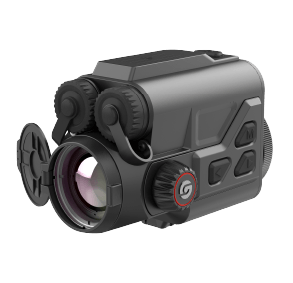
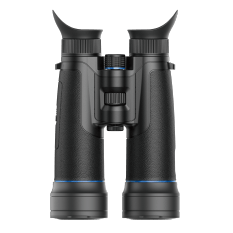
Digital night vision binoculars use available light such as moonlight or starlight, converting them into brighter digital images; while thermal binoculars detect the heat emitted by animals and convert temperature differences into thermal images.
Price is also a key factor. Digital night vision binoculars are generally more affordable, while thermal imaging binoculars, due to their use of thermal imaging sensors and imaging technology, are often more expensive.
So, which type should you choose? It depends on your observation targets, hunting location, and budget.
Digital Night Vision vs. Thermal Binoculars: Key Differences
The easiest way to understand the difference is to compare the main features.
Comparison | Digital Night Vision Binoculars | Thermal Binoculars |
Working Principle | Uses available light and digital sensors | Detects infrared heat energy |
Dark Environment Performance | May need IR illumination | Works without visible light |
Image Style | More natural-looking | Heat-based image |
Animal Detection Performance | Depends more on light and background | Strong in dark conditions |
Environmental Details Recognition | Usually easier to recognize | Less natural-looking |
Daytime Use | Many models support day/night use | Many models support day/night use |
Price | Usually more affordable | Usually more expensive |
Best For | Terrain and general night viewing | Hunting and wildlife detection |
In short, digital night vision technology is designed to help you see a scene clearly, whereas thermal imaging technology is designed to help you detect heat sources.
Digital Night Vision vs. Thermal Imaging: Which Is More Cost-Effective?
Price is often a key factor influencing the final buying decision.
Digital night vision binoculars are generally more affordable. They use digital image sensors to capture available light, making them a practical and economical choice for those who mainly hunt under moonlight or other low-light conditions.
Thermal hunting binoculars usually cost more due to the specialized thermal sensors and imaging systems they employ. Higher-resolution sensors and superior optical components can increase the price even further.
However, a higher price does not automatically mean that thermal binoculars are the better choice.
If you mainly need is to observe paths, trees, fences, and animals in low-light environments, digital night vision devices may offer better value for your budget.
If your main goal is to quickly spot animals in very dark environments, the extra cost of thermal imaging may be worthwhile.
Which Type of Device is Better Suited For Spotting Animals?
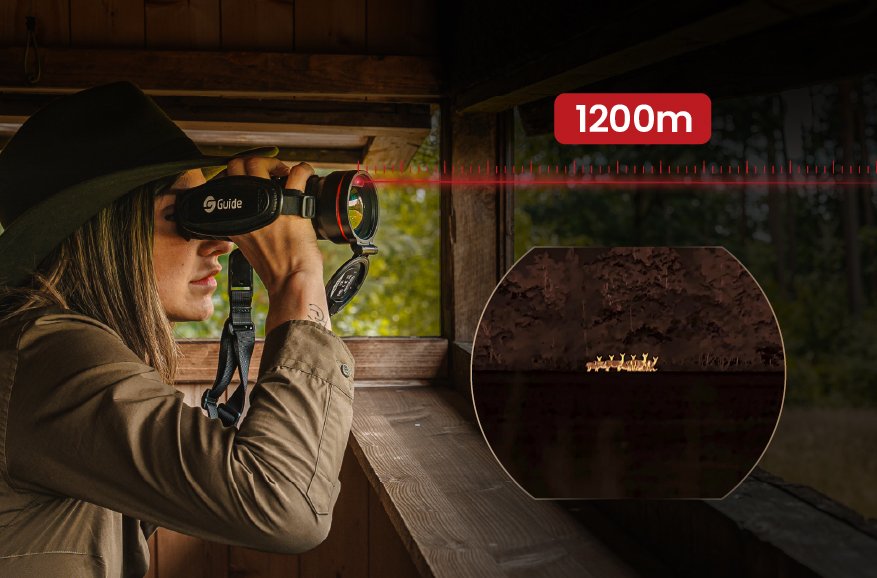
If the primary goal is simply to detect a target, thermal imaging binoculars often have an advantage.
Since animals emit heat, hunters can locate their thermal signatures without relying on strong ambient light.
Digital night-vision devices provide clearer, more distinguishable environmental details; however, in low-light conditions or when an animal's coloration closely matches its surroundings, the animal may blend into the background and prove difficult to spot.
Thermal imaging changes the way hunters search. Instead of looking for the shape or color of an animal, they can first look for a heat signature and then examine the target more closely.
Which Type of Device Produces a More Natural Image?
This is where digital night vision can have an advantage.
Digital night vision binoculars show objects in a way that aligns more closely with our everyday visual experience. Hunters may find it easier to understand terrain, vegetation, fences, and other physical details.
This characteristic is particularly useful when navigating or maintaining situational awareness.
Thermal imaging is different. It shows temperature differences rather than normal colors, so first-time users may need some practice to understand what they are seeing.
For hunters who value familiar views and visible details, digital night vision devices are a highly attractive option.
What About Completely Dark Conditions?
Thermal imaging binoculars offer a distinct practical advantage in extremely low-light conditions, as they detect heat sources without the need for visible light.
Digital night vision performance can decline in extremely dark environments. While infrared illuminators can provide assistance, they also add complexity to the equipment setup.
For hunters who frequently engage in outdoor activities after sunset and wish to detect warm animals in the dark, thermal imaging binoculars are often the more flexible choice.
Which Equipment is Best Suited for Different Hunting Areas?
The hunting environment also matters.
Digital night vision binoculars are highly practical in open areas with ample moonlight or other ambient light; they are also invaluable when hunters want to study the surrounding terrain in greater visual detail.
Thermal imaging binoculars are particularly effective in areas where animals may blend into the background, such as fields, brush, and woodland edges.
Neither technology is perfect for every situation. The best choice depends on whether your primary goal is to observe the environment or to detect heat-emitting animals.
Considering Detection and Identification Separately
Hunters should also understand the difference between detection and identification.
Thermal imaging makes it easier to detect the presence of a target due to its distinct thermal signature; however, identifying exactly what the object is may require enough image detail and the right viewing distance.
Digital night vision may provide more familiar visual information for identification when lighting conditions are good.
Therefore, when comparing these two technologies, factors such as sensor resolution, lens size, image quality, and optical performance are important considerations.
Which One Should Hunters Pick?
Choose digital night vision binoculars if you mainly want:
l A more natural-looking image
l Clearer visual understanding of the terrain
l Day and night versatility
l Detailed views when enough light is available
l Want a more affordable option
Choose thermal imaging binoculars if you mainly want:
l Faster detection of animals
l Nighttime observation without visible light
l Easier detection of warm animals against a cooler background
l A dedicated tool for locating wildlife
l Are willing to spend more for better heat detection
For hunters who frequently hunt at night and prioritize spotting animals, thermal imaging binoculars are often the ideal choice. However, for hunters who want a traditional viewing experience while also needing digital night-vision capabilities, digital night vision binoculars can be a practical alternative.
Conclusion
Digital night vision binoculars and thermal binoculars solve different problems.
Digital night vision devices are better suited for hunters who prefer to observe their surroundings in a familiar way and make use of available light. Thermal binoculars, on the other hand, focus on detecting heat signatures, making them exceptionally effective for detecting animals in dark environments.
There is no absolutely best choice for every hunter. Before buying, consider factors such as budget, hunting environment, expected lighting conditions, target detection needs, image detail, and specific usage scenarios.
For dedicated nighttime wildlife observation and hunting, thermal binoculars can provide a major advantage. For hunters who want more natural scenery and flexible day-and-night viewing, digital night vision binoculars may be the better fit.












.png)

.png)
