


.png)
.png)
.png)





Coyote Night Hunting Tips With 640 Thermal Monocular
Hunting coyotes at night requires more than simply having a good optic. Coyotes are naturally alert, cautious, and unpredictable; they may approach quietly, make sudden turns, or stay along the edges of fields instead of moving through open ground.
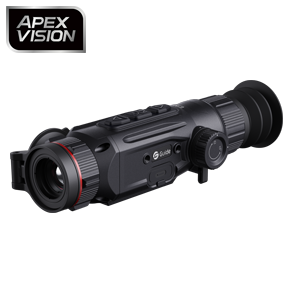
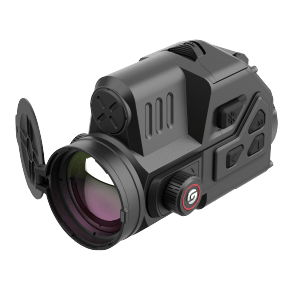
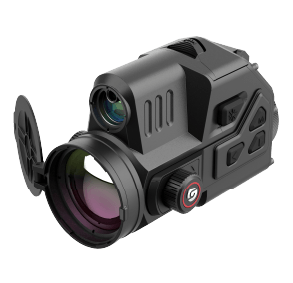
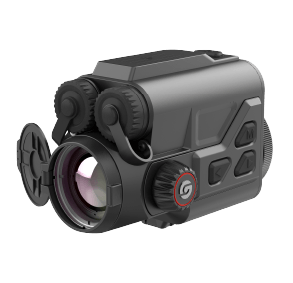
Using a 640 thermal imaging monocular offers hunters a useful advantage, making it easier to monitor vast areas and detect animal movements in darkness. However, getting the most from a thermal monocular depends on how it is used.
Here are practical coyote night hunting tips with a 640 thermal monocular that focus on field observation and tracking.
Why Coyotes Are Difficult to Hunt at Night
Coyotes are highly alert animals. Possessing keen hearing and a sharp sense of smell, they can quickly change their behavior in response to sudden movements or unnecessary noises.
They also do not always follow the same route. A coyote may travel along a field edge one night and use a trail or ridge the next.
This makes it difficult to depend on one fixed observation point.
Thermal imaging monoculars allow hunters to monitor these constantly changing areas without having to move around frequently. Instead of being locked onto one specific spot, hunters can observe potential travel routes and scan for movement before deciding where to focus their attention.
Use a 640 Thermal Monocular Before Calling
An effective approach is to scan the surrounding area before using a predator call.
Hunters can quietly observe the terrain to check for any coyotes active nearby. This can help prevent unnecessary calling when an animal is already moving through the area.
In this scenario, a thermal imaging monocular with 640 resolution is highly beneficial, as its high-resolution image reveals more detail when observing open terrain, field edges, and distant movement.
Rather than rushing to scan, a 640 thermal monocular helps hunters make better decisions by providing a clear picture of the environment before they act.
What’s the Correct Way to Spot Moving Coyotes at Night
Coyotes often use natural features and landscape characteristics when moving between areas.
Field edges, fence lines, ridges, dry riverbeds, and narrow openings can all serve as travel routes. Focus your attention on these areas when hunting at night.
Instead of looking aimlessly across the entire area, a hunter can divide the terrain into sections and focus on monitoring the travel corridors where animals are likely to pass.
A moving coyote may initially appear as a small heat source. With a 640 thermal monocular for coyote hunting, the additional image detail can make it easier to follow movement and determine the direction the animal is traveling.
Observing the direction of movement is often far more valuable than simply detecting the presence of a heat source.
How to Tell If You're Tracking One Coyote or a Pack
Another useful skill is learning to determine whether there is one coyote or more than one in the area.
A second coyote may trail the first, keeping a distance of several yards behind. If a hunter focuses only on the first heat signature, they may overlook another animal following the same route.
After spotting a coyote, do not immediately return to your original position; instead, scan the surrounding area again.
Look for further movement along the same trail, ridge, or field edge.
High-resolution thermal imaging makes it easier to separate nearby heat signatures and observe the spacing between animals.
Tracking a Coyote After It Stops
A moving coyote is often easier to spot than a stationary one.
When the animal stops, it may appear to disappear into the background, especially when it is partly hidden by grass or brush.
Instead of immediately lowering the thermal monocular, hunters should continue to observe the last known position.
Even subtle changes can reveal an animal's location. Slight shifts in head movement, body position, or visible heat signatures can confirm that a coyote is still in the same spot.
This is one situation where a 640 thermal monocular can be particularly useful because additional image detail allow hunters examine a small area more carefully and detect movement that might otherwise go unnoticed.
Use a Consistent Scanning Pattern
It is difficult to efficiently search large areas if you move the thermal imaging monocular randomly.
A simple scanning pattern can help.
Hunters can divide an open area into several sections and scan them sequentially. Another option is to scan along natural lines such as a fence, ridge, or field boundary.
After completing a scan, return to the areas where movement is most likely to occur.
Maintaining a consistent scanning method prevents you from repeatedly checking the same area while overlooking others entirely.
Knowing When to Stay Still with Thermal Imaging
While thermal imaging technology simplifies the process of observation, it cannot replace good hunting skills.
Coyotes are highly sensitive to movement, noise, and changes in their environment. Once a potential animal is detected, unnecessary movement can make the situation more difficult.
The wise approach is to first observe and identify the target animal and its movements before making a deliberate decision.
A thermal imaging monocular should be viewed as an observation tool rather than something that encourages constant movement.
Practice Makes Thermal Hunting Easier
Before using a 640 thermal monocular for nighttime coyote hunting, hunters should practice identifying different animals and objects.
Familiarize yourself with the thermal signatures of coyotes, deer, livestock, vegetation, and warm objects appear at different distances.
Practice tracking moving targets and returning to the same location after the animal stops.
These skills are difficult to develop during a single hunt. Regular practice allows you to interpret thermal imaging more easily, saving you from spending excessive time trying to identify what is on the screen.
Conclusion
Successful night coyote hunting depends not only on having a high-resolution thermal imaging device but also on understanding likely coyote travel routes and how to observe their movement.
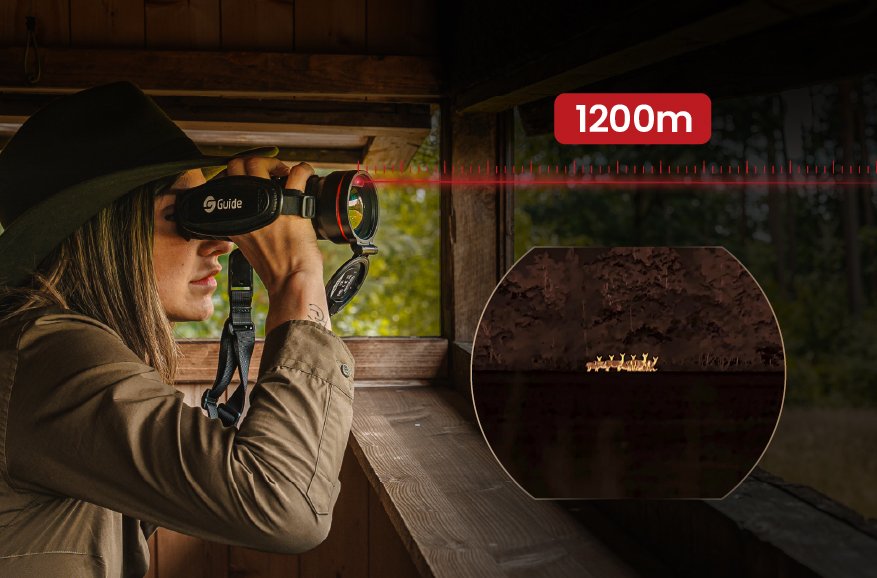
Using a thermal imaging monocular with 640-resolution allows hunters to scan large areas, detect movement earlier, identify multiple animals, and maintain observation even after the coyotes have stopped moving.
By scanning likely travel routes, checking the area before calling, employing systematic search patterns, and practicing target recognition, hunters can make more effective use of thermal imaging equipment for night coyote hunting.
When hunting coyotes, always ensure compliance with local hunting laws, seasons, and regulations.












.png)

.png)
